00:00:01
[Music]
00:00:08
[Music]
00:00:20
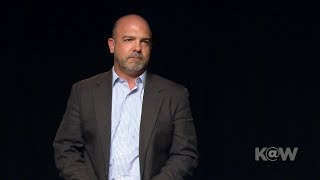
we're here today with Andrew mure
00:00:22
executive director of the Wilderness
00:00:24
Foundation Andrew thanks so much for
00:00:25
being with us today great well thank you
00:00:28
for having me um first of all we just
00:00:31
want to talk to you a little bit about
00:00:32
how did you become interested in this
00:00:33
field and how did you initially get
00:00:35
connected with the Wilderness Foundation
00:00:37
well um obviously as a young boy growing
00:00:41
up I had a great love for the outdoors I
00:00:44
don't think you can live in Africa and
00:00:48
not be moved by the Landscapes and the
00:00:51
Animals the wildlife and so that was my
00:00:55
initial attraction and then as time went
00:00:59
on I also also begun to realize that
00:01:02
perhaps this medium the um uh the
00:01:06
platform of of wildlife and nature and
00:01:09
our our reserves and and uh the
00:01:12
protected areas that we have that it
00:01:14
could also be a place where we can bring
00:01:17
people from different backgrounds
00:01:20
different walks of life and perhaps even
00:01:23
make a difference to some of the Social
00:01:26
Challenges that uh we have as a country
00:01:30
a continent and even as the globe mhm
00:01:35
and you were mentored by Wilderness
00:01:37
Foundation founder Dr Ian player for 13
00:01:39
years before taking on the executive
00:01:41
director role what were the most
00:01:42
important things that you learned from
00:01:43
his example or learn from
00:01:45
him um he is an extraordinary human
00:01:49
being and and I think that the important
00:01:52
part about a mentor is to really uh be
00:01:55
prepared to to really have a deep and uh
00:02:00
um honest relationship with your MN
00:02:04
people seem to uh not always um bear in
00:02:08
mind that a mentorship is a two-way
00:02:10
process it's not just um a one-way
00:02:13
process and um Ian was so easy about it
00:02:17
he uh he he was very um open to Bear all
00:02:22
and uh I learned a lot through through
00:02:25
areas where he had made mistakes as much
00:02:28
as I learned from his greatness I mean
00:02:30
he's one of the world leaders in
00:02:33
conservation he's very much the John M
00:02:36
of the modern time globally um he saved
00:02:40
the White Rhino from Extinction and yet
00:02:42
he has this ability to be incredibly
00:02:45
human so I leared a huge amount through
00:02:49
his humanness and uh uh that I think uh
00:02:53
tells you a lot about the men MH now
00:02:56
what would your advice be I mean Mentor
00:02:57
finding a mentor seems to be sort of
00:02:59
some of the top advice that is given to
00:03:01
I mean young people or really anyone
00:03:03
today in terms of getting getting the
00:03:05
career you want or moving forward with
00:03:07
the career that you want I mean what
00:03:08
would your advice be to people in terms
00:03:09
of finding the right Mentor finding the
00:03:11
right match and just seeking out people
00:03:13
who maybe you would like to Mentor you
00:03:16
well first of all all the programs that
00:03:18
I've started and begun I encourage the
00:03:21
mentorship uh in all the programs that
00:03:24
we have I don't think you can ever be
00:03:26
too young or too old uh to have the
00:03:30
mentorship I think we should see it as a
00:03:33
a value added and as a huge positive and
00:03:36
and a plus there's just absolutely no
00:03:40
negativity in it at all um so what I
00:03:43
would advise with finding a mentor is
00:03:45
you really want someone who you uh have
00:03:49
respectful uh that's important it's
00:03:52
critical that there's a natural respect
00:03:55
between the mentor and and the mentee
00:03:59
trust is is earned you don't necessarily
00:04:01
know immediately whether that trust
00:04:05
relationship would be there but I think
00:04:07
if you respect the individual it's it's
00:04:10
fairly natural that trust will follow um
00:04:15
and really the uh the chemistry that
00:04:19
exists between the two really creates
00:04:22
the depth of the mentorship and the
00:04:24
impact that it will have mentors need to
00:04:27
have the time uh it is a commitment uh
00:04:30
it's not just something you can commit
00:04:33
to easily you you need to have um a
00:04:38
fairly descriptive um understanding
00:04:42
between the two parties of what the the
00:04:45
process will be what your goals are
00:04:47
going to be how often you're going to
00:04:50
meet and then before you begin the
00:04:52
mentorship both parties need to agree to
00:04:56
the the commitment the whole um facet of
00:05:00
mentorship it's not a onewe process I
00:05:02
would encourage at least a year
00:05:05
commitment by both parties and then it
00:05:09
can only be a positive um often life
00:05:12
changing
00:05:14
event now um getting back to the
00:05:16
Wilderness Foundation what has been the
00:05:18
philosophy I mean the group's the
00:05:19
mission has really evolved over the
00:05:21
years to you know going from
00:05:23
conservation and expanding to include
00:05:25
initiatives related to Youth and
00:05:27
education programs and leadership
00:05:28
programs I me what is the philosophy
00:05:30
behind expanding the mission and how do
00:05:31
you see all of these things as kind of
00:05:33
fitting together what are the kind of
00:05:34
the through lines that connect
00:05:36
everything well I you know I just don't
00:05:39
believe in the modern world that you can
00:05:43
do a conservation uh particularly in
00:05:47
Africa without taking into account all
00:05:50
the aspects that are affecting Society
00:05:53
at the time um environment is very about
00:05:57
very much about people and environment
00:06:00
is very much about the human impact on
00:06:04
environmental issues so if you don't
00:06:06
embrace your neighbors to the parks if
00:06:08
you don't embrace your leaders of the
00:06:11
future if you don't if you don't create
00:06:14
custodian ship and ambassadors for the
00:06:18
parks for wildlife for Rhino for
00:06:21
whatever it is you're trying to protect
00:06:23
as a so-called game Ranger how do you
00:06:26
expect that one's going to
00:06:30
protect these natural resources into the
00:06:33
future so that's very much the
00:06:35
philosopher uh the philosophy behind the
00:06:38
Wilderness Foundation that we have to be
00:06:40
about environment and people we need to
00:06:43
bring the people element in in order to
00:06:45
create custodians and ambassadors for
00:06:49
the future so we need to create programs
00:06:52
which are geared at the various
00:06:55
interests and affected parties and
00:06:58
groups that would would enable them to
00:07:00
have the best possible understanding and
00:07:03
impact with the environment that then
00:07:06
would lead back to to what they do
00:07:09
whether they're Farmers whether they
00:07:12
Community people living on the outside
00:07:14
of these reserves whether they are
00:07:17
politicians or AC or academics the
00:07:19
programs need to be Geared for the
00:07:21
target market that you are talking to
00:07:24
but our belief is that it really is uh
00:07:28
this view of reach ing out to different
00:07:31
leadership groups leaders are within
00:07:34
your communities leaders are within your
00:07:37
academics leaders are within your media
00:07:40
your business your political and that is
00:07:43
what we do we create programs that reach
00:07:45
out to all these different Target groups
00:07:48
that will give them a personal and
00:07:51
direct experience with nature that is
00:07:54
relevant to where they come from or what
00:07:58
they do that they can then apply back
00:08:01
into whatever business or um or work
00:08:06
that they are involved in that's how we
00:08:09
create a future I believe for the
00:08:12
environment on this planet there's no
00:08:13
point me talking to the converted that's
00:08:16
easy it's easy for me to talk in front
00:08:19
of a bunch of Greenies we can you have a
00:08:22
good whiskey afterwards and we can all
00:08:24
talk the same it's another thing trying
00:08:27
to talk to a group that AR quite short
00:08:29
about this environmental thing and about
00:08:32
these issues that are facing us uh not
00:08:35
just as a as a human species but also as
00:08:39
a planet as a
00:08:41
whole now how does your organization how
00:08:43
do you identify and strategize for the
00:08:45
different projects you take on and then
00:08:47
what kind of measures do you use to
00:08:48
determine whether something is to
00:08:50
measure
00:08:51
success that's that's a good question
00:08:54
and and I think again one always needs
00:08:56
to with these kind of questions
00:08:59
understand and the context and the
00:09:01
working environment So within South
00:09:04
Africa it's a very Dynamic moving um um
00:09:08
picture we have huge Social Challenges
00:09:12
such as HIV AIDS and so obviously the
00:09:16
first template with the planning is is
00:09:19
we all develop programs around the
00:09:21
current issues facing the country
00:09:23
because that's where you're going to get
00:09:25
attraction and that's where you're going
00:09:27
to get support partnership funding and
00:09:31
hopefully where where people will then
00:09:34
take these programs seriously because
00:09:36
they can be fairly easily mainstreamed
00:09:40
um so that immediately means that your
00:09:43
planning process uh uh has to be fairly
00:09:47
dynamic because these issues are
00:09:49
evolving the whole time um and uh and
00:09:52
and yet fairly generic as well uh
00:09:56
because obviously we talking to
00:09:58
different Target markets and groups the
00:10:00
whole time around these various issues
00:10:03
so if we take HIV AIDS as a example um
00:10:07
AIDS affects everything uh uh from a
00:10:10
conservation perspective uh 3% of our
00:10:14
work force uh in conservation areas in
00:10:18
our country die each year due to AIDS so
00:10:22
you can imagine if it takes five years
00:10:25
to train a ranger uh uh in one year we
00:10:29
could lose as a country a substantial
00:10:33
portion of that Workforce in terms of
00:10:35
the training and investment made in it
00:10:38
never mind the social impact and the
00:10:41
devastation that uh that causes on on
00:10:44
the ground in the communities and where
00:10:47
those people work so clearly any impact
00:10:50
we can have to a reduce the number of
00:10:53
people being affected uh with AIDS any
00:10:59
impact we can have in reducing the
00:11:01
number of people that die and any impact
00:11:05
that we can have in making the
00:11:07
communities far more aware of all these
00:11:10
processes coming in only makes
00:11:13
conservation better off but also gives
00:11:15
them a perspective that we care because
00:11:17
we do and therefore we don't just care
00:11:20
about the wildlife we don't just care
00:11:22
about our natural resources but we care
00:11:24
about all living things and and this is
00:11:28
the messages that we try and give So
00:11:29
within the strategic planning it's
00:11:32
really a holistic approach and it's
00:11:35
really about developing programs that
00:11:37
have a meaningful impact on the ground
00:11:40
there's no point developing a program
00:11:42
that looks great at a university or
00:11:44
great in a book or on a paper we have to
00:11:48
test it and we need to Benchmark it
00:11:50
against the realities of the situations
00:11:53
that we're dealing with and can you
00:11:56
recall a time when an indiv when an
00:11:57
initiative didn't work well or wasn't
00:11:59
working out well and what did you take
00:12:01
away from that or how did you kind of
00:12:03
pivot and restructure it to work
00:12:06
differently well I I I um I remember
00:12:11
back in uh
00:12:13
19095 um our country was just moving uh
00:12:17
uh into democracy we had just had our
00:12:21
our elections we just had the new
00:12:24
government in power but one of the
00:12:27
challenges that we had was that uh
00:12:30
Believe It or Not
00:12:32
92% of the population of the country at
00:12:35
that time had never been into a park a
00:12:38
reserve into a
00:12:41
natural area now that's very hard to
00:12:43
believe when you're talking about a
00:12:44
country of South Africa that is endowed
00:12:47
with natural beauty but that was one of
00:12:49
the legacies of aparte there was a piece
00:12:52
of legislation which pres which
00:12:55
prevented black South Africans from
00:12:59
experiencing large parts of of the
00:13:02
country um and so we immediately had
00:13:05
this Legacy issue to deal with and so
00:13:07
one of the programs that we started was
00:13:10
a program that would take um young
00:13:13
people up the mountains of you know
00:13:15
Table Mountain and into these
00:13:19
natural areas so all almost create um
00:13:22
black hiking clubs on a mass-based uh uh
00:13:26
um process to get as many people safely
00:13:30
in and out of of these natural areas um
00:13:34
that was the idea I had two challenges
00:13:36
first of all to raise and find a way to
00:13:38
get the funding for these kind of
00:13:41
programs and then the second challenge
00:13:42
was was how to do it the mistake I made
00:13:46
was that when we designed the program we
00:13:49
thought well I'll just find a whole lot
00:13:50
of Environmental Education officers uh
00:13:53
and they would take these uh young
00:13:56
people into the mountain where I made
00:13:59
the mistake was that that that I was
00:14:02
dealing still with the legacy of aparte
00:14:06
and a lot of these black youth did not
00:14:07
want to go with white men or white women
00:14:12
uh who were the trained environmental Ed
00:14:14
education officers so I then had to
00:14:16
change the whole thinking and planning
00:14:19
around the program and the solution that
00:14:22
we found is we created a volunteer youth
00:14:26
leadership program where we trained
00:14:29
youth leaders from the very townships to
00:14:32
be the guides we actually gave them
00:14:35
guide training we taught them how to
00:14:37
guide and then we made the program their
00:14:40
program and they then guided tens of
00:14:42
thousands of Youth over the years up
00:14:45
Table Mountain in this instance so it's
00:14:48
it's a program that still operates still
00:14:51
works but is led by black youth
00:14:54
volunteers for black youth from the
00:14:56
townships very strong
00:14:59
mentorship very strong you can just
00:15:02
imagine that the teaching and the impact
00:15:05
is so powerful because the youth can
00:15:08
identify with the teachers and the
00:15:10
medium so there's an example of a
00:15:13
problem and and hopefully a solution
00:15:14
which has worked now how has I mean how
00:15:18
have like issues related to apartheid I
00:15:19
mean how has that the way that they have
00:15:22
impacted various programs that you do I
00:15:24
mean how has that evolved over the years
00:15:26
like I mean obviously they haven't gone
00:15:27
it hasn't gone away
00:15:29
but I would think that you know as you
00:15:31
so the time the time goes on that it
00:15:33
sort of evolves in the way that it
00:15:34
impacts the country and impacts
00:15:35
individual people and individual
00:15:37
programs so I mean have you have you
00:15:38
seen that or yeah I think I think you
00:15:41
know it's really um related
00:15:44
to uh this um the people being able to
00:15:50
really
00:15:52
see the program for what it is or see
00:15:55
the impact that you're trying to give
00:15:57
for what it is see the the genu of what
00:16:00
it is that you're trying to do um and
00:16:04
and and then bind into to that I mean I
00:16:06
think to use a analogy I mean in in
00:16:09
America you know the it's quite obvious
00:16:12
that the Civil War although it was you
00:16:15
know a long long long time ago there's
00:16:17
still exactly residual um aparte that
00:16:21
residual would be around for generations
00:16:23
and generations to come and rightly so
00:16:28
and you know we must never forget what
00:16:31
happened never ever and so we need to
00:16:34
have that but at the same time we need
00:16:36
to develop programs that people can see
00:16:41
that they are genuine they can impact on
00:16:43
them they can be part of them they see
00:16:47
it for what it is is when you hide
00:16:48
things or when you try and uh create
00:16:52
programs without communicating what it
00:16:55
is that you're trying to achieve that's
00:16:57
when I think some of of the legacies of
00:16:59
the Past come on why are you hiding this
00:17:01
why are you not telling us the whole
00:17:03
thing why are you why are you keeping
00:17:05
this or keeping that so it's just being
00:17:08
transparent uh in what you do and people
00:17:11
see that and they accept that I think
00:17:14
also in the South African story um there
00:17:17
are now millions and millions of young
00:17:21
South Africans who we call the born
00:17:24
frees including my two children they
00:17:27
were born in a area where there was no
00:17:29
aparte they were born post uh post 94 um
00:17:34
and um Millions um I think about six
00:17:38
million of them will have the
00:17:40
opportunity to now vote for the first
00:17:43
time V vote as the first population
00:17:47
group or or group that can vote in a
00:17:51
time when when they weren't born in
00:17:54
apartheid and I think that's going to
00:17:56
have a very powerful Dynamic on the
00:17:57
future so we are talking to more
00:18:01
educated people that are more aware um
00:18:04
and I think it's really about
00:18:05
transparency about being open uh and
00:18:08
about ensuring that they buy into the
00:18:12
process and now I mean Africa as a
00:18:15
continent is really I mean and then
00:18:16
South Africa certainly as a country I
00:18:18
mean is undergoing a really a period of
00:18:20
you know dramatic growth and economic
00:18:21
development I mean what types of
00:18:23
opportunities do you feel like that
00:18:24
presents both for the region and for the
00:18:26
Wilderness Foundation but also I mean
00:18:28
what about the challenges related to
00:18:30
that well the yeah I mean with every
00:18:32
opportunity of course there are the
00:18:35
challenges so I mean I think I think the
00:18:37
opportunities are immense the the
00:18:40
opportunity in oil and gas um
00:18:43
exploration I think some of the greatest
00:18:46
uh um gas and oil fields in the last
00:18:50
decade have been found uh in and around
00:18:53
Africa uh uh the mineral um and natural
00:18:58
resource opportunity is huge uh the it
00:19:02
uh uh um and mobile Community
00:19:06
applications is equally um massive
00:19:09
industry that's growing um the
00:19:12
networking opportunities so those are
00:19:14
all the positives I mean I think
00:19:16
Africa's had a average economic growth
00:19:19
of five% in the last uh 10 years I mean
00:19:22
you know those are all very impressive
00:19:25
numbers the problem is that that uh that
00:19:29
we still have a very high level of um
00:19:33
educational challenges throughout Africa
00:19:35
we still have high levels of poverty and
00:19:39
Unemployment uh we still uh have issues
00:19:43
with that natural resource exploration
00:19:46
it's you know uh uh we need to make sure
00:19:49
that the policies and the laws and the
00:19:51
rule of law is adhered to in terms of
00:19:54
environmental legislation and ensuring
00:19:57
that that exper operation happens in a
00:20:00
in as sustainable way as one can have so
00:20:03
I think we must not make the mistakes
00:20:06
that if I may say countries like China
00:20:09
have made where they've got huge uh
00:20:12
environmental and ecological issues that
00:20:14
they're only now beginning to to address
00:20:18
um and we must not as Africa make that
00:20:22
same mistake where we go so fast in our
00:20:25
economic growth that we forget yet to do
00:20:29
what is right by the environment at the
00:20:31
same time as um as as as find the uh
00:20:37
economic opportunities for employment
00:20:39
and growth so the role of the Wilderness
00:20:42
Foundation U as a africa-wide NGO is
00:20:46
really to to be that voice hopefully of
00:20:50
reason to really help to guide the
00:20:53
governments to guide companies and
00:20:56
corporates and to to build up a um a
00:21:02
core of people who have that
00:21:05
environmental un understanding and that
00:21:08
can help to apply that as we keep going
00:21:11
through this um this area of of
00:21:14
tremendous growth and opportunity for
00:21:17
Africa we must remember that climate
00:21:20
change and global warming uh it's going
00:21:22
to and is probably going to affect
00:21:25
Africa um probably one of the worst of
00:21:28
all the continents and so that all also
00:21:31
needs to be be born in mind as we're
00:21:33
going through this huge opport this huge
00:21:35
period of growth so the role of civil
00:21:39
society is critical in the future
00:21:43
Democratic process of Africa as a whole
00:21:46
and also in terms of the future of
00:21:49
Africa as a positive
00:21:52
turnaround um story we need Civil
00:21:56
Society to be strong on all the those
00:21:58
areas of human rights of poverty
00:22:00
alleviation of environmental concern of
00:22:04
sustainable practice that needs to come
00:22:08
into the picture more and more and it's
00:22:10
through the
00:22:11
international pressure hopefully that
00:22:13
that will
00:22:14
happen and now getting back to um
00:22:17
leadership questions I mean what has
00:22:19
been your toughest leadership challenge
00:22:21
and how have you solved it um well I
00:22:25
need to look I think I think we you you
00:22:29
are a leader because you're there to
00:22:32
deal with the tough issues uh uh you
00:22:36
know the easy stuff tends to get handled
00:22:39
by other people you get the tough
00:22:43
questions and the challenges I think a
00:22:45
large uh portion of of leadership is
00:22:49
dealing with people and sort of human
00:22:53
resource related issues uh particularly
00:22:56
in NOS where we don't have the luxuries
00:22:59
of of having dedicated HR directors and
00:23:03
and support the chief Executives often
00:23:05
plays plays um a large role within the
00:23:09
non-govermental field in those kind of
00:23:12
issues but also you deal with a lot of
00:23:15
the risk um you deal with a lot of the
00:23:17
financial pressures and the and the uh
00:23:22
opportunities I guess the the um the
00:23:26
toughest decisions I've had
00:23:28
to take as a CEO is is see the landscape
00:23:33
of our country changing um uh realize
00:23:37
that social and environmental issues
00:23:40
cannot be separated realize that
00:23:44
historically I've inherited a
00:23:46
conservation organization not a social
00:23:49
organization realized to have a future
00:23:52
for this organization I need to embed
00:23:55
strong social philosophy and programs in
00:23:58
the organization and then convince
00:24:00
everyone around me that this is the
00:24:03
right thing to do and then lead the way
00:24:06
in implementing
00:24:08
it not not hard at all no just a day's
00:24:12
work right and what would your advice be
00:24:15
to somebody who a young person or
00:24:17
anybody that really wants to enter this
00:24:20
field um it's a wonderful field to enter
00:24:24
Because really what you are entering is
00:24:27
is really really um uh part of of of I
00:24:31
think the most noble cause that you can
00:24:34
be working for and that is for for a
00:24:36
holistic approach to our planet Earth um
00:24:40
to to Really ensure that that within all
00:24:46
the challenges that our society and that
00:24:49
uh businesses have going forward that a
00:24:53
voice and advocacy and a sort of um
00:24:58
strong
00:24:59
proactive um approach to
00:25:02
environmental social and the interface
00:25:05
between the two with a business it's an
00:25:08
exciting field to be part of of that and
00:25:11
to really be an ambassador for that but
00:25:14
one needs to be holistic one needs to be
00:25:17
open one can't be closed one has to be
00:25:21
able to communicate and and be able to
00:25:24
embrace and be able to take on the
00:25:28
things that perhaps you don't like and
00:25:30
and you don't like to hear but you've
00:25:32
got to think of the greater good and I
00:25:35
mean I think our job right now is is we
00:25:39
are at a period of our history as
00:25:43
humankind where where we under great
00:25:45
threat and the threat that we under is
00:25:48
of our own making we are one of 13
00:25:53
million odd species that make up the
00:25:56
Earth uh and yet uh in the past 150
00:26:00
years the impact that we've had on those
00:26:03
other 13 million species is such that
00:26:08
within the next 40 years 20% of them
00:26:12
could be extinct and but the question we
00:26:14
need to ask is if that does happen and
00:26:17
there's a strong likelihood that it is
00:26:19
going to happen what does that mean for
00:26:22
us what does it mean when those species
00:26:27
that we rely on in ways that we can't
00:26:29
even quantify now when a fifth of them
00:26:33
no longer exist because that is
00:26:36
biodiversity that is our life support
00:26:39
system so when the fifth of that life
00:26:43
support system no longer exists what
00:26:45
does that mean for us and I would like
00:26:48
to see that as a positive challenge for
00:26:50
people entering this field is to find
00:26:53
ways to get people to understand and
00:26:55
start doing something about it no Andrew
00:26:59
thanks so much for being with us today
00:27:00
great thank you very
00:27:05
[Music]
00:27:24
much