00:00:11
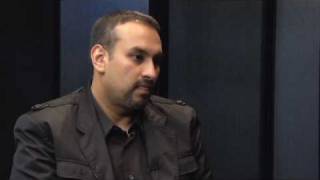
the 2009 Wharton India economic forum
00:00:15
titled India the road ahead took place
00:00:18
in Philadelphia and brought together
00:00:19
CEOs of leading indian companies
00:00:22
investors heads of nonprofit
00:00:24
organizations sports celebrities and
00:00:26
Bollywood stars to discuss where India
00:00:29
is headed in an age of economic
00:00:31
uncertainty Indian knowledge at Wharton
00:00:33
brings you one-on-one conversations with
00:00:35
these leaders thank you Ron for joining
00:00:38
us thank you I guess you produce chandni
00:00:40
chowk to china which is both a
00:00:42
cross-cultural flame in terms of for
00:00:45
Indian audiences and also the earliest
00:00:47
for a of Bollywood I guess on the
00:00:50
international stage that released on
00:00:52
january 2009 what has a reception bin
00:00:56
for that and what does opportunities you
00:00:59
see from Bollywood I think it was a very
00:01:02
exciting project to work on I think it
00:01:04
is one of the widest released films we
00:01:07
release in more territories than any
00:01:09
other film previous to that also
00:01:12
released extensively in India and I
00:01:15
think the combination of a of India and
00:01:18
China and the content side and the
00:01:20
ability to come out the assistance of a
00:01:23
Hollywood studio to use their
00:01:25
infrastructure to reach out to wide
00:01:27
ordinance has been very exciting and it
00:01:29
showed that there is a lot of scope to
00:01:32
broaden the audience for indie film what
00:01:36
has been the box office success of that
00:01:40
it was an ad says an average success we
00:01:43
were hoping for it to go a little
00:01:45
further than that but I think it's still
00:01:47
managed to take a very good opening and
00:01:50
it's got a good life on home video and
00:01:54
and all the other non-theatrical streams
00:01:56
so it's something that probably has not
00:02:00
completely hit the mark but it was a
00:02:02
decent effort one of the things that
00:02:05
struck me as I looked at the numbers for
00:02:07
the costs of production of Bollywood
00:02:11
movies is compared to Hollywood movies
00:02:12
as well as the box office returns on
00:02:14
these you know we are talking one-tenth
00:02:16
of the scale for most Bollywood movies
00:02:18
how does this economics work in the
00:02:21
context of someone like 11 of brothers
00:02:23
for instance where obviously there's the
00:02:26
box of a side of head but there's also a
00:02:27
cost side of it I well I think in the
00:02:31
Indian cinema it's very dynamic at this
00:02:34
point you know for most of its history
00:02:37
it's been an entrepreneurial and very
00:02:40
independent producers have run it in the
00:02:42
last five seven years this kind of
00:02:44
corporate side has come into it and so
00:02:47
there was this huge influx of money that
00:02:49
came in so i think that supply of money
00:02:52
probably distorted things in terms of
00:02:53
increasing budgets and i think it's
00:02:55
going to settle down to a point where
00:02:57
where the risks and rewards will get
00:02:59
aligned better because ultimately every
00:03:03
investor is looking for a return like
00:03:04
you were saying so it has to be I don't
00:03:08
think a market yet is off the size to
00:03:10
justify the bigger budget films it that
00:03:12
that are being made at this point so I
00:03:15
think that's going to settle down a
00:03:16
little bit but there is still healthy
00:03:17
growth you know a theatrical revenues
00:03:19
generally been increasing other forms
00:03:23
whether it's home video satellite
00:03:24
overseas are keeping pace and in a lot
00:03:28
of cases growing as well so this steady
00:03:30
growth but but probably this was a bit
00:03:32
of a distortion as a lot of players came
00:03:34
in a lot of money was chasing few
00:03:35
projects so so the kind of means of
00:03:39
production was kind of taken advantage
00:03:41
of but I think it will settle down to a
00:03:43
stage where we will have a more rational
00:03:46
kind of split between between what the
00:03:49
costs are and what the returns can be
00:03:50
well it'll also time as you know we are
00:03:52
basking in the glow of Slumdog
00:03:54
Millionaire success now that actually is
00:03:56
not an indian movie is really but so I
00:04:00
guess it raises two questions one the
00:04:02
fact that it was a non-indian movie that
00:04:04
was so successful in terms of at least
00:04:07
it's
00:04:08
being about India in the in the foreign
00:04:10
market so what lessons does that give to
00:04:14
Bollywood in a sense of its
00:04:15
opportunities as well as the fact that
00:04:17
you know it was a non bollywood player
00:04:18
but actually was so successful well I
00:04:20
think I mean it's it's I really enjoyed
00:04:25
the success of the film the film I think
00:04:28
one of the big things to learn as I said
00:04:30
earlier the such a dynamic market
00:04:33
everyone is learning a lot like so
00:04:36
recently the trend has been to really
00:04:39
pursue this kind of saturation release
00:04:41
so every film is bombarded on as many
00:04:43
screens you know that kind of a pattern
00:04:45
and slumdog is a classic example of a
00:04:47
film where they went out with force for
00:04:50
screens to begin with they really built
00:04:52
on word of mouth and created this
00:04:54
momentum and that underdog story Oh have
00:04:57
you seen this film you know that is a
00:04:58
fantastic strategy for the film is not
00:05:00
the only film that's done it but it
00:05:02
really did it successfully so we have to
00:05:04
learn that and I think as far as the the
00:05:07
i think it's it's wonderful that it
00:05:10
succeeded there's an opportunity there
00:05:12
but it was very clearly made for a
00:05:15
Western market you know that so I think
00:05:18
any Indian filmmaker trying to replicate
00:05:21
that kind of success needs to align
00:05:22
themselves the Western studio or at
00:05:24
least someone who has access to true
00:05:26
distribution and the infrastructure of
00:05:28
the Western markets because without that
00:05:30
there's no chance of reaching out you
00:05:32
know we might have made ten times a
00:05:34
better film than Slumdog but if you
00:05:35
don't tie up with Fox Searchlight or
00:05:38
whoever it is there's no chance of
00:05:39
reaching that audience you know and then
00:05:41
that's that's where the real game is the
00:05:43
numbers in America and the Western
00:05:46
markets are just massive compared to us
00:05:47
I guess there's obviously that market
00:05:50
component of it but the other aspect of
00:05:52
I guess of slumdog is also the
00:05:54
aspiration of many Indian filmmakers to
00:05:56
make it into the Oscars and be
00:05:58
successful I guess in terms of being
00:06:00
identified you know in the award side
00:06:03
what do you feel about that component we
00:06:06
haven't been very successful in Oscars
00:06:08
before no I think it's a really salute
00:06:12
the guys who have succeeded it's
00:06:14
wonderful to get it but I think for any
00:06:17
creative person it's a nice reclamation
00:06:20
we can add code that cannot be the
00:06:21
in for doing stuff it's an award
00:06:23
function from the United States
00:06:26
rewarding essentially the makers and the
00:06:29
creative people in their industry and
00:06:31
it's wonderful to be acknowledged by
00:06:33
them but and it makes a lot of sense if
00:06:36
all your work is here it's it's the
00:06:39
ultimate pinnacle but if you're working
00:06:40
in Bombay you're working for Hindi
00:06:43
speaking audience it's it's it's not in
00:06:46
entirely relevant it's always like I
00:06:49
said it's fantastic achievement and I
00:06:51
think they have they are on the top of
00:06:55
the world in that sense but it's it's
00:06:56
it's not something that can drive you
00:06:58
when you're making Hindi films you know
00:07:00
now you also have been involved in an
00:07:03
indie production I guess and you also
00:07:06
have been on the commercial side what I
00:07:09
guess prompted you to get into the in
00:07:11
decide I think it's exciting there's
00:07:14
this in in urban India as many young
00:07:18
audiences looking for alternate
00:07:20
alternatives to the very commercial kind
00:07:23
of product that's put out there so it
00:07:25
was a great opportunity to do something
00:07:27
there's a very talented actors a good
00:07:28
script and and a chance to do something
00:07:32
new it was in the English language it
00:07:34
had also kind of an international slant
00:07:38
as in involved george bush and and some
00:07:42
very topical kind of elements so that
00:07:44
all kind of added up to make it a
00:07:47
tempting it was also based on a play
00:07:48
that was very successful so there's a
00:07:50
kind of proof of concept that we were
00:07:52
working with and it felt good to do
00:07:55
something that kind of pushed the
00:07:57
boundaries and from also you know it's
00:08:01
it's nice to be at the cutting edge and
00:08:02
see how far you can push things now this
00:08:05
is an english-language film and it is
00:08:07
intended for the audience in india well
00:08:10
it's indian for anyone that understands
00:08:11
English okay but are you is that movie
00:08:14
being marketed overseas as well I'm we
00:08:17
actually appointed a sales agent which
00:08:20
is not the typical route that indeed
00:08:21
films take which is where you get the
00:08:24
distributors for the NRI territories in
00:08:26
this case we appointed a sales agent
00:08:28
which which are aiming to say sell the
00:08:32
various rights to different territories
00:08:34
in a slightly more methodical
00:08:35
ina so they're going to be exhibiting
00:08:37
the film at at the Cannes Film Festival
00:08:39
if a commercial screening for buyers and
00:08:42
hopefully use that as a platform to to
00:08:45
get our sales in different territories
00:08:48
now the economics of the industry is are
00:08:51
changing in very significant ways what
00:08:53
impact does that have on the nature of
00:08:56
filmmaking in India I think you know
00:08:59
filmmaking is essentially a costly
00:09:01
commercial exercise so will always feel
00:09:03
the right now what has happened
00:09:06
immediate the first effect I've seen is
00:09:09
that because of this cut well recession
00:09:14
there's been marked slowdown in
00:09:16
advertising the first thing that tends
00:09:18
to go is advertising so once advertising
00:09:21
goes it impacts the satellite rights for
00:09:23
films so that's been till recently
00:09:27
twenty-five thirty thirty-five percent
00:09:29
of film production cost was recoverable
00:09:33
from the satellite rights that's coming
00:09:35
down drastically so that's the first
00:09:36
thing so I think will feel it down the
00:09:39
line I think cinemas are kind of
00:09:41
dropping their prices because I think
00:09:43
consumers at this time I'm finding it
00:09:45
may be a 250 rupee ticket family of 46
00:09:49
you know maybe by the time you put all
00:09:52
your entertainment in a couple of
00:09:54
thousand rupees which is a lot at this
00:09:55
time so the challenges that we have to
00:09:58
address that which I think ultimately
00:10:01
will make us work harder on the creative
00:10:03
and make us more focused in making
00:10:06
content that works by your father Ramesh
00:10:08
Sippy was obviously a very famous Indian
00:10:11
producer and you have observed I guess
00:10:13
not just from your experience in your
00:10:15
time in the industry but also from is
00:10:16
how has that changed from s times in and
00:10:19
what you are doing now but he's still
00:10:21
working we were working together so he's
00:10:23
very active with me and it's wonderful
00:10:25
to have his perspective because a lot of
00:10:28
things change these these new entities
00:10:30
have come in but the inherent nature of
00:10:33
the business has not fundamentally
00:10:36
changed wise ultimately dependent on
00:10:38
good content but I think it's in the
00:10:42
time when he was making it was pretty
00:10:44
much theatrical sales was the only
00:10:46
revenue and
00:10:48
there wasn't this whole aspect of
00:10:50
marketing is a real big big big change
00:10:53
that's come into the business for better
00:10:54
or worse you know earlier a film would
00:10:57
run on purely on word-of-mouth the stock
00:11:00
us it had and the poster that you saw
00:11:03
outside you know that was the extent of
00:11:05
the marketing now we've got hundreds of
00:11:07
channels we've got radio we've got the
00:11:10
internet I mean so many so many things
00:11:14
and that is all positive but it also
00:11:17
becomes a challenge as things get more
00:11:19
fragmented to put put yourself out there
00:11:21
and you were in a sense hard selling
00:11:24
your product mahone more which is 100 s
00:11:26
LT the right thing for each film now I
00:11:29
guess your father produced one of the
00:11:31
most famous movies in India Sholay he
00:11:34
directed a Directorate and Amitabh
00:11:36
Bachchan was obviously very famous in it
00:11:38
and I find it curious actually that here
00:11:40
you are in Abhishek Bachchan it's been
00:11:44
working with you on a lot of these
00:11:46
movies I have two questions on that how
00:11:48
did that partnership between you and
00:11:49
Abhishek come about and also I guess
00:11:51
since both of you have families with
00:11:54
very famous parents I assume they are
00:11:57
both advantages and perils I suppose in
00:12:01
that can you speak to that well i think
00:12:04
i went to obviously with the first
00:12:05
script ahead and he was very positive
00:12:09
about it and was very keen to work
00:12:13
together and was very nice of him to to
00:12:15
be proactive and we kind of brought it
00:12:17
together and that and so while he is a
00:12:21
very very dear friend i think first of
00:12:22
all when we worked it together i really
00:12:25
have professional respect from i cannot
00:12:27
afford about any personal things there's
00:12:29
too much at stake each time we all all
00:12:31
want success and I will do whatever it
00:12:33
takes to ensure that so it has to be
00:12:35
professional I'll be working and it's
00:12:37
great to work with the dear friend as
00:12:40
far as the the the I see primarily the
00:12:44
advantages because you get access and
00:12:46
opportunities ultimately you have to
00:12:48
prove yourself because audiences that
00:12:51
are playing hard earned money for the
00:12:52
tickets are not concerned with who your
00:12:55
family is maybe they'll give you one
00:12:56
chance a couple of chances but after
00:12:58
that you really have to prove yourself
00:13:00
so
00:13:01
I think within the industry you get
00:13:03
opportunities you have the great
00:13:05
advantage of having met people and a
00:13:07
network of people you can who are
00:13:11
accessible to you but ultimately they
00:13:12
also want to work with someone who they
00:13:15
perceive as doing a good job and and and
00:13:18
ensuring success in their careers so I
00:13:20
think the pedals are more in the mind
00:13:23
you know I think that that is up to you
00:13:25
to make and I think those those things
00:13:28
are kind of a mindset if you want to see
00:13:31
it in a pressure kind of way it will
00:13:33
always be that but if you look at it as
00:13:35
a positive and which is the way i do and
00:13:37
i have i've only seen that I mean
00:13:39
there's so much goodwill I've received
00:13:41
as a result of my relationship to my
00:13:43
father and I'm sure the same as it is
00:13:45
true for we shake to that you you try
00:13:48
and make that work towards helping you
00:13:51
do what you want and I think so far it's
00:13:53
only been that now you have worked with
00:13:55
Warner Brothers and I guess amongst the
00:13:57
early Studios I guess who have come out
00:13:59
with a movie with a foreign studio how
00:14:01
do you see this role of foreign
00:14:04
companies in Bollywood evolving over the
00:14:07
next few years well I I think they had a
00:14:10
very good group of people and they're
00:14:11
obviously one of the biggest studios in
00:14:13
the world so it was a very educational
00:14:16
experience for me also to learn the
00:14:18
studio system and how it works but I
00:14:21
think also lines are getting blurred
00:14:23
more and more because look if you look
00:14:24
at the studios in india with its the
00:14:26
studio 18 is also got a Viacom component
00:14:28
to it if I understand and other
00:14:31
companies are raising money in the
00:14:32
United Kingdom things like that so it's
00:14:34
kind of the lines are getting blurred of
00:14:36
what is Indian what is foreign
00:14:37
ultimately it's I think it's very much a
00:14:40
people driven business so it's about the
00:14:42
five ten people who are in the critical
00:14:44
positions in each company that will
00:14:46
determine it and even in the case of
00:14:48
Warner Brothers it was essentially an
00:14:49
Indian team that was running the show on
00:14:51
a day-to-day basis so it's it's really
00:14:54
about getting a good set of people in
00:14:57
and and and leveraging their
00:15:00
relationship with the studio to maximize
00:15:03
the success you can achieve can you tell
00:15:06
us how that partnership came about with
00:15:08
Warner Brothers well I I met up with
00:15:13
the gentleman called Richard Fox who is
00:15:15
heads the international production was
00:15:17
in India in 2006 and add the opportunity
00:15:21
to meet him and we just struck a good
00:15:24
rapport started talking and then when we
00:15:27
had a script that that seemed right for
00:15:29
me the idea of this Indian and kind of
00:15:32
chinese kung fu element seem like an
00:15:35
interesting project to take to a partner
00:15:38
like like Warner Brothers and they
00:15:39
responded very well to the concept in
00:15:41
the script and it grew very organically
00:15:44
from that over a period of time the
00:15:46
Bollywood has always had a very strong
00:15:49
sales component I guess in overseas
00:15:51
markets to some degree it is within our
00:15:54
eyes to some degree it is parts of the
00:15:56
world which have an interest in Indian
00:15:58
movies first can you tell us how
00:16:01
important in the economics of the
00:16:03
industry is this overseas market and how
00:16:06
do you see that as influencing I guess
00:16:10
even projects that are now taking place
00:16:11
in India I think as a ballpark would say
00:16:15
somewhere between ten and twenty percent
00:16:16
of film's budget would be what is from
00:16:21
the overseas markets for some films just
00:16:25
play stronger and some films play
00:16:27
stronger in India so but I think it has
00:16:30
very important cultural role because
00:16:33
it's it's a very strong component of the
00:16:37
image of India is projected through our
00:16:38
movies especially you know in
00:16:40
international areas so that part of it
00:16:42
is also very significant so I think it
00:16:46
will it will go hand in hand recently
00:16:48
we've had films that are very rooted in
00:16:51
India that have been successful whether
00:16:52
it's a Ghajini in in in the last year
00:16:55
before that the Munna Bhai series are
00:16:58
very Indian films that also worked very
00:17:00
well both in India and outside India so
00:17:04
I think it's always going to be a
00:17:06
balance and I think that's what's nice
00:17:07
about the upcoming kind of market
00:17:12
wherein is that is room for a lot of
00:17:14
different kind of products including
00:17:15
stuff that is very India focus and and
00:17:18
that that also has an outward look to it
00:17:21
now within the India context as I guess
00:17:24
these companies like Warner Brothers
00:17:26
come into
00:17:26
to support Indian movies 1 also imagines
00:17:29
they are going to be coming into India
00:17:30
with their movies do you see challenges
00:17:32
for the indian industry as it opens up
00:17:34
to foreign movies I think so far it's
00:17:38
been resistant I guess the language has
00:17:40
been a restriction for foreign movies
00:17:44
and dubbed films have not yet taken off
00:17:46
but i think they are younger urban india
00:17:55
definitely speaking more english is more
00:17:57
comfortable with watching english and so
00:17:58
it's definitely a bigger challenge
00:18:00
coming up in the next generation also
00:18:03
that we have to compete with with with
00:18:07
good products that are being made from
00:18:09
all over the world so I think we have to
00:18:11
definitely keep our production quality
00:18:17
high end of story sense that all of that
00:18:20
has to be kept higher because of the
00:18:23
fact that these films and a lot of these
00:18:25
films also do well on television when
00:18:27
they dubbed in you know especially they
00:18:29
have the budget to make special effects
00:18:31
driven films monsters and creatures and
00:18:33
stuff like that those kind of films
00:18:35
great well on television as well and and
00:18:38
obviously take away some revenue from
00:18:40
otherwise what would be local content
00:18:42
finally I guess if you can speak to one
00:18:45
the kind of movies projects that you are
00:18:47
currently working on and what role you
00:18:49
see I guess of globalization in the
00:18:52
movie sector in let's say the next four
00:18:55
or five years well I think both
00:18:59
technology and globalization going to
00:19:00
play a huge part way the digital
00:19:04
revolution is is underway it's already I
00:19:07
mean there's great equipment and
00:19:09
possibilities to lower production costs
00:19:11
and to that extent lower barriers to
00:19:15
entry to make interesting films and as
00:19:19
we are getting more connected I think
00:19:21
their chances to put put together
00:19:23
stories at a lower cost which which
00:19:25
which take on different parts of the
00:19:27
world so I think there is there is a
00:19:29
there is a chance to really do new kinds
00:19:34
of stories but it's about again it's
00:19:36
always about getting the right people
00:19:37
together like a slum dog was a very
00:19:39
interesting example of an eye
00:19:40
FS officer wrote a book it was picked up
00:19:43
by a British studio then I a Scottish
00:19:45
director came on board and that's a
00:19:46
fantastic way so i guess that's really
00:19:50
the dream is if you can bring in a team
00:19:53
like that from regardless of from where
00:19:56
they are but come together on a project
00:19:58
that would be a fantastic kind of way to
00:20:02
put a film together and i hope that in
00:20:04
india we can also originate these kind
00:20:06
of things this time we had some
00:20:09
technicians were part of it next time
00:20:10
will be great if the origination could
00:20:12
come from from an indian source even
00:20:15
though the creative origin was written
00:20:17
by an indian it'd be nice if the
00:20:18
producer was also an indian on a film
00:20:21
that succeeds like this but i guess you
00:20:23
will be one of those producers so what
00:20:26
are you what are you working on well
00:20:27
there's a couple of scripts that I'm
00:20:31
hoping to direct in a couple of villain
00:20:33
in his honor of a thriller so there's
00:20:35
that something like that which I have
00:20:37
been talking to have a shake about which
00:20:38
I hope to roll in the later part of the
00:20:40
year and as a producer looking at some
00:20:43
very interesting films made on a limited
00:20:47
budget but with very high concepts and
00:20:49
an interesting idea so the challenge you
00:20:53
know is there is a huge appetite for
00:20:56
movies huge demand from the number of
00:21:00
screens that we have and the fact that
00:21:01
they need new content all the times I
00:21:03
think there's an opportunity to do
00:21:05
things so just trying to get the right
00:21:07
combination of the reasonable budget
00:21:09
good talent attached to it along with
00:21:11
any heart at the heart of it it should
00:21:14
be an exciting concept and trying to get
00:21:17
those but it's always a little bit of
00:21:18
counting frogs if you get three or four
00:21:20
things in one goes out you have to be
00:21:22
patient enough to start again and not
00:21:24
just go ahead because you you know the
00:21:28
engine has started rolling so you have
00:21:29
to be able to bring it back and get it
00:21:31
into perfect alignment before you move
00:21:33
ahead well thank you for that thank you
00:21:36
so much
00:21:37
you
00:21:44
Oh