00:00:19
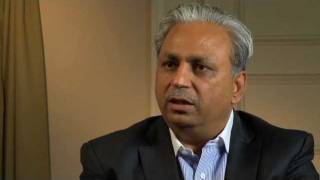
chairman of
00:00:20
tata consultancy services for asia
00:00:22
pacific thank you very much for taking
00:00:25
the time to fly out from singapore
00:00:27
to be with us and
00:00:30
if i may i'd just like to start with a
00:00:34
personal question tell me about your
00:00:37
career
00:00:38
how did you come to your position of
00:00:40
leadership in tata consultancy services
00:00:43
and anything you would want to talk
00:00:44
about family education
00:00:47
overseas experience please go ahead
00:00:51
okay well thank you very much for having
00:00:52
me here it's a pleasure to be here with
00:00:54
you
00:00:55
um i when i look back on some of the
00:00:59
milestones
00:01:00
in my life and how one came to this
00:01:02
position
00:01:04
um i think there are three or four
00:01:06
things that
00:01:08
clearly uh a part of that journey
00:01:12
one is the fact that my father was on
00:01:15
the
00:01:16
civil service in india so he we you we
00:01:18
moved a lot
00:01:19
for us moving around was common so
00:01:22
and in the same way i have moved around
00:01:24
in so many countries
00:01:26
i think it's part of that so i
00:01:30
educationally i was an engineer i i
00:01:33
did my mechanical engineering and then i
00:01:35
did
00:01:36
my mba from the institute of management
00:01:38
at ahmedabad
00:01:39
after that i was with one of india's
00:01:42
largest foreign bank at the time
00:01:44
grimlys i went with them i worked in
00:01:48
india
00:01:48
in many areas and then i moved on to
00:01:51
asia asia has fascinated me
00:01:53
i don't know maybe i feel very much
00:01:55
asian and
00:01:57
i worked in asia i had opportunities to
00:01:59
be in other parts of the world but for
00:02:00
some reason i always stuck to asia
00:02:02
so i was in korea i was in hong kong i
00:02:05
was in taiwan then i went to bahrain
00:02:07
then i came back to india
00:02:09
and now i'm in singapore so it's given
00:02:12
me a great
00:02:12
story on asia i have also witnessed
00:02:15
through the 70s
00:02:16
when i started when i went out to to now
00:02:19
the growth of asia and the
00:02:21
transformation of asia so i've been very
00:02:22
lucky
00:02:23
that i have been in the center of
00:02:26
world's growth
00:02:27
and most importantly i tracked china
00:02:30
from the time i was in hong kong
00:02:31
and china was opening up in 84 and i
00:02:34
remember going many times to beijing
00:02:35
when we set up our rep office there
00:02:37
and i was in charge at that time of our
00:02:39
corporate planning
00:02:40
in asia pacific so asia pacific
00:02:43
my the fact that i have worked there
00:02:47
over these years when the transition has
00:02:48
happened the ups and the downs of asia
00:02:51
same thing ditto with india after the 92
00:02:54
reform so i think
00:02:57
that has molded my thinking
00:03:01
of where asia's position will be and the
00:03:03
leadership challenges of asia
00:03:06
after i finished banking 25 years i was
00:03:08
the head of i was a chairman of our
00:03:10
mutual fund i launched a mutual fund the
00:03:11
first debt fund in india
00:03:14
and i moved on to be an entrepreneur for
00:03:16
a year and a half with a pe company
00:03:19
because i was a very entrepreneurial
00:03:20
person even when i was in the bank this
00:03:22
was private equity this is private
00:03:24
equity yeah
00:03:25
and at that time tcs was also a part of
00:03:28
that entity we created for wealth
00:03:29
management
00:03:30
and then they requested that i
00:03:33
set up and start the complete
00:03:35
asia-pacific operation which
00:03:37
was very small at that time we had about
00:03:39
200 people in four countries
00:03:42
and today we have seven and a half
00:03:43
thousand people in
00:03:45
14 countries including china where we
00:03:48
have about
00:03:49
1100 people so it's been a
00:03:53
it's been a great story uh driving
00:03:56
tcs's growth plans we have 22
00:03:58
nationalities in asia pacific
00:04:01
we have local leadership we have local
00:04:04
customers and global customers
00:04:08
the past four years or three years have
00:04:11
focused everyone's mind on asia
00:04:14
as the growth center led by china and
00:04:16
india so i think
00:04:17
i'm lucky and fortunate to be
00:04:20
in in in a situation or a time
00:04:24
when so much is happening in that part
00:04:26
very interesting
00:04:28
you know it strikes me that you in fact
00:04:32
of course have spent a long time in
00:04:33
various parts of asia
00:04:35
and you were kind of gathering your
00:04:39
experiences in asia
00:04:41
much before the brick stories came out
00:04:43
and before
00:04:44
china and india in the last 10 years or
00:04:47
so
00:04:48
started to get talked about as these
00:04:52
huge emerging giants in the future
00:04:56
could you ever have imagined that the
00:04:58
china story on one hand or the india
00:05:00
story on the other
00:05:02
would become globally as significant as
00:05:04
they have become
00:05:06
you know in early 80s
00:05:10
i remember studying for a presentation i
00:05:12
had to do
00:05:14
the bank was in those days part of
00:05:15
citibank and our citibank
00:05:18
chief executive then city bank chief was
00:05:19
going to visit us in india and as we
00:05:21
were the largest foreign bank
00:05:22
i was to do a presentation which was
00:05:24
going to look india
00:05:26
10 years 15 years it was one of those
00:05:28
blue sky presentations
00:05:30
and i looked at a lot of numbers and i
00:05:31
looked a lot of things and talked to a
00:05:33
lot of people at that time
00:05:34
to come to a i was bullish even then
00:05:38
i could see the demographic change i
00:05:40
could see the
00:05:42
stirrings of early growth i could see
00:05:44
indian companies
00:05:45
getting better and i could see the
00:05:47
market
00:05:48
and the size of the indian market would
00:05:49
be an advantage and not a disadvantage
00:05:51
and most of our politicians said
00:05:54
about population right and in 84 when i
00:05:57
was in hong kong and i used to go to
00:05:58
china
00:06:00
deng revolution had just started he just
00:06:01
come to shenzhen and said you know i
00:06:03
don't care the color of the cat and
00:06:04
always catches mice and shenzhen was the
00:06:06
place where it started
00:06:08
i saw the industrious nature of the
00:06:10
chinese businessmen
00:06:12
highly entrepreneurial far more
00:06:13
entrepreneurs sometimes than indians are
00:06:16
and i saw this huge country where the
00:06:19
cultural ethos
00:06:21
of confucianism which would create the
00:06:23
order that they need
00:06:24
for development and i was bullish about
00:06:27
that
00:06:27
i have not been surprised yes the brick
00:06:30
connotation
00:06:32
is newer and i think captures it better
00:06:35
than
00:06:35
what i thought so some of the
00:06:37
foundations were already in place
00:06:40
it has become a much better known story
00:06:43
of course perhaps one could not have
00:06:45
imagined the
00:06:46
dramatic reforms of 1991 and quite the
00:06:49
details
00:06:50
in which they occurred but that's a
00:06:52
different story so let's shift gears a
00:06:54
little bit
00:06:55
and start talking about your leadership
00:06:57
style
00:07:00
and and let's start with uh in your
00:07:03
leadership role in tcs
00:07:06
uh driving in particular the asia
00:07:08
pacific agenda
00:07:10
what would you say are some of the key
00:07:12
priorities that you have as a leader see
00:07:16
asia pacific by nature
00:07:17
of the the entities that we have there
00:07:20
is a high growth
00:07:21
area we had a blip in 97
00:07:25
when the asian financial the currency
00:07:26
crisis but it has
00:07:28
been steadily growing so your priority
00:07:31
will always
00:07:32
have to be very ambitious growth plans
00:07:36
i mean we have grown in tcs in asia
00:07:38
pacific for the last
00:07:39
eight years under me at something like
00:07:42
35 to 40 percent cagr
00:07:46
annualized and anyone who used to come
00:07:47
from the outside you tell me
00:07:49
you know are you sure this can work and
00:07:51
i said you know this is how asia works
00:07:53
if you don't do it you won't get to a
00:07:55
leadership position
00:07:57
we were starting from scratch we were
00:07:59
building from scratch
00:08:00
so a it was important that we grew fast
00:08:02
and b it was important we grew fast in
00:08:03
line with the way the region was growing
00:08:06
and growth is part of the region's
00:08:08
priorities for everyone not only us so
00:08:10
that was one
00:08:11
the second was that we realized that
00:08:14
customers in asia were underserved
00:08:18
what a customer whether it's enterprise
00:08:20
customer or individual customers in the
00:08:22
west
00:08:23
have they are used to levels of service
00:08:27
which which we did not have in asia we
00:08:30
took shortcuts because maybe we were
00:08:31
great fast
00:08:32
so i instituted what i called a customer
00:08:35
delight program
00:08:36
in our organization for our key
00:08:38
customers where we would do more
00:08:42
than what they would expect and was this
00:08:44
relatively novel at the time this was
00:08:46
relatively normal we got very good
00:08:48
responses
00:08:49
i was absolutely surprised because
00:08:50
because the underserved nature of the
00:08:54
customers in that part of the world so i
00:08:56
think we have done
00:08:57
so you know some of the priorities you
00:08:59
talked about was to get customers
00:09:01
sticking
00:09:02
by delighting them and lastly
00:09:05
customers in asia because of fast growth
00:09:07
did not actually focus on process and
00:09:09
methodologies
00:09:10
because they were growing so fast
00:09:12
sometimes it was helter skelter so we
00:09:14
started putting some process discipline
00:09:16
around the business processes around the
00:09:19
i.t processes
00:09:20
i think that was that was the kind of
00:09:22
organization that we were building
00:09:24
with these priorities very interesting
00:09:27
um so let's
00:09:28
deal directly with leadership style and
00:09:30
let's start with
00:09:32
your leadership style uh what adjectives
00:09:35
would you use
00:09:37
to describe your own leadership style i
00:09:39
know it's always a little uncomfortable
00:09:41
to focus on oneself
00:09:43
but you're in a very sympathetic
00:09:45
audience here
00:09:46
what what adjectives would you use right
00:09:48
from the time i joined
00:09:50
the bank and then tcs
00:09:53
i have been a dissatisfied entrepreneur
00:09:59
i used to say a lot of people say that
00:10:02
you have a
00:10:02
impatience in your dna i actually said
00:10:06
inside large corporates you can be an
00:10:08
entrepreneur
00:10:10
you didn't have to be an entrepreneur
00:10:11
right yeah so there is an
00:10:12
entrepreneurial streak of just doing
00:10:14
things and being
00:10:15
sometimes a little more radical than
00:10:17
others asking questions which people
00:10:19
don't ask
00:10:20
so that is one i think people know me in
00:10:22
for that and i've been
00:10:23
a dissatisfied entrepreneur i have i
00:10:25
have
00:10:26
built a lot of new businesses when i was
00:10:28
in the bank and now of course in tcs
00:10:30
so it gives me great satisfaction in
00:10:33
fact
00:10:33
whenever someone gives me a clean slate
00:10:36
i love that role and that's what tcs
00:10:38
gave me they said you know
00:10:39
the whole asia is your canvas so one is
00:10:42
entrepreneurial style which is obviously
00:10:43
less bureaucratic
00:10:44
listening to everyone you know
00:10:46
challenges let's get things done
00:10:48
challenging
00:10:49
you know conventional logic i think we
00:10:50
did that so that is the first part i
00:10:52
think of our father
00:10:53
the other one is i suppose there's
00:10:54
something i learned from my father you
00:10:56
have to be a very fair person
00:10:58
but firm in disciplining when you have
00:11:01
to
00:11:02
so fair but firm has been a policy of
00:11:05
managing people and i think people
00:11:07
respect you if you are fair and open
00:11:09
with them
00:11:10
but they also need sometimes a little
00:11:13
bit of
00:11:13
disciplining and being an entrepreneur
00:11:17
delegation has come easy to me
00:11:19
i don't have all the answers because i'm
00:11:20
creating new businesses
00:11:22
so you've got to delegate and i used to
00:11:24
go and tell our people when i used to
00:11:25
run treasury in the bank i said you
00:11:27
gotta get it 75
00:11:28
time right you've done very well that is
00:11:30
a very powerful statement to your team
00:11:32
that you will tolerate failures
00:11:35
you'll allow them to innovate otherwise
00:11:39
they will wait for you for an answer you
00:11:40
can't have a prescriptive style
00:11:43
because the views are saying that
00:11:44
they'll say okay tell us what to do and
00:11:45
we'll do it
00:11:46
so i think that's part of it so open
00:11:48
style open door my doors are always open
00:11:51
everyone calls me my first name from the
00:11:52
time i've been even though
00:11:54
some of the our average age in tcs is 27
00:11:57
years old
00:11:58
some of them are younger than my
00:11:59
children and yet they call me by the
00:12:01
first name they can walk in any time i
00:12:03
like so i think
00:12:04
that that's the kind of environment
00:12:06
you've got to create for leadership
00:12:07
for being able to develop your people
00:12:10
more importantly their ideas
00:12:12
now we are talking of course to you at a
00:12:15
time when you
00:12:16
are literally at the peak of your career
00:12:19
and it has taken
00:12:20
your entire career to get to this very
00:12:24
privileged position that you are in
00:12:25
today making a lot of good things happen
00:12:27
in asia pacific
00:12:28
having a lot of influence not only at
00:12:31
tcs but the tatas group
00:12:33
but there are always some experiences
00:12:36
that are particularly meaningful in
00:12:38
developing your leadership style
00:12:41
were there such experiences and can you
00:12:43
talk about any one experience and how it
00:12:46
influenced you as a leader
00:12:49
i think all of us have have role models
00:12:52
as we've grown
00:12:53
in leadership and taken new roles
00:12:56
certainly uh for me and the difference
00:12:59
between when i worked in uk sometimes
00:13:01
and when i work in asia
00:13:03
was that in asia you have to be
00:13:05
culturally very sensitive
00:13:08
the same thing that we say and do in the
00:13:11
west
00:13:11
is differently said and done in the east
00:13:15
so cultural sensitivity and openness to
00:13:19
cultures
00:13:20
whenever i went to a new country or a
00:13:22
new organization in that country
00:13:25
i used to say that these are successful
00:13:27
societies
00:13:28
surely everything they do is not wrong a
00:13:30
lot of expatriates tend to have this
00:13:32
view
00:13:33
they bring from their home countries i
00:13:36
was very open-minded about
00:13:38
accepting that culture and seeing the
00:13:39
benefits and strengths of that culture
00:13:42
so the sensitivity of how you handle
00:13:45
asian leaders businesses
00:13:48
is very different i realized from day
00:13:51
one
00:13:51
when i was in korea taiwan hong kong
00:13:55
and i think that's been one of the
00:13:57
defining areas of being able to manage
00:13:59
multicultural workforce
00:14:02
if they see you culturally open in fact
00:14:06
sometimes i get more critical about
00:14:07
india than anyone else but
00:14:10
that i think is is is the experience
00:14:13
that i have seen which builds a good
00:14:15
leader is there a concrete incident or
00:14:18
experience that you can think of
00:14:22
well i i remember we were in korea my
00:14:25
first role
00:14:26
and we had a
00:14:30
lady who was being promoted after an
00:14:33
exam
00:14:34
and all the men folk came to me and said
00:14:38
you know this can't happen this is korea
00:14:40
you've got to
00:14:41
understand that you know this is a very
00:14:43
male dominated society they did not want
00:14:45
the woman to be they did not want the
00:14:47
woman to be promoted
00:14:48
very interesting and uh i was quite
00:14:51
adamant
00:14:52
saying that you know i can understand
00:14:54
this
00:14:55
and then a little later the woman came
00:14:58
to me who was
00:14:59
a bright very uh young lady who said you
00:15:02
know this is the way we do things in
00:15:03
korea and i will withdraw my
00:15:05
applications and she did not want to she
00:15:07
did not how about it and she said the
00:15:09
nail that sticks out gets hammered
00:15:11
interesting so i learned the confucius
00:15:13
way of looking at life
00:15:15
right how asia does in his own way
00:15:18
and how sometimes you have to understand
00:15:20
the cultural impediments of leadership
00:15:24
and what happened to the lady eventually
00:15:26
true she withdrew
00:15:27
her application she continued and i
00:15:29
think somewhere later she went off but i
00:15:31
believe when i
00:15:32
hear about her whenever i go to korea
00:15:34
she's done very well as it happens
00:15:35
korea i mean this is the korean the
00:15:37
early 80s i'm sure it has changed over
00:15:39
years
00:15:39
yeah so still still staying with the
00:15:43
area of leadership challenges
00:15:46
there is a literature in management
00:15:48
theory that talks about how
00:15:50
even much more from your greatest
00:15:53
successes
00:15:54
sometimes the real crucibles for
00:15:58
learning and development
00:16:00
particularly as a leader can be from
00:16:02
your greatest
00:16:03
failures can you think of any such
00:16:07
crucible-like experience that really
00:16:10
shaped deeply deeply shaped your own
00:16:13
values
00:16:14
and kind of was a defining moment in
00:16:17
setting the foundations for your
00:16:18
leadership style
00:16:21
i was um i was a young man in those days
00:16:24
when i was given the charge for middle
00:16:26
east
00:16:27
to run a complete uh investment bank and
00:16:29
treasury operations in the middle east
00:16:32
and i was a man in a hurry
00:16:37
and i realized that we were
00:16:40
running we were trying to do many things
00:16:43
i mean you know i had open fronts on
00:16:44
let's do this and let's do that in my
00:16:46
enthusiasm i was all of
00:16:48
34 i think and then when we were trying
00:16:52
to
00:16:52
put it all together whether the the
00:16:55
books were not written correctly
00:16:57
there were some losses in some of the
00:16:58
areas and we were all over the place
00:17:01
i was trying to just run faster than the
00:17:04
organization
00:17:05
the systems that could cope with it the
00:17:08
people that could cope with it
00:17:09
they were all enthusiastic young people
00:17:11
like me
00:17:12
and i realized a couple of things i
00:17:14
learned something a you got to
00:17:16
focus on what really works
00:17:19
what is it that adds value to your work
00:17:22
you can take up many you know
00:17:23
open many fronts and everyone gets very
00:17:25
excited about that that is number one
00:17:27
number two if you don't
00:17:31
get the whole system behind it your
00:17:34
victory can be very
00:17:36
pyric you will not succeed peric victory
00:17:40
so you need to have a much more stronger
00:17:43
and stabler way so i
00:17:44
i learned that growth has to be managed
00:17:48
it cannot be entrepreneurial all the
00:17:49
time this is where you learn and you
00:17:51
control yourself
00:17:52
so when i built asia pacific while we
00:17:54
were growing fast this is something
00:17:55
which was the back of my mind
00:17:57
are we running ahead of systems to keep
00:17:59
up with are we running ahead of people
00:18:01
who can handle it
00:18:03
are we just pushing for growth for no
00:18:05
regard to it
00:18:06
so for growth to be sustainable
00:18:10
and profitable you have to be very clear
00:18:13
that you have the wherewithals
00:18:16
and the focus so we decided like in asia
00:18:19
we said okay let's first focus on a few
00:18:21
countries
00:18:21
let's focus on a few customers then we
00:18:23
go to the next step
00:18:24
where did i learn this the mistakes i
00:18:26
made in bahrain very interesting
00:18:28
very interesting so it's almost a
00:18:31
resetting of your
00:18:32
own aspirations rescaling of your
00:18:34
aspirations
00:18:36
in order to have a more realistic chance
00:18:38
of succeeding
00:18:39
that's right i think you have to learn
00:18:42
sometimes to you know
00:18:44
walk before you run indeed indeed
00:18:47
um still staying with your leadership
00:18:50
style more broadly
00:18:52
uh what would you see
00:18:55
as your greatest leadership strengths
00:18:58
and what would you say as some of your
00:19:00
greatest weaknesses
00:19:03
and would the answer be any different if
00:19:06
in fact we were to ask some of the
00:19:08
people that have worked closely with you
00:19:13
i don't think the answers would be to
00:19:14
answer the next the last question would
00:19:16
be that different because
00:19:17
i have been one of those who actually
00:19:19
has been proponent of a 360
00:19:21
360 degree feedback so i actually get a
00:19:23
feel and that creates the convergence
00:19:25
so i know what my people think of me but
00:19:28
just to come under the first one
00:19:29
what are the the the strengths of the
00:19:31
leadership and the style
00:19:33
um i have a
00:19:36
entrepreneurial bent and therefore there
00:19:38
is a certain uh
00:19:41
impatient impatience and reluctance to
00:19:43
follow rules all the time
00:19:45
you know because i think some of the
00:19:46
best ideas come from your most
00:19:48
uh innovative people and they need to be
00:19:52
encouraged
00:19:52
so clearly i act as a coach to my team
00:19:57
you can't have a prescriptive style if
00:19:59
you're growing fast
00:20:00
because then they will ask you you tell
00:20:02
us we'll do it the minute that happens
00:20:04
you're in a prescriptive mode
00:20:06
very interesting you want to say what do
00:20:08
we think
00:20:09
this is the challenge and there are
00:20:10
ideas coming bubbling forth
00:20:12
you will moderate it with your
00:20:14
experience you will finally have the
00:20:16
stamp on it
00:20:17
they understand that but that is the
00:20:20
open
00:20:21
coach that you need to do to bring this
00:20:24
team
00:20:25
it's best would it be fair to say that
00:20:27
if you were more prescriptive you would
00:20:28
also not
00:20:30
encourage them to build their own
00:20:31
capabilities and that is true and you
00:20:33
know as you
00:20:34
build your people and as you we
00:20:37
try to grow them and that's been a great
00:20:39
pleasure to see some of our people who
00:20:40
work for me have
00:20:41
grown so fast is that it allows them to
00:20:44
grow
00:20:45
it allows them to think and it allows
00:20:47
them to be very engaged you want an
00:20:48
engaged team
00:20:49
you don't want a team which basically is
00:20:51
waiting for you to give ideas
00:20:53
that's in my opinion is the biggest
00:20:54
disaster so one of your strengths
00:20:56
clearly is this
00:20:58
open coach-like leadership style
00:21:01
what what would be some of the other
00:21:02
strengths
00:21:04
i think over the years one has learned
00:21:07
that you can be
00:21:08
open but unless you have tight numbers
00:21:11
and metrics driven
00:21:13
you may not achieve the results you're
00:21:14
looking for you know it can
00:21:16
it can generate into a a lot of exciting
00:21:20
things but you know at the end of the
00:21:21
day there has to be a metric driven
00:21:22
approach so my feet are firmly on the
00:21:24
ground when i look at
00:21:25
metrics everything we put down to
00:21:27
metrics we first agree what we should do
00:21:29
and those are where ideas come in then
00:21:31
we say okay so we're going into this
00:21:32
project what do we expect
00:21:34
and these are the metrics that we will
00:21:36
expect at the end of it
00:21:38
and i was telling you the story earlier
00:21:39
on when we were hiring someone senior
00:21:41
what is it that i finally will get and
00:21:43
how will i evaluate what happened
00:21:45
so it's a metrics driven approach uh i
00:21:48
think
00:21:50
that and where i think a leader
00:21:53
has to really contribute and that's
00:21:55
where i don't think you can be that
00:21:56
entrepreneurial and leave everything to
00:21:58
your people
00:21:59
is setting the vision that
00:22:02
framework of the vision has to be your
00:22:05
thinking
00:22:07
once you put that framework then leave
00:22:09
them to do the rest of the painting
00:22:12
and be there and put that framework
00:22:15
the frame around it and then be a coach
00:22:18
with them as they paint along
00:22:35
you