00:00:04
in the face of a continuing Global
00:00:06
financial crisis companies are finding
00:00:08
it more important than ever to both
00:00:10
adhere to their core values and to
00:00:12
emphasize the importance of innovation
00:00:14
in their products and services emphasis
00:00:17
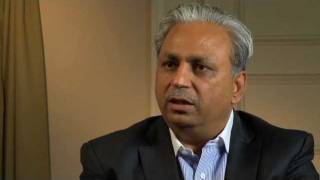
is no exception ESOP palar Krishnan CEO
00:00:20
and managing director of the
00:00:21
bangalore-based it giant was on campus
00:00:24
last week to deliver a Wharton
00:00:26
leadership lecture shortly before his
00:00:28
presentation he spoke with Wharton
00:00:30
management Professor Scott chodor about
00:00:33
a range of issues including the impact
00:00:35
of the credit crisis the role of
00:00:37
Acquisitions in the company's overall
00:00:38
strategy the nature of the competition
00:00:41
and the ways in which Indian
00:00:42
multinational corporations are making
00:00:44
unique contributions to the global
00:00:49
[Music]
00:00:56
Marketplace thank you very much for
00:00:58
coming here Mr gopalakrishna it's a such
00:01:00
a pleasure to have you here at Wharton
00:01:01
and my personal pleasure to be able to
00:01:03
have a conversation with you about
00:01:05
infosis and the Dynamics growth
00:01:07
strategies the world and uh how you
00:01:09
might see yourself uh I hope you've had
00:01:12
a pleasant visit so far and uh I thought
00:01:14
of just first starting by asking you
00:01:17
what is your vision for infosis see the
00:01:20
vision for the company has not changed
00:01:22
from when it was started uh the vision
00:01:25
was to create a respected coroporation
00:01:28
operating in global markets providing
00:01:31
the best of breed solutions to our
00:01:34
customers using best-in-class people so
00:01:37
that Vision has not changed and uh that
00:01:40
will continue to be the vision for the
00:01:42
company uh for us um you know the the
00:01:46
notion of a respected corporation uh is
00:01:49
what is driving um all the things we do
00:01:53
it allows us to focus on um you know
00:01:57
being world class it allows us to focus
00:01:59
on on providing the best return to our
00:02:03
investors being the best employer there
00:02:06
is and and and providing the best
00:02:08
services to our clients and how do you
00:02:10
achieve that I mean that's a a Grand
00:02:12
Vision a very multifaceted one how do
00:02:14
you plan to achieve it so every aspect
00:02:17
you know every aspect of the company is
00:02:19
touched by that Vision um so I'll give
00:02:21
you just one example you know every year
00:02:24
you know you have uh budgets being
00:02:26
prepared for the company and things like
00:02:27
that and now as part of that exercise we
00:02:30
ask every single Department within the
00:02:32
company to actually come up with two
00:02:35
ideas which will which will change the
00:02:38
way they uh do things it will have to
00:02:41
have an impact on let's say uh the
00:02:44
growth or the cost efficiency the brand
00:02:48
the positioning so they must come up
00:02:50
with two big Ideas every Department um
00:02:54
for example in the annual report we ask
00:02:56
what are the changes you're going to
00:02:57
make to the annual report so that it
00:02:58
continues to improve or in terms of
00:03:01
infrastructure and Facilities what are
00:03:02
the things you're going to do
00:03:03
differently this year than last year so
00:03:06
that forces uh the entire company to
00:03:09
think of continuous improvement enti
00:03:12
company to continuously innovate and
00:03:14
look for better and better returns and
00:03:16
things like so that's one of the ways
00:03:18
you know we we make sure that um we
00:03:20
implement this so Innovation obviously
00:03:22
is very much at the core and uh of this
00:03:25
whole thing both in process but also in
00:03:27
product perhaps right innovation um
00:03:30
being seen as a leader um trying to come
00:03:34
out with um um best practices or you
00:03:38
know next practices so all that is part
00:03:40
of this where do you see your company
00:03:43
going in terms of the products and
00:03:45
services that it offers I mean I know
00:03:47
that beyond the it and it enabled
00:03:49
Services we've seen a 4A into Bo that's
00:03:52
slowly becoming uh knowledge process
00:03:55
Outsourcing but we also see you dabbling
00:03:57
in Consulting and in R&D e Services
00:04:00
obviously much more higher end types of
00:04:02
services that you're targeting uh and
00:04:04
increasingly complex ones I imagine ones
00:04:06
where you need closer interaction with
00:04:07
your clients what do you think will be
00:04:09
the focus of your efforts um so in one
00:04:13
dimension the focus is to expand the
00:04:16
footprint broaden the set of services it
00:04:19
allows us to have larger relationship
00:04:22
with our clients it allows us to cross
00:04:24
sell multiple products and services to
00:04:26
our clients and create new engines of
00:04:28
growth it all also uh expands um uh the
00:04:32
addressable market so you know um
00:04:35
clearly you know we we we have much
00:04:38
larger market to address and so create
00:04:40
growth in you know growth opportunities
00:04:42
and things like that it also allows us
00:04:45
to um engage with the customer earlier
00:04:49
and earlier on with for example
00:04:50
Consulting it allows us to engage with
00:04:53
the business side of our customer
00:04:55
through our business process Outsourcing
00:04:56
and things so you know that that that is
00:05:00
the one uh one uh one um let's say one
00:05:04
level of uh growth in uh services and
00:05:07
things that the second um level of uh
00:05:10
growth in Services is to make sure that
00:05:14
um um you know we we we continuously
00:05:17
look at um um multiple entry points
00:05:21
multiple know it it enhances our sales
00:05:23
capability and things to that and over
00:05:26
time I see um you know enforces having
00:05:29
three different uh let's say line of U
00:05:33
business or Services uh one is um uh the
00:05:37
ability to help our clients transform
00:05:41
change um look at their um um new
00:05:46
initiatives and things like that so
00:05:48
that's the Consulting the development
00:05:50
and things like that uh it will be more
00:05:53
transactional um it has a separate uh
00:05:55
you know um business model the second is
00:05:58
helping them in in their business
00:06:00
operations um so maintenance BP uh
00:06:04
infrastructure management long-term
00:06:06
relationships long-term contracts um
00:06:09
maybe um you know price is a a a major
00:06:13
factor in uh determining you know the
00:06:17
the the service and things like the
00:06:18
third is uh intellectual property based
00:06:22
U Solutions products and things like
00:06:24
that finle is an example of that you
00:06:27
know finle is one of the leading uh core
00:06:30
banking or Universal banking solution in
00:06:32
the world today and we're selling it to
00:06:34
Banks around the world so there are
00:06:36
three sets of uh businesses sounds like
00:06:38
a fascinating Vision because uh what
00:06:41
you're also doing is uh covering both
00:06:43
peripheral but also gradually getting
00:06:45
towards the core of activities that
00:06:47
companies provide and perhaps helping to
00:06:49
redefine how corporations even think
00:06:51
about themselves and operate um as you
00:06:54
go for this you know if I hear you
00:06:55
thinking about these areas both the
00:06:57
backend types of operations which are
00:06:59
sometimes more peripheral in nature but
00:07:00
then also some of the key intellectual
00:07:02
property driven Innovation type of areas
00:07:04
which clients might want to pursue uh
00:07:06
tapping into expertise that you might be
00:07:08
able to offer in that process very very
00:07:11
fascinating um how do you see yourself
00:07:14
differentiating yourself um from the
00:07:17
other competitors either Indian
00:07:19
providers or the uh providers uh more
00:07:23
globally and and which do you see if I
00:07:25
may ask as the primary competitors in
00:07:27
that uh in that endeavor so today we
00:07:30
have two sets of competitors one is the
00:07:32
global system integrators um you know
00:07:34
the the Consulting companies or the the
00:07:36
you know the larger players out there
00:07:38
today and second set of competitors are
00:07:40
other Indian companies especially the
00:07:42
larger Indian companies and and and what
00:07:46
is happening in the industry is because
00:07:48
the models are converging all of us are
00:07:50
actually converging to the same space
00:07:53
and U you know the competition is
00:07:56
amongst us actually um by and large now
00:07:59
you know we we we see probably five or
00:08:02
six companies um you know whom we
00:08:05
compete most often and and that's the
00:08:08
set we're looking at um what is
00:08:10
happening in this industry is that um uh
00:08:13
there's a new leadership being created
00:08:15
and all of us are actually competing to
00:08:18
be seen as the leader in the
00:08:20
industry um it it it it actually gives
00:08:24
us an opportunity uh for for uh
00:08:28
positioning and for is um very
00:08:30
differently now the way uh we compete
00:08:33
you know at the at the you know there
00:08:35
are several uh several uh levels at
00:08:38
which we compete um the knowledge we
00:08:42
have of a particular industry the uh
00:08:44
Solutions we have for that industry know
00:08:47
that's one level of competition uh the
00:08:49
second is the quality of service we
00:08:52
deliver the predictability the ability
00:08:55
to um deliver uh Solutions on on budget
00:08:59
on time Etc so that's a second level of
00:09:02
comp you know differentiation of comp
00:09:05
you know how do we compete the third
00:09:07
level is the quality of the people who
00:09:09
are put on engagements Etc and how
00:09:13
knowledgeable they are and you know how
00:09:15
they're able to um how they're able to
00:09:19
provide value to the clients because
00:09:21
it's it's it's it's a knowledge based uh
00:09:23
service and things that and uh the next
00:09:26
level is um is you know the Investments
00:09:29
we make in building um um in Building
00:09:33
Solutions tools um techniques the models
00:09:36
we bring so for example the global
00:09:38
delivery model itself is a clear
00:09:40
differentiator uh in this space so uh
00:09:43
similarly in the software engineering
00:09:45
the cmmi you know model we have adopted
00:09:48
Etc so um the tools the techniques the
00:09:51
models Etc so those are again uh you
00:09:54
know uh how we compete so there are
00:09:56
multiple ways in which we can compete
00:09:58
and iate and of course the other Indian
00:10:01
competitors like the tcs's and Whos are
00:10:04
also trying to do the same right but uh
00:10:06
no how do you say yourself setting
00:10:08
yourself apart see every company of
00:10:10
course you know tries to position itself
00:10:12
along these Dimensions Etc now how you
00:10:15
deliver on these things how well
00:10:18
positioned you are uh that's clearly uh
00:10:21
you know how we differentiate and uh we'
00:10:24
have tried to make sure that um in all
00:10:26
these Dimensions we we we lead and or we
00:10:31
try to lead that's how we differentiate
00:10:32
ourselves oh fascinating and uh of
00:10:35
course you know the big three
00:10:36
competitors when always talks about on
00:10:37
the international realm are the ibms the
00:10:39
eds's accent for instance now how are
00:10:42
you going to build these capabilities uh
00:10:45
because that was implicit in your in
00:10:46
your comments how are you going to build
00:10:48
those capabilities that you do not yet
00:10:50
possess um of course the ones you have
00:10:52
you can incrementally improve but the
00:10:54
ones that you don't yet possess how do
00:10:56
you how do you go about building those
00:10:57
capabilities um
00:10:59
typically we would uh build new
00:11:01
capabilities organically so we would
00:11:03
recruit the relevant people with
00:11:05
experience conceptualize the solution
00:11:08
maybe conceptualize the solutions
00:11:10
slightly differently because everything
00:11:11
we do we want to embed the global
00:11:13
delivery model we want to um deliver the
00:11:17
work from the best possible location
00:11:19
with the best possible people you know
00:11:21
that's a underlying idea behind Global
00:11:24
delivery model so we want to embed the
00:11:27
global delivery model in everything we
00:11:29
do once we have understood once we have
00:11:33
established a a delivery model then we
00:11:36
can look at acquisition as a way to uh
00:11:39
accelerate the growth of a particular
00:11:41
service uh typically we will not enter
00:11:44
into a new service or a solution through
00:11:46
an acquisition because uh the acquired
00:11:48
entity may not have the desired model or
00:11:53
where we want take the model to if we
00:11:56
find somebody like that maybe we can
00:11:57
start with an acquisition so typically
00:12:00
you know you will find that we start
00:12:02
something we establish ourselves and
00:12:04
then we look at acquisition now uh when
00:12:08
it comes to intellectual property of
00:12:10
course we can look at acquisition and
00:12:11
finle has acquired um IP from outside
00:12:16
you know smaller uh smaller companies
00:12:18
Etc it makes sense to me I mean given
00:12:20
your emphasis on building a model and a
00:12:22
process around it it's very hard if
00:12:25
that's not very well aligned with a
00:12:26
potential Target to just bring in a
00:12:28
Target into that fold you know so if you
00:12:30
have established let's call it a
00:12:31
platform in a certain space to compete
00:12:33
in it then you can add on certain
00:12:35
competencies in order to be able to
00:12:37
leverage that platform further it's very
00:12:39
hard to bring in that platform and then
00:12:41
get it to mesh with the existing
00:12:42
Corporation especially because you have
00:12:44
a unique culture you have a process
00:12:45
orientation such a disciplined Focus um
00:12:48
and blending that especially if it's a
00:12:49
foreign company is not very easy and so
00:12:52
we of course hear all these wild rumors
00:12:53
every once in a while about potential
00:12:55
targets that are not doing well and
00:12:56
larger firms but uh infosis in
00:12:58
particular I think has been very
00:12:59
cautious in this in this thing but
00:13:01
doesn't this slow down uh your ability
00:13:04
to grow to some extent you know and uh
00:13:06
and find new avenues for growing at the
00:13:09
Double Digit type of rates that you're
00:13:11
accustomed to uh so when you look at um
00:13:13
our growth rate and compare that with
00:13:15
other companies we have not um um we've
00:13:18
not been behind you know we have
00:13:20
actually had industry leading growth
00:13:21
rates uh on an average we've grown 35%
00:13:24
over the last several years compound
00:13:26
annual growth rate of 35% which is an
00:13:29
leading growth rate for companies of our
00:13:31
size uh the reason why that is feasible
00:13:35
on one side you have the market our
00:13:39
market share is still less than 1%
00:13:41
overall when compared to overall it
00:13:43
Services spending and on the other side
00:13:46
we have figured out how to create a
00:13:48
supply chain you know how we can recruit
00:13:51
people bring them um uh into the company
00:13:55
you know bring them up to speed train
00:13:57
them Etc and then then make sure that
00:13:59
you know they can fuel this growth Etc
00:14:01
and all this is done uh using you know
00:14:05
an excellent um uh business uh planning
00:14:10
um you know mechanism we have uh so uh
00:14:13
we have we have we have actually
00:14:17
grown um you know grown over the years
00:14:21
you know using an organic model now
00:14:23
acquisition we see as a way to fill
00:14:26
strategic gaps if there are
00:14:29
um Acquisitions we see as a way to enter
00:14:32
new markets and because the service is
00:14:34
there but in order to enter a new market
00:14:37
you have to create some local delivery
00:14:39
capabilities for example Consulting
00:14:41
capabilities or local language cap frend
00:14:43
capabilities and that can be accelerated
00:14:46
through acquisition so that's probably
00:14:48
one of the one of the uh goals for um
00:14:52
for uh acquisition we've done one in
00:14:54
Australia which fits this model so
00:14:58
customers uh Geographic perhaps uh
00:15:00
expansion maybe even some domain
00:15:02
expertise yes that's also possible so
00:15:04
for example you know we can look at
00:15:06
let's say Healthcare or energy utilities
00:15:08
so those are the um those are the
00:15:10
targets we would look at typically
00:15:12
speaking of the market of course the
00:15:14
credit crisis and financial crisis is
00:15:16
weighing heavily on everyone's minds and
00:15:18
I'm sure on yours as well to some extent
00:15:20
what do you think the impact will be on
00:15:22
infosis uh on the Indian economy um do
00:15:25
you see much of an impact clearly there
00:15:27
is an impact in last year we grew 35%
00:15:30
this year we looking to grow you know
00:15:32
our projections are about 13 to 15% so
00:15:35
growth has uh slowed down uh the IT
00:15:38
services industry has slowed down in
00:15:40
India uh so that there has been an
00:15:42
impact overall Indian economy also has
00:15:45
seen an impact from a GDP growth rate
00:15:48
projected GDP growth rate of 8 9% it has
00:15:51
dropped down to 78% and maybe next year
00:15:54
it'll be somewhere around 7% so GDP
00:15:57
growth rate has slowed down
00:15:59
Capital has flown out of India which has
00:16:01
had an impact on the uh stock market and
00:16:04
things that so overall you know this has
00:16:06
had an impact in India also so you do
00:16:09
expect that growth will be a little slow
00:16:11
over the next year year and a half
00:16:12
perhaps um growth would be slower uh at
00:16:15
least you know this year it depends on
00:16:18
how long it takes to recover and how
00:16:20
long you know the recovery will take um
00:16:24
once I think stability comes probably
00:16:26
you will have a better um understanding
00:16:28
of the situation uh we feel that um once
00:16:32
stability comes once companies feel
00:16:34
confident to um look at um let's say new
00:16:38
projects new initiatives Etc then again
00:16:41
we will see a an opportunity to grow
00:16:45
even in this environment we are seeing
00:16:46
opportunities to work with companies on
00:16:48
M and integration type of work etc
00:16:51
because lot of companies have changed in
00:16:53
terms of
00:16:54
ownership a lot of companies have merged
00:16:57
and things like so that again gives us
00:16:59
an opportunity for uh services and I
00:17:01
noticed that you haven't uh certainly
00:17:03
resorted to layoffs but you're also not
00:17:05
slowing your hiring really that much and
00:17:07
it makes sense to me if this is a
00:17:08
temporary phenomenon and there's always
00:17:10
a battle for talent may as well take
00:17:12
advantage of the situation and continue
00:17:14
um bringing in and grooming those
00:17:16
individuals so that when things pick up
00:17:18
again more aggressively you can deploy
00:17:20
them accordingly right uh it's a longer
00:17:22
vision is that what how do we so we
00:17:25
we're still growing right you know um 13
00:17:27
15% is still um growth that's one aspect
00:17:31
of it second is um you know in in places
00:17:34
like India um you know there is a a a a
00:17:38
challenge from a society perspective if
00:17:41
you look at layoffs and things like it's
00:17:43
not um you know not seen very well um
00:17:48
and then the pressure from society is
00:17:50
significant the pressure from government
00:17:52
you know it's
00:17:53
not you know the labor laws are not you
00:17:57
know not the constraint but definitely
00:17:59
the pressure from the government is
00:18:01
there to say that you know don't resort
00:18:03
to layoffs and things like because that
00:18:05
creates impact on society and you know
00:18:08
in and and the perception of people
00:18:10
about business and things like that so
00:18:13
typically you will find that Indian
00:18:14
companies do not resort to layoffs Etc
00:18:17
and in our case um because the business
00:18:20
model is such that um we're able to um
00:18:24
able to sustain our margins to a
00:18:27
reasonable extent
00:18:28
uh in spite of higher uh bench lower
00:18:31
utilization you know we've decided to at
00:18:34
least for the time being um you know
00:18:38
lower the utilization but not you know
00:18:41
not worry about layoffs and things and
00:18:43
we still recruiting certainly and I
00:18:45
think you know new opportunities in the
00:18:46
domestic Market perhaps in other uh
00:18:49
Geographic uh areas and and the like and
00:18:52
as you keep on growing into new value
00:18:54
added Services they might be able to
00:18:56
absorb those as well so I can definitely
00:18:58
see how uh you would still be able to do
00:19:00
it so for just a shortterm thing you
00:19:01
would not never risk even the ill will
00:19:03
that might come as a result and we saw
00:19:05
Airlines in particular trying to attempt
00:19:07
to do something like that in India with
00:19:09
push back very quickly and it makes
00:19:11
sense I mean you don't need a long-term
00:19:13
if there were such a drastic situation
00:19:14
where you would expect for the next 10
00:19:15
years the situation would reti then it
00:19:17
makes sense to think about those things
00:19:19
but you can take a little bit of a
00:19:20
short-term uh concession in this regard
00:19:23
and and still uh have longer term impact
00:19:25
fascinating um just to close I wanted to
00:19:27
ask you what do you think will be the
00:19:30
Hallmark of the emerging Indian
00:19:33
multinational if any I ask because we
00:19:36
see when the Japanese companies made
00:19:37
their presence felt globally in the 80s
00:19:40
it was through uh a Rance focus on the
00:19:43
supply chain on just in time systems
00:19:45
that was one of the things they were
00:19:46
known for is there anything you think
00:19:47
that the Indian firms will be known for
00:19:50
can contribute to in terms of capability
00:19:52
building um and how corporations operate
00:19:55
management practices and the like so
00:19:58
indan companies have focused on
00:20:00
globalization of services so that's
00:20:02
definitely one of the contribution from
00:20:05
um uh Indian companies you know we have
00:20:08
um we have uh worked on it fine-tuned it
00:20:11
and made sure that you're getting higher
00:20:14
quality at lower cost and things like
00:20:16
that um and and and at you know lower
00:20:20
risk and things like that you know High
00:20:22
predictability um high quality and
00:20:25
things like that so that's definitely
00:20:26
something Indian companies have G
00:20:28
contributed today the same principle is
00:20:31
getting applied across multiple service
00:20:34
lines multiple business processes and
00:20:36
things like so that's one the the focus
00:20:38
on process discipline and processes
00:20:42
themselves again is something which
00:20:43
Indian companies have contributed um uh
00:20:46
just like you know Japanese companies
00:20:48
focused on manufacturing Indian
00:20:50
companies have focused on fine-tuning
00:20:53
Services you know we were one of the
00:20:55
first to uh take up the CMM model
00:20:58
and and and accept as an industry best
00:21:02
practice and things like so that's
00:21:03
another you know contribution from uh
00:21:05
Indian companies the third um um you
00:21:10
know third third focus is um really you
00:21:15
know um I think bringing in the concept
00:21:18
of um
00:21:21
um concept of efficiency to a different
00:21:25
you know level cost to a different level
00:21:27
and then how you can leverage that cost
00:21:30
as a growth driver or a growth engine
00:21:33
now this I think is just starting to
00:21:35
happen um when Indian companies compete
00:21:38
let's say a bank from India or a a
00:21:42
telecom company from India um because
00:21:45
they have figured out how at much lower
00:21:49
price points they can actually be more
00:21:51
profitable they can scale up and things
00:21:53
like and then when they go International
00:21:55
and start competing um other other other
00:21:58
companies in the same industry will have
00:22:00
to drop down to the same cost levels and
00:22:03
figure out how to do that so that I
00:22:05
think is going to have a significant
00:22:07
impact in the global um you know
00:22:09
economic environments around the world
00:22:12
um if if if others do not bring in the
00:22:16
same level efficiency what happens these
00:22:18
companies will have um higher market
00:22:21
caps and these companies will start
00:22:23
acquiring right and you have seen some
00:22:25
of that also starting to happen so you
00:22:28
know these are some of the things which
00:22:30
come to my mind uh from from an Indian
00:22:34
uh perspective fascinating and it really
00:22:37
if I may summarize those comments it
00:22:39
really seems to be that companies like
00:22:41
infosis are enabling the emergence of
00:22:44
the modern distributed uh virtual
00:22:47
corporation that operates and leverages
00:22:49
upon Global expertise 24 hours a day
00:22:52
seven days a week whether internal
00:22:54
expertise or external expertise and uh
00:22:56
you of course personify embody that in
00:22:58
how your organization is structured but
00:23:00
even for your client companies that is
00:23:02
how they're emerging and growing as they
00:23:03
increasingly take on globalization and
00:23:05
uh operate more as a as a cluster of uh
00:23:09
centers of expertise as opposed to a
00:23:10
centrally driven uh Corporation and I
00:23:13
see that very much being enabled by
00:23:15
companies like yourself thank you very
00:23:18
much I enjoyed the conversation thanks
00:23:20
very much for being here Mr
00:23:23
[Music]
00:23:26
gopalakrishna
00:23:31
[Music]