00:00:01
[Music]
00:00:03
this podcast is brought to you by
00:00:05
knowledge at Warton please visit
00:00:07
knowledge. won. up.edu for more
00:00:10
information additional support for this
00:00:12
podcast comes from Wharton Executive
00:00:14
Education for more information on
00:00:16
Wharton's new leadership programs
00:00:18
including creating and leading high-
00:00:20
performing teams and high potential
00:00:22
leaders accelerating your impact please
00:00:25
visit executive education. won.
00:00:28
up.edu
00:00:30
[Music]
00:00:33
as president and CEO of sap Americas
00:00:36
Bill McDermot is responsible for
00:00:38
managing the German software developers
00:00:40
strategic initiatives in the US Canada
00:00:43
Latin America and most recently in Japan
00:00:46
China and India sap America's
00:00:49
headquartered in New Town Square
00:00:51
Pennsylvania provides collaborative
00:00:53
Business Solutions to companies in 25
00:00:55
different Industries in a recent
00:00:57
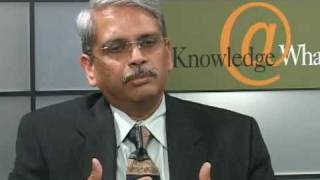
interview Wharton management professor
00:00:59
zott chod asked McDermot for his views
00:01:02
on where enterprise software is headed
00:01:05
and how the company has leveraged
00:01:07
worldwide resources to deliver its
00:01:09
services globally the two also discussed
00:01:12
sap America's relationship with
00:01:14
Microsoft and threats the company faces
00:01:17
from arch rival Oracle thanks so much
00:01:19
for coming bill it's a pleasure to have
00:01:21
you here and look forward to having a
00:01:23
conversation about Enterprise software
00:01:25
Trends the competition and the like
00:01:27
thank you sagot so what are your
00:01:30
thoughts on Enterprise software I mean
00:01:31
where is it headed where are the trends
00:01:34
where are you positioned in all that the
00:01:37
customer today wants a trusted innovator
00:01:40
and they are standardizing their
00:01:42
business processes on proven platforms
00:01:46
platforms that are well integrated and
00:01:49
Global any customer whether it's small
00:01:52
mid or large is Thinking Beyond their
00:01:55
Geographic boundaries beyond their
00:01:56
current markets they have to innovate
00:01:58
they have to grow so the Market's in
00:02:01
favor of big proven Brands and it's not
00:02:04
going to be nearly as friendly to small
00:02:06
riskier
00:02:08
plays yeah I think that uh makes a lot
00:02:10
of sense I mean I see a push towards
00:02:12
business intelligence for example why is
00:02:14
that there's a major uh gap between
00:02:18
strategy and execution if you talk to
00:02:21
most CEOs today and I do all the time
00:02:23
they have great strategies you can look
00:02:25
right behind their desk on the credenza
00:02:27
three ring three ring bound strategy
00:02:30
documents Galore and they're great the
00:02:32
issue that they all have though is how
00:02:34
do you execute that strategy so the real
00:02:37
art form is taking strategy to execution
00:02:41
and then renewing that loop on a
00:02:42
continuous basis business intelligence
00:02:45
actually allows you to do that how do
00:02:48
you get the data the information and the
00:02:50
knowledge in the hands of the executive
00:02:52
to make well-informed real-time
00:02:54
decisions mhm so if the era of internet
00:02:58
or web 1.0 was really about amassing
00:03:01
lots and lots of information getting
00:03:02
access to it maybe the 2.0 world will be
00:03:05
about using that effectively and uh
00:03:09
perhaps not as it won't be as difficult
00:03:11
to sift through data but it comes to you
00:03:13
in the form that you need it is that the
00:03:14
kind of uh Vision that that you foresee
00:03:17
exactly as an example when sap acquired
00:03:20
business objects we obviously did not do
00:03:23
so to acquire revenue or market share we
00:03:26
were already the market leader we did so
00:03:29
because it offered a platform agnostic
00:03:33
technology that could extract data and
00:03:36
aggregate data from any platform or any
00:03:38
source that is because the sea level
00:03:41
decision maker has to be in real time
00:03:43
and they have to have the knowledge at
00:03:45
their fingertips including mobile uh so
00:03:48
they can make those calls and Advance
00:03:50
their company now IBM also bought cognos
00:03:52
at that time or similar time so how's
00:03:54
that relationship going because you work
00:03:56
closely with IBM right IBM is a great
00:03:58
partner a very strategic friend to sap
00:04:01
and it's only natural that at times we
00:04:04
will have um co-opetition if you will in
00:04:08
these relationships and that's fine um
00:04:10
IBM provides a great service to their
00:04:12
clients and there will be times when
00:04:14
that's the right decision for IBM
00:04:16
clients and we fully accept that um but
00:04:19
never mistake the importance of IBM to
00:04:21
sap and I think sap to IBM MH speaking
00:04:25
of coopertition I mean Microsoft is
00:04:27
another company that you have an
00:04:28
alliance with um and I raised that not
00:04:31
just in terms of relationship but you
00:04:32
spoke of
00:04:33
platforms and you know there was a time
00:04:36
when people were talking wouldn't it be
00:04:37
nice to have an integrated platform back
00:04:40
office and front-end applications is
00:04:43
that just a dream well uh Microsoft
00:04:46
would be another example of a very
00:04:49
important partner and yes it is true in
00:04:52
certain segments of the market we do
00:04:53
compete but we see the importance of
00:04:56
connecting the desktop in the case of
00:04:59
Microsoft
00:05:00
to the Enterprise applications of sap
00:05:03
and create an experience for the
00:05:05
customer that is truly world class and
00:05:07
far more productive that is why we
00:05:10
co-innovate and developed a product that
00:05:12
we call duet which essentially links
00:05:15
that desktop and the Enterprise
00:05:17
applications of sap for example uh many
00:05:21
knowledge workers get up in the morning
00:05:23
they click into their email and they'll
00:05:25
be making decisions such as providing
00:05:28
someone a raise or giving them some time
00:05:30
off right in their email system wouldn't
00:05:33
it be nice if that was automatically
00:05:36
updated in the Enterprise HR System of
00:05:38
sap and we now obviously do that with
00:05:41
our product called Duet so Microsoft
00:05:43
again a very strategic partner and
00:05:45
friend sap MH so you see that as as a d
00:05:48
another Direction which all this could
00:05:50
head right yeah but you know what the
00:05:51
common theme is if it's in the best
00:05:53
interest of the customer you should do
00:05:55
it and there will be times where these
00:05:58
relationships will have strain on them
00:06:00
because of certain competitive scenarios
00:06:02
but you have to get past that because
00:06:05
we're big Brands we're Market leaders
00:06:07
and the customer deserves the best from
00:06:08
all of us so where's Google in all this
00:06:12
because everybody seems to think about
00:06:14
Google no matter what industry they in
00:06:15
these days but in particular it might be
00:06:17
relevant from the point of view that a
00:06:19
lot of applications are going to the web
00:06:21
uh it's becoming an alternative platform
00:06:23
how do you see this as an opportunity a
00:06:25
threat bit of both uh I think it's more
00:06:27
of an opportunity I think Google has
00:06:29
done a great job of providing
00:06:31
information to the Casual user and the
00:06:34
information worker and clearly the cloud
00:06:36
computing concept is something that's
00:06:39
here to stay and therefore Google has
00:06:41
created great search great cloud
00:06:43
computing and I think it's forced
00:06:45
everybody to think more productively
00:06:48
about that user experience and how you
00:06:50
can get that information into the user's
00:06:52
hand in highly productive lowcost ways
00:06:55
so credit to Google so do you think that
00:06:57
Google's limited to the casual user as
00:07:00
you phrase it or or do will that have
00:07:02
Enterprise uh implications as well well
00:07:04
I think there's going to be
00:07:05
collaborative relationships between
00:07:07
Google and search and some of the
00:07:09
Enterprise leaders like sap over time
00:07:11
and that's the way it should be because
00:07:13
I think again that'll give the customer
00:07:15
more yeah and you've sparked a thought
00:07:17
in my mind you know uh social networking
00:07:20
is another hot area Facebook and the ler
00:07:22
talked about a lot we think of it more
00:07:24
in the consumer sense but actually from
00:07:27
a human resource point of view people
00:07:29
management point of view uh allocation
00:07:31
to projects understanding capability
00:07:33
strength skills uh weaknesses and what
00:07:36
people are thinking that's also a
00:07:38
fantastic application for Enterprises
00:07:40
right yes it is in fact uh right here in
00:07:42
Philadelphia there are small companies
00:07:45
that are innovating today to provide
00:07:47
Facebook like services to Big
00:07:50
corporations and more and more they're
00:07:52
trying to extract from the Enterprise U
00:07:56
Market pull to their sites because they
00:07:59
think think they can help businesses
00:08:00
with things like advertising Affinity
00:08:04
networking and marketing Etc so that too
00:08:06
is a trend that is here to stay and
00:08:09
since you mentioned Philadelphia um what
00:08:12
is the role of sap America right now I
00:08:15
mean it's been evolving over time
00:08:17
paloalto has also built up a strong base
00:08:19
but that's been fluctuating over time as
00:08:21
well but that's an important center but
00:08:23
at the same time you're expanding in
00:08:25
Europe you're expanding in China India
00:08:27
and other uh markets as well and you're
00:08:29
setting up centers for R&D application
00:08:33
development all over the world how does
00:08:35
this all fit together yeah it's a good
00:08:37
question um development in Philadelphia
00:08:40
as an example is real it's also real in
00:08:43
Montreal and it's also real in Europe
00:08:45
and India and parts of China and um
00:08:49
Eastern Europe so what you're seeing now
00:08:52
is global development at SCP but SCP
00:08:55
America in the context of New Town
00:08:57
Square in particular m is a hugely
00:09:00
important site to us as we've created uh
00:09:03
thousands of jobs across the US in these
00:09:05
last 6 years we became the Undisputed
00:09:08
market leader and we also believe
00:09:10
strongly in given back to the community
00:09:13
I think if you've watched what we've
00:09:14
done here in Philadelphia whether it's
00:09:16
on the education side um with
00:09:19
organizations such as Kip and some of
00:09:20
the inner city schools and uh building
00:09:23
playgrounds with Kaboom and homes with
00:09:26
John Bon Joi we really tried to be part
00:09:28
of the community and we really believe
00:09:30
in that and recently I was with Jack
00:09:32
Welsh and we had a conversation on the
00:09:35
concept of giving back and it's
00:09:38
something that you can do when you're
00:09:39
winning right because you have something
00:09:41
discretionary to give back so we're
00:09:44
careful to explain that you know our
00:09:46
people love to do it and we love to help
00:09:48
them do it but keep winning that's the
00:09:50
key to doing it that enables you to do
00:09:52
that exactly yeah and from a business
00:09:54
point of view um having these multiple
00:09:57
centers around the world is obviously
00:09:58
very useful ful to develop in real time
00:10:01
247 how does this work seamlessly I mean
00:10:03
you've held different positions in
00:10:05
different parts of the world how do you
00:10:06
see this it's a 24x7 world I mean if you
00:10:09
think about the customer which is the
00:10:11
essence of everything I am that's the
00:10:13
DNA yeah the customer operates in a
00:10:16
global economy and they are operating
00:10:18
their business on a 24x7 basis so
00:10:21
whether it's active Global support
00:10:23
watching over their success 24x7 in
00:10:26
every corner of the world or it's sales
00:10:29
service Consulting and all the customer
00:10:31
facing activities you have to constantly
00:10:33
be on what I love about global is um
00:10:37
constantly being on in every single time
00:10:39
zone and constantly being in real time
00:10:41
on what's really going on in the world
00:10:43
so it's thrilling early morning calls
00:10:46
late night calls and the like it's
00:10:48
thrilling well you start out in the
00:10:49
morning with Europe and of course you
00:10:50
end the day with Asia yeah it's a fun
00:10:53
life I can see that and that's how they
00:10:55
start their day no that's now do you
00:10:57
also see midst this model um areas of
00:11:01
specialization developing so do certain
00:11:03
centers in different parts of the world
00:11:04
for instance focus on an area perhaps by
00:11:07
virtue of the skills that they have or
00:11:08
even the immediate requirements or needs
00:11:11
or are these all generic centers that
00:11:13
are emerging in Sap's case or even more
00:11:15
generally I think it's um it's a balance
00:11:18
um there may be a specific area of
00:11:21
expertise or a functionality that you're
00:11:23
focusing on and you might decide a
00:11:26
certain part of the world has the
00:11:28
knowled workers that immediately could
00:11:31
resource that and get it done so in that
00:11:34
in that context you might choose
00:11:35
something
00:11:36
geographically but more or less
00:11:39
horizontal service around the world is
00:11:42
the is the concept that we look at and
00:11:45
if you look at the jobs that we've
00:11:46
created in development for example over
00:11:49
these last several years the jobs in
00:11:51
Europe have actually stayed pretty
00:11:53
steady or pretty flat and they've
00:11:54
expanded
00:11:56
dramatically um in parts of Eastern
00:11:58
Europe but in particular in India and
00:12:00
China mhm I asked that in part because
00:12:03
IBM Microsoft Cisco you know peers in
00:12:07
terms of the stature in their various
00:12:09
segments as well appears to you um they
00:12:12
are setting up centers around the world
00:12:14
as well and and it seems to me that
00:12:16
they're trying to focus their energies
00:12:18
from the beginning on particular needs
00:12:20
so they're saying that okay initially
00:12:21
we'll do
00:12:22
development um which is for the local
00:12:25
markets and then we'll expand that
00:12:27
perhaps there are certain effic gencies
00:12:29
or cost requirements that they can meet
00:12:31
but they're not only intending the
00:12:32
output to be limited to of say a
00:12:34
technology to that local market but
00:12:36
something that can be used but just new
00:12:38
areas of innovation they wouldn't
00:12:39
otherwise be typically thinking about in
00:12:41
a San Jose or a Redmond or an arm is
00:12:45
this kind of how you think about this as
00:12:46
well or or is it different do you really
00:12:48
mean um you want all types of skill sets
00:12:52
represented at each Center no I think we
00:12:54
think about it similar to some of the
00:12:56
big names that you just mentioned um for
00:12:59
example if you're innovating in a
00:13:01
certain area and you have to staff
00:13:03
something up quite quickly um You Want
00:13:06
To Source New Pools of talent and
00:13:08
clearly that's an opportunity to do that
00:13:11
you may also look for pools of talent to
00:13:13
better support existing customers in
00:13:16
some cases even back office functions in
00:13:18
a more economical and productive way um
00:13:21
clearly when it comes to thought
00:13:23
leadership when it comes to the
00:13:25
economics of serving an existing
00:13:27
customer base that is real Innovation
00:13:30
going on in places like India today you
00:13:32
have an interesting dual role because
00:13:34
you're of course head here of the US
00:13:35
operations at the same time you're in
00:13:37
the overall uh executive board as well
00:13:39
so you do have to keep the perspective
00:13:41
of how the operations around the world
00:13:43
function in uh concert with what you
00:13:45
have set up here so I think that gives
00:13:47
you the perspective at both the local
00:13:49
level as well as the global level it's
00:13:51
true but we've always thought globally
00:13:53
um even six five six years ago we were
00:13:56
Outsourcing a lot of work and and a lot
00:13:59
of knowledge work important work some of
00:14:01
it that we brought back to the United
00:14:03
States um in Far Away places like India
00:14:05
and even China so it's always been in
00:14:08
our thinking to be Global we've also
00:14:10
done this in places like Brazil where we
00:14:13
set up certain um customer support
00:14:15
centers and localization centers one of
00:14:17
the really important things that you
00:14:19
need to do well in large Enterprise
00:14:21
software is make sure you're localizing
00:14:23
the product and the application to the
00:14:26
customer ultimately that's going to use
00:14:28
it m um a lot of folks don't realize
00:14:30
this but in Far Away places from the
00:14:32
United States most of the largest
00:14:35
competitors are local competitors
00:14:37
they're not big well-known brands in the
00:14:39
US so having that Savvy around what's
00:14:42
really going on in local markets is key
00:14:44
to us and I think the nature of the
00:14:45
firms so for example you know here
00:14:47
you're probably used to the largest of
00:14:49
customers if you go to a lot of Emerging
00:14:51
Markets you have a lot of the small and
00:14:52
mediumsized Enterprises who can't always
00:14:55
hire so many consultants to be able to
00:14:57
implement these Solutions so they need
00:14:59
an approach um that will also work for
00:15:02
them give them the effectiveness they
00:15:03
need um while at the same time being
00:15:05
cost efficient as well you're absolutely
00:15:07
right and some of the best business
00:15:09
practices that we have now for small and
00:15:12
midsize customers actually came from our
00:15:14
asia-pacific operation because the
00:15:17
notion of prepackaged industry specific
00:15:20
ready to run applications with a fast
00:15:23
time to Value fuse actually came from
00:15:26
emerging markets and then we brought
00:15:28
those ideas and syndicated them in
00:15:30
places like the US where you could
00:15:32
better serve the small midsize customer
00:15:35
over here so Innovation it's fascinating
00:15:38
because it comes from every part of the
00:15:39
world the the big idea is best ideas
00:15:44
exist somewhere in the world at all
00:15:46
times the art form is aggregating them
00:15:49
and scaling them across the world at all
00:15:51
times yeah no I think that's a wonderful
00:15:53
way of putting it because earlier there
00:15:54
was more of a model where there's some
00:15:57
sort of headquarters or Center and
00:15:59
everything else is distributed and
00:16:00
adapted locally rather than ideas coming
00:16:04
from local places and because there are
00:16:07
certain needs or pressures that are
00:16:09
being faced and then they can be
00:16:10
aggregated and scaled in some way and
00:16:11
adapted to also be used in other markets
00:16:13
also I I agree totally and also the
00:16:16
talent if you have great talent and a
00:16:18
best business practice for example with
00:16:21
large Enterprise that works beautifully
00:16:23
in the US it will work in Japan yeah it
00:16:26
will work in India it will work in China
00:16:28
yeah so don't hesitate to
00:16:31
cross-pollinate those Business Leaders
00:16:33
and move them let them get crossborder
00:16:37
experiences let them adapt to new
00:16:38
cultures and new languages and new ways
00:16:40
of doing things they become fantastic
00:16:42
Executives then when they come back to
00:16:45
the United States as an example or
00:16:47
Europe they bring Rich experience and
00:16:50
when you see a person that's done that
00:16:52
if they left on in the Year 2005 and
00:16:55
they came back in the year 2008 you can
00:16:57
hardly recognize
00:16:59
right they're so polished they're so
00:17:01
much more complete they think so much
00:17:03
bigger and so much more globally so
00:17:05
we've gotten pretty good at moving
00:17:07
people to new locations and letting them
00:17:09
innovate and grow that's a key mechanism
00:17:11
I mean since we're on the topic of
00:17:12
strategy you let me ask you about Sap's
00:17:15
growth strategy I mean there are some
00:17:17
interesting um models which are in your
00:17:20
industry you know you have on the one
00:17:22
hand an oracle which has been
00:17:24
aggressively pursuing the acquisition
00:17:26
based path you on the other hand have
00:17:28
been more conservative and have filled
00:17:31
gaps but mainly pursued an organic
00:17:33
growth strategy and I think a few years
00:17:35
ago it was uh it was even more
00:17:37
interesting because you people had said
00:17:39
oh all these Oracle Acquisitions
00:17:41
building an integrated platform out of a
00:17:44
seble and PeopleSoft and JD Edwards and
00:17:46
so forth is going to be a very very
00:17:47
challenging task but they also seem to
00:17:50
be making some good progress from what
00:17:51
one hears it quite hasn't been the the
00:17:54
uh disaster that some people had
00:17:57
predicted but where do you view this and
00:17:59
and uh going and how do you view your
00:18:01
strategy in that context well the one
00:18:03
number one competitive Advantage for sap
00:18:06
over um a company like Oracle is
00:18:10
integration we design the application
00:18:13
from the ground up to be integrated
00:18:16
across business processes end to end and
00:18:19
we do that in 26 distinctly different
00:18:21
Industries so for example if you're in
00:18:24
the consumer products business and you
00:18:26
want to implement in order to cash
00:18:28
business process you know that sap
00:18:31
designed that with Engineering in mind
00:18:33
from end to end and it's ready to run
00:18:35
out of the box sadly for companies like
00:18:38
Oracle they have to interface things and
00:18:42
deal with very complex implementations
00:18:44
because none of that has been engineered
00:18:46
by Design and there may be different
00:18:48
pieces of different Acquisitions all in
00:18:51
the same solution and customers really
00:18:53
have to navigate through that it's very
00:18:55
costly to do that for the customer it's
00:18:57
very risky to do that for the customer
00:18:59
and I think that's why Oracle continues
00:19:01
to lose market share as it relates to an
00:19:04
sap it's difficult to create that
00:19:06
Universal platform which will bring all
00:19:08
these pieces together I mean not
00:19:09
everything's so modular that you can
00:19:11
just plug these pieces uh and and move
00:19:14
forward so you seem fairly confident
00:19:15
about the strategy of sap going forward
00:19:17
and where are you headed next well don't
00:19:19
forget or Oracle as an example has
00:19:22
acquired all their growth M
00:19:24
unfortunately for the customer none of
00:19:26
that has been integrated on a common
00:19:28
platform sap has acquired all of its
00:19:32
growth through an organic growth
00:19:33
strategy where are we going we're going
00:19:36
to continue to do what we've been doing
00:19:38
organically for 35 years as the market
00:19:40
leader two times larger than the number
00:19:43
two but we'll also do that now for small
00:19:46
and mid siiz customers because there's a
00:19:49
lot of growth there we'll do that for
00:19:51
business users um as evidenced by the
00:19:54
business intelligence move and our
00:19:57
acquisition of business business objects
00:19:59
because it really helps the sea level
00:20:01
decision makers close that strategy to
00:20:03
execution Loop we talked about earlier
00:20:05
so think of us as a company that's going
00:20:07
to lead in small mid and large companies
00:20:10
as their platform their standard
00:20:11
platform of choice in 26 Industries
00:20:14
think of us as expanding with small and
00:20:16
midsize clients all around the world and
00:20:19
think of us as the company that appeals
00:20:21
to that business user within an
00:20:23
Enterprise with new and innovative
00:20:25
solutions such as business objects yeah
00:20:28
sounds like a fascinating road ahead and
00:20:31
wish you the best of luck as you pursue
00:20:32
those Endeavors greatly appreciate your
00:20:35
uh questions today and thanks very much
00:20:37
for enj the
00:20:39
conversation for more information please
00:20:42
visit knowledge. won. up.edu
00:20:46
[Music]