00:00:01
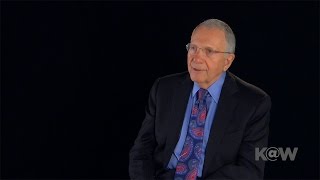
we're here today with Howard Stokoe
00:00:03
former CEO of the Wawa chain of
00:00:05
convenience stores Wawa the Ojibwe word
00:00:07
for Canada Goose and the name of the
00:00:09
Pennsylvania town where the headquarters
00:00:10
are located is celebrating its fiftieth
00:00:12
anniversary this year Stowe Cole's new
00:00:14
book the Wawa way describes the
00:00:16
company's history and the secrets to its
00:00:18
success Howard thanks so much for being
00:00:20
with us today Joe thank you for having
00:00:21
me here today so what will begin its
00:00:23
life as a dairy company that actually
00:00:25
delivered milk and other products in the
00:00:27
Philadelphia area but as times change
00:00:29
the business model was threatened how
00:00:31
did the owners decide to change the
00:00:33
company strategy well that's never an
00:00:35
easy decision and I'd have to say there
00:00:37
wasn't a strategic plan or anything of
00:00:39
that nature in place but the fact was
00:00:41
that people had less dairy products
00:00:43
delivered to their home and the dairy
00:00:45
business really started as a hobby you
00:00:47
know back at the turn of the century
00:00:48
around 1900 when George would move to
00:00:52
Wawa Pennsylvania and bought a dairy up
00:00:54
the street and that was before
00:00:55
pasteurization and the dairy grew a bob
00:00:58
was very successful but as people didn't
00:01:01
want as much home delivery the question
00:01:03
was what do you do with this dairy now
00:01:05
the company believed in
00:01:07
servant-leadership
00:01:08
even though we didn't call it
00:01:09
servant-leadership at the time that the
00:01:11
people who made the company great we had
00:01:13
to take care of in graham wood who was
00:01:15
the leader of the family and the
00:01:16
business at that point said how do I
00:01:18
preserve these jobs how do I keep this
00:01:21
dairy going the answer was let's open
00:01:23
retail stores rather than sell to other
00:01:26
stores and not be certain whether you
00:01:28
could sustain the business long term
00:01:30
create your own retail store he went out
00:01:32
to Ohio worked in a store he had a
00:01:35
friend out there the head convenience
00:01:36
stores came back and convinced the
00:01:39
family and it took some convincing at
00:01:41
that time to open the first Wawa store
00:01:43
and it took some convincing to get a
00:01:45
bank loan to support that first store so
00:01:48
the rest is history
00:01:49
here we are 50 years later and the
00:01:52
Wallow of business has become an
00:01:53
enduring and enduring business and in
00:01:56
the book you mentioned that some of was
00:01:58
chief competitors today our mcdonalds
00:02:01
dunkun doughnuts at Exxon Mobil now
00:02:03
those are three very different companies
00:02:05
with three really distinct markets how
00:02:07
is why able to straddle all three of
00:02:09
those successfully well it's interesting
00:02:11
now when I think about Wow
00:02:13
and I spent over 25 years active at one
00:02:17
of full-time basis you know I think
00:02:18
about Wawa here's this company with this
00:02:20
funny name from Wawa Pennsylvania who
00:02:23
has been able to compete with some of
00:02:25
the biggest companies in the world and
00:02:27
here in Philadelphia you know we have as
00:02:30
much market share if not more market
00:02:32
share than those companies that you
00:02:34
mentioned and the interesting thing is
00:02:36
we've stayed true to ourselves we
00:02:38
believe in private ownership we never
00:02:40
want to go public because we want to
00:02:42
take a long term point of view we
00:02:44
believe in sharing ownership with the
00:02:46
people who deliver the Wawa brand our
00:02:48
associates they own 38% of the company
00:02:52
and as I mentioned we believe in servant
00:02:54
leadership we want other people's dreams
00:02:56
to come true we want to empower other
00:02:58
people to achieve their objectives and
00:03:01
to help the communities we serve so
00:03:04
we've been able to stay true to
00:03:05
ourselves we haven't taken Wall Street
00:03:07
money today we don't really have private
00:03:10
equity I mean we're owned by a trust
00:03:12
button of the wood family and we're
00:03:14
owned by our associates and some of the
00:03:17
executives in the company so that's a
00:03:19
wonderful world when you work for
00:03:21
yourself and you don't have outside
00:03:23
influences and we're able as I mentioned
00:03:26
to take that long term point of view we
00:03:28
don't have quarterly reports that we
00:03:30
have to send to Wall Street we don't
00:03:32
have to worry about our stock price
00:03:33
every day every quarter you know if we
00:03:35
want to make a major investment in the
00:03:37
business for example we're opening
00:03:38
stores in Florida that is a long-term
00:03:41
investment you don't make money for the
00:03:44
first couple years and you have to make
00:03:46
a major commitment when you go to a new
00:03:49
market of that nature as a privately
00:03:51
held company you can do it if you're
00:03:53
willing to withstand some short-term
00:03:56
loss for a long-term gain so we stay
00:03:59
true to ourselves and that's what I
00:04:01
think this book is all about that
00:04:03
businesses can stay true to their belief
00:04:05
system yet compete with some of the
00:04:08
biggest companies in the world now one
00:04:10
of the things that we've always done is
00:04:11
cluster stores people say there what was
00:04:15
everywhere here in Philadelphia you know
00:04:16
I can't drive down route 30 in New
00:04:18
Jersey and not see a Wawa every mile or
00:04:20
two we cluster stores because it makes
00:04:23
us bigger than we appear and even though
00:04:25
McDonald's and star
00:04:27
and ExxonMobil are much bigger companies
00:04:30
we appear to be big like they are
00:04:32
because we pick and choose where we go
00:04:34
we've never wanted to be a national
00:04:36
company we've never wanted the license
00:04:38
we've never wanted the franchise we want
00:04:40
to be important to the communities that
00:04:42
we serve
00:04:42
so we serve the mid-atlantic communities
00:04:45
here in five states and now we've
00:04:47
entered the Florida market last year and
00:04:50
we're happy to say that we're doing very
00:04:51
well in Florida now you mentioned you
00:04:53
mentioned going into going into Florida
00:04:55
in 2012 and one of the things you write
00:04:57
about in the book is that Home Depot and
00:04:59
cows played a really big part can you
00:05:01
describe why well you know you look for
00:05:03
big-box retailers and if you have open
00:05:06
fields next to these big-box retailers
00:05:09
it's a great place to go because you
00:05:11
know if you build it they will come and
00:05:13
the Home Depot's and the other big-box
00:05:15
retailers they do their homework they
00:05:18
know where the growth is so that's where
00:05:20
we want to be and as we look for a new
00:05:22
market and every company has to grow to
00:05:25
create shareholder value and in our
00:05:27
mid-atlantic market there's still room
00:05:28
for growth and we're opening 25 stores a
00:05:30
year but we had the capability
00:05:32
financially of opening 50 stores a year
00:05:35
so we needed more dirt we needed more
00:05:38
real estate we needed more geography and
00:05:40
in Florida we found open spaces next to
00:05:44
big-box retailers where we can grow our
00:05:46
brand and the results are very good we
00:05:49
went to Orlando
00:05:50
open the first store and SeaWorld and we
00:05:53
figured if we went to Orlando a creative
00:05:55
magic for Disney we hoped it would
00:05:57
create magic for Wawa as well and now
00:05:59
you had some interesting things in the
00:06:01
book of how people actually lined up
00:06:02
around the block to get into what it
00:06:04
opened well I was there on that day and
00:06:06
actually I woke up early that morning I
00:06:09
was so excited I turned on TV and there
00:06:11
were the local TV stations there at
00:06:14
three four o'clock in the morning doing
00:06:15
remotes and all these people were there
00:06:17
they had camped out you know a night
00:06:20
before because they wanted to be there
00:06:22
when that store open and these were
00:06:24
people that had relocated from this
00:06:26
marketplace in Philadelphia to Orlando
00:06:29
and they wanted to be with their when
00:06:30
their first Wawa store opened up in
00:06:32
Orlando and we had a lot of people that
00:06:34
came from Philadelphia down to Orlando
00:06:36
to be part of that experience as well it
00:06:39
was quite a happening
00:06:40
it was beyond what we ever expected it
00:06:43
was a tribute to our people you know
00:06:44
they transported the brand south and we
00:06:47
transported and relocated a lot of our
00:06:49
leadership people to Florida because the
00:06:51
most important part of our success in a
00:06:53
new market is our culture you know it's
00:06:55
our value system and if you don't have
00:06:57
people who truly understand the value
00:06:59
system and can hire people that embody
00:07:01
that value system the wah wah experience
00:07:04
wouldn't be the same there as it is here
00:07:06
in Philadelphia and I'm happy to say
00:07:08
that the wah wah experience in Florida
00:07:10
is every bit what it is here in the
00:07:13
mid-atlantic market where it's been for
00:07:15
50 years now I mean I guess those people
00:07:17
lining up around the block it kind of is
00:07:19
a good example of how people feel they
00:07:21
feel very strongly and very passionately
00:07:23
about wawas and about many of its
00:07:25
products I mean it's not just a Wawa
00:07:27
it's my Wawa and I have a friend that
00:07:28
one time said Wawa is my Graceland for
00:07:31
example so I guess how does that I mean
00:07:33
how does that figure into your
00:07:34
decision-making I mean for example to
00:07:36
close a store because it's not just a
00:07:37
what somebody's daily while our to
00:07:40
discontinue a product I mean what are
00:07:42
you when you think about that how do you
00:07:43
well you know closing stores is always
00:07:46
very difficult because we become part of
00:07:48
our customers lives you know we want to
00:07:50
fulfill their daily lives by being there
00:07:52
for them each and every day even though
00:07:55
it may only be for four or five minutes
00:07:56
and when you come into wha book for that
00:07:58
cup of coffee in the morning or for that
00:08:00
snack or for whatever purpose you come
00:08:02
to Wawa for it can be an uplifting
00:08:04
experience you know I always refer to
00:08:07
that as the chairs of convenience stores
00:08:08
a place where you're known by name
00:08:10
a place where you have a good experience
00:08:11
and it helps you get through the day
00:08:14
so we're a habit-forming business and
00:08:16
when we do vacate a community to
00:08:18
relocate down the street because we've
00:08:20
outgrown the store it's yesterday's
00:08:22
business and we have to position
00:08:24
ourselves for the future it's tough and
00:08:26
you know communities get very concerned
00:08:28
when we do it but they adjust to it
00:08:31
because they find the other stores not
00:08:32
too far down the street and the other
00:08:34
store is bigger has more throughput has
00:08:36
more to offer as gasoline and if you
00:08:39
don't constantly reinvent yourself you
00:08:42
don't succeed and had we not reinvented
00:08:44
ourselves multiple times throughout our
00:08:47
history we wouldn't be here today I
00:08:49
remember you know when I joined the
00:08:51
company back in 1987 we were
00:08:53
owning small stores 3,000 square foot
00:08:55
stores with 20 parking places we didn't
00:08:58
have gas we didn't have a lot of food
00:09:00
service to go yes we had deli in produce
00:09:02
many of our products made it home to the
00:09:04
kitchen but today most of our products
00:09:06
are consumed in the car we fuel people
00:09:09
and we fuel cars and we feel people with
00:09:12
cash because we have no surcharge ATM
00:09:14
machines as well so we're therefore
00:09:17
customers on a daily basis and we become
00:09:19
habit-forming we become part of their
00:09:21
daily routine in their lives and that's
00:09:23
what makes the Wawa brand so special now
00:09:26
in the book you also write about how you
00:09:28
mentioned having gas and then also
00:09:30
coffee I guess is another big thing they
00:09:32
while was actually kind of ahead of its
00:09:33
time and introducing gas pumps and then
00:09:35
also coffee but initially it failed and
00:09:38
then succeeded the second time around is
00:09:40
what did you learn from those
00:09:41
experiences well you know we always talk
00:09:44
about our failures because we learn from
00:09:46
our failures just because something
00:09:47
doesn't work the first time it doesn't
00:09:50
mean it's not going to work down the
00:09:51
road for example 20 years ago I went to
00:09:54
Seattle when Starbucks was really taken
00:09:57
Seattle by storm studied the expresso
00:09:59
market and we came back and at about 15
00:10:02
stores open expresso bars it didn't work
00:10:04
we were ahead of our time for Wawa our
00:10:08
success isn't being on the bleeding edge
00:10:10
its mainstreaming popular concepts and
00:10:14
we have to wait for things to become
00:10:15
popular before they work at Wawa we were
00:10:18
in the gas business at one point way
00:10:21
back when in 1970s but we had small lots
00:10:24
with two or three gas pumps and we got
00:10:26
out of the gas business but then we
00:10:28
reinterred the gas business in the 1990s
00:10:33
so you just never know you can never
00:10:35
give up just because you failed once
00:10:37
doesn't mean you're not going to succeed
00:10:39
the second time around so many of our
00:10:42
greatest successes came out of
00:10:44
disappointments and failures you learn
00:10:46
you move on so we constantly talk about
00:10:49
failures what we can learn from failures
00:10:51
and that doesn't stop us from doing in a
00:10:53
second or third time we've come back
00:10:55
with you know specialty hot beverages
00:10:57
and now they're very successful in our
00:10:59
stores guess we came back with and now
00:11:01
we have a 1.7 percent market share of
00:11:04
all gas sold in the United
00:11:06
dates and we only have stores in six
00:11:08
states now another thing I had read a
00:11:11
2011 story in Philadelphia magazine I
00:11:14
think it was called it's a wah wah world
00:11:15
and one of the things that was really
00:11:17
fascinating about that is just talking
00:11:19
about they talked a lot about how the
00:11:20
store is really designed for maximum
00:11:22
efficient instance II I think you
00:11:23
mentioned getting people in and out in
00:11:25
four or five minutes can you explain how
00:11:26
this is done and kind of the research
00:11:28
that goes into this and the changes that
00:11:30
have been instituted as a result
00:11:32
well customers are Time starpha no one
00:11:34
has access time today and we are a
00:11:36
convenience retailer with high quality
00:11:39
food so we can do do need to get
00:11:41
customers in and out quickly so we have
00:11:44
an operations engineering function and
00:11:46
they study everything they studied the
00:11:47
flow of the parking lot they study the
00:11:49
full of traffic inside the store they
00:11:51
study the layout of coffee you know
00:11:54
going back in time we had one coffee
00:11:56
location where coffee was brewed where
00:11:59
it was in canisters and coffee was
00:12:01
poured into the customers cup now we've
00:12:04
separated it into multiple locations
00:12:06
because we needed the throughput we
00:12:08
study how long it takes a you know a
00:12:10
customer to pour a cup of coffee
00:12:11
how many creamers how many sugars how we
00:12:13
can make the layout more efficient
00:12:15
because speed is everything we want to
00:12:17
save our customers time we want to give
00:12:20
them a quality experience on the other
00:12:21
hand you know our economic engine is
00:12:24
getting more customers through the store
00:12:26
and if we're slow we're gonna get less
00:12:29
customers through the store we love
00:12:31
customers four or five minutes at a time
00:12:33
because we're like to spread our love to
00:12:35
the next group of customers that come in
00:12:37
word a low ticket business you know it's
00:12:39
a $5 ticket business at best so if you
00:12:42
don't have a lot of customers you can't
00:12:44
make money and you can't reinvest in the
00:12:46
business and give back to the
00:12:47
communities now I'm one thing I noticed
00:12:50
about some of the new designs of the
00:12:51
stores is they've kind of gotten rid of
00:12:52
the circular cash wrap in favor of more
00:12:54
of a grocery store style one what do you
00:12:57
have any insight about like why that was
00:12:58
done well you know we're upgrading our
00:13:00
image
00:13:01
you know our food is high-quality food
00:13:03
it's really restaurant quality food to
00:13:05
go and we want to showcase that food so
00:13:08
when you walk into our newer stores
00:13:09
today you don't see a big checkout
00:13:11
counter or a service center you see the
00:13:13
kitchen you see hot beverages you see
00:13:15
cold beverages you see the Wawa Express
00:13:18
case with
00:13:18
in salads and cut fruits and veggies
00:13:21
snacks that's what we're going to be
00:13:22
known for that's what we want to stand
00:13:24
for so today you know we have really
00:13:26
changed the ambiance of our stores to be
00:13:29
more appealing from a quality in a food
00:13:32
service standpoint I'm hungry I'm
00:13:34
thirsty
00:13:35
you know appetite appeal is very
00:13:37
important when you walk into that store
00:13:39
we sill still sell many of the products
00:13:41
we used to sell but we've reemerge
00:13:43
enticed the store to focus on what
00:13:45
really is important to the business
00:13:47
strategically and that's food service
00:13:49
now how do you I guess how do you road
00:13:51
test new food products like how do you
00:13:53
figure out that there's a big demand for
00:13:54
example for fresh-cut mango in like the
00:13:57
fresh food area like how do you road
00:13:59
test and things okay we're always
00:14:00
testing new products and again we're not
00:14:02
in the leading edge you know we
00:14:04
mainstream what customers want so we do
00:14:07
focus groups we do quantitative research
00:14:09
we do qualitative research we certainly
00:14:11
look at what our competitors are you
00:14:13
know doing and we test and you know
00:14:16
we'll find out what the customers what
00:14:18
and what the customers don't want most
00:14:20
of the products that we have are
00:14:21
frequent their immediate they're quick
00:14:23
they're easy and they're appetizing so
00:14:26
they have to kind of fit that filter to
00:14:28
find their way into a Wallis store and
00:14:31
we want to simplify our customers lives
00:14:32
so we have to be able to deliver very
00:14:34
quickly so some things we try doesn't
00:14:38
work we'll discontinued other things we
00:14:40
do on a small basis in a group of stores
00:14:42
then we expand it and if it succeeds we
00:14:45
take it out to the entire chain now what
00:14:47
has been I guess first of all the most
00:14:49
surprising success and then maybe was
00:14:52
surprising failure in terms of that well
00:14:54
I think when I look back in time we went
00:14:57
through a difficult time in the late 80s
00:14:59
and early 90s called the dark days the
00:15:01
economy was tough and at that time
00:15:03
convenience retailers were charging a
00:15:05
premium for convenience and competitors
00:15:09
were opening additional hours
00:15:11
supermarkets and drug stores and people
00:15:13
didn't want to pay a premium for
00:15:15
convenience so we had to rethink our
00:15:17
business and we rethought the business
00:15:20
by one lowering prices our major
00:15:21
commodities which worked very well for
00:15:23
us but at the time we didn't have as
00:15:26
much credibility in our own foodservice
00:15:28
brand as we do today so we thought we
00:15:30
needed the brands of
00:15:32
and we actually co-branded with dunkin
00:15:34
donuts and we had dunkin donuts in all
00:15:36
of our stores we had Krispy Kreme and
00:15:38
stores where we didn't have dunkin
00:15:40
donuts
00:15:40
we had taco bell's and probably a
00:15:42
hundred and fifty stores Pizza Hut's in
00:15:44
some stores and that failed miserably
00:15:46
because customers said we want your
00:15:49
product our Associates said we don't
00:15:51
want to make the products of others we
00:15:53
want to make Wawa products so even
00:15:55
though we did some initial research and
00:15:57
it was a little bit hazy as to whether
00:15:59
or not these concepts would work there
00:16:01
was a trend in the convenience store
00:16:02
industry to co-brand that was a
00:16:05
miserable failure we took every Taco
00:16:07
Bell out we took every Pizza Hut out we
00:16:09
took every dunkin donut unit out but
00:16:12
what it taught us was to think like a
00:16:15
major retailer in a national brand
00:16:17
because if you have those brands and
00:16:20
your stores you've got to make your
00:16:22
brand whether it be coffee or hoagies or
00:16:24
food service come up to a higher level
00:16:26
those failures those disappointments put
00:16:29
us on an entirely different journey to
00:16:32
focus on the Wawel brand and always said
00:16:34
I wanted to be the Trader Joe's of the
00:16:36
convenience store industry and be known
00:16:38
for Wawa branded products and that's the
00:16:41
journey that we've been on so that's
00:16:43
been a big disappointment it was a
00:16:44
disappointment at the time but it became
00:16:46
a big success
00:16:48
you know gasoline as I mentioned the
00:16:49
first time around was a you know a
00:16:51
failure did not work but we came back
00:16:54
and now we have the number one market
00:16:57
share in all those counties where we
00:16:59
have stores for gasoline because we
00:17:01
thought big big sights big gas and we
00:17:04
priced it to save the company the
00:17:06
customers money now has there been a
00:17:08
particular product that just the level
00:17:10
of public obsession with it has kind of
00:17:12
come as a surprise to you like the
00:17:13
reading in the book about how people
00:17:15
feel so passionately about the I
00:17:16
passionately about the iced tea what I
00:17:19
see has incredible college kids its
00:17:21
college students love iced tea and they
00:17:24
ask for the iced tea the first thing
00:17:25
that come home or parents in some cases
00:17:27
ship on my state you know one of the
00:17:29
smaller ones that people have an
00:17:31
affinity to is the turkey gobbler you
00:17:34
know the turkey gobbler hoagie the
00:17:36
turkey gobbler Bowl during the fall
00:17:39
season turkey mashed potatoes stuffing
00:17:41
and gravy
00:17:43
do you get that I mean you don't go to
00:17:45
McDonald's or Burger King or Starbucks
00:17:48
or Dunkin and get something of that
00:17:49
nature comfort food that makes you feel
00:17:52
good and that one has always surprised
00:17:54
me in terms of how customers has such a
00:17:57
strong affinity to the turkey gobbler
00:18:00
and I recently I recently actually heard
00:18:02
a talk by a vice president Walgreens he
00:18:04
was talking about their efforts to
00:18:06
redesign some of the Duane Reade
00:18:07
pharmacies in New York City and one of
00:18:09
the things that he said that really
00:18:10
struck me was is that it doesn't matter
00:18:12
how much you redesign something if the
00:18:14
if your employees aren't on board if the
00:18:16
customer service doesn't match the sort
00:18:18
of visual experience of someone's
00:18:19
getting how do you think that this
00:18:20
translates that Wawa
00:18:21
well our associates are our brand
00:18:23
ambassadors our associates make us a
00:18:26
living brand and we're ly customers come
00:18:28
in yes they want a cup of coffee they
00:18:30
want a hoagie they want the necessities
00:18:33
to get through the day but they come in
00:18:34
for that Wawa experience that cup of
00:18:36
coffee is more than a cup of coffee it's
00:18:38
the interaction with the coffee host or
00:18:40
hostess it's that good morning from the
00:18:42
person behind the register it's the
00:18:44
acknowledgement from the store manager
00:18:46
it's when you come into a Wawa people
00:18:48
always hold the door for you and people
00:18:50
say well who designed that system what
00:18:52
we didn't design the system it's just
00:18:53
the frame of mind that people are in
00:18:55
when they come into a wall loss store so
00:18:58
it's really our people that make that
00:19:00
experience so unique now how I know that
00:19:04
you have a whole training area at your
00:19:07
headquarters how does that figure into
00:19:09
it as well well number one we hire for
00:19:12
our values you know when I look at the
00:19:14
people at work at Wawa they come from
00:19:15
all walks of life they have very
00:19:17
different backgrounds but the one thing
00:19:19
that have in common they share our value
00:19:21
system and when I ask people why did you
00:19:23
apply for a job at Wawa
00:19:25
it's your values we write about them you
00:19:26
know on your website we talk to your
00:19:28
associates about it and the six values
00:19:30
are the glue that keep the company
00:19:32
together so we hire for the values and
00:19:34
we train for the values and we have
00:19:37
wawel University and we have orientation
00:19:39
programs and we have a servant
00:19:42
leadership program that all leaders of
00:19:44
the business must go through if they're
00:19:46
going to run a store the most important
00:19:48
people in the company are the people in
00:19:50
the stores they deliver the living brand
00:19:52
those you know 650 store managers are
00:19:55
the essence of Wawa
00:19:57
there are people are what make this
00:19:59
company so special and it's focusing on
00:20:01
that Harvard Business Review did a study
00:20:04
about ten years ago and they talked
00:20:06
about you know the convenience store
00:20:08
industry is not an exciting industry not
00:20:10
like department stores or Nordstrom's
00:20:12
and in Nordstrom is you expect great
00:20:14
service but you don't expect it when you
00:20:16
go into a convenience retailer and they
00:20:18
said there are a few companies like
00:20:19
quick trip out of Tulsa and Wawa where
00:20:22
you get that unique customer experience
00:20:24
and they said it all comes down to the
00:20:27
people and their investment in training
00:20:29
and their investment and belief in the
00:20:31
people that deliver that Wawa brand
00:20:33
experience now has it also been a case
00:20:36
of I mean I've gotten like in Wawa's you
00:20:39
also it seems like there's never too few
00:20:41
employees at awawa there's always a ton
00:20:43
of people working either behind the cash
00:20:45
wrapper behind the sandwich preparation
00:20:48
area mean is that part of it too as far
00:20:49
as keeping staffing ample in terms of
00:20:52
the stores well we have automated
00:20:54
scheduling systems and we you know
00:20:56
project what demand is going to be and
00:20:58
in our business if we're going to
00:21:00
simplify your life we have to get people
00:21:02
in and out of the store as customers
00:21:04
very quickly so you've got to have the
00:21:06
right number of people servicing the
00:21:08
store behind the food service area at
00:21:10
the checkout core maintaining the gas
00:21:12
aisle and replenishing the shelves
00:21:14
because if we don't if things slow down
00:21:17
then we haven't fulfilled our obligation
00:21:19
to you unlike a lot of convenience
00:21:22
retailers we do high-volume so we can
00:21:24
support a much larger staff in the store
00:21:27
you go into some convenience stores
00:21:28
there one or two people on duty at Wawa
00:21:30
you go into a store during the day
00:21:32
you'll see 12 15 18 people on duty this
00:21:35
store on the campus here 38th and spruce
00:21:37
it is a beehive of activity and you'll
00:21:40
go in there at noon and there'll be 1520
00:21:42
people plus delighting their customers
00:21:46
and in the next few years what do you
00:21:48
see as the biggest opportunities and
00:21:51
then also the biggest threats for
00:21:52
wha-wha well in terms of the biggest
00:21:54
threat some of the commodities are not
00:21:56
growing you know we've always sold a lot
00:21:58
of tobacco tobacco's a declining
00:22:00
category so that's going to be far less
00:22:02
important than what it's been in the
00:22:04
past even gas today is declining people
00:22:08
are driving less people are using less
00:22:10
gallons cars
00:22:11
are becoming much more fuel-efficient
00:22:13
and you hear about electric cars and
00:22:15
alternative energies so gas isn't
00:22:18
necessarily going to be a driving
00:22:19
business the way it has been in the past
00:22:22
so the biggest challenge are to replace
00:22:24
these commodities and our action is to
00:22:28
grow the food service business and
00:22:30
that's why you walk into the new walls
00:22:32
today you look at our stores in Florida
00:22:35
they look like restaurants their
00:22:36
restaurants to go with gasoline and
00:22:39
normally you don't think of a gasoline
00:22:40
retailer having great quality food nor
00:22:43
do you think of a restaurant selling
00:22:45
gasoline that's what makes Wawa so
00:22:48
unique it's like a blue ocean strategy
00:22:49
it's what others don't do combining
00:22:52
daily necessities like fuel with quality
00:22:56
food that you would find in fast casual
00:22:58
restaurant so growing that food service
00:23:00
business competing with big global
00:23:03
companies like McDonald's but also those
00:23:05
emerging companies like Panera and like
00:23:09
Starbucks and other people in the fast
00:23:11
casual space that's our challenge you
00:23:14
know our business never sleeps it's 365
00:23:16
7 by 24 where convenience retailer where
00:23:20
fuel retailer where foodservice retailer
00:23:22
were high buying in all 3 keeping that
00:23:26
momentum going is always a challenge
00:23:28
Howard thanks so much for being with us
00:23:30
today well my pleasure thank you for
00:23:32
having me Rachel
00:23:49
you