00:00:01
[Music]
00:00:08
[Music]
00:00:20
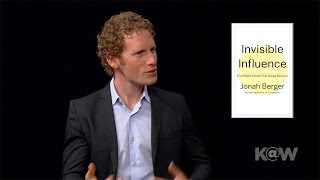
we're here today with Jonah Berger whart
00:00:22
and marketing professor and author of
00:00:24
the new book contagious why things catch
00:00:26
on Jonah thanks so much for being here
00:00:28
today thanks for having
00:00:30
great um so first of all this book is
00:00:32
all about what makes different products
00:00:33
or ideas catch on so my first question
00:00:36
is what do you think are the biggest
00:00:37
misconceptions out there about why
00:00:39
things go
00:00:41
viral uh I think the easiest place to
00:00:43
start would be cats so if you look
00:00:45
online uh and people say oh why do
00:00:47
things go viral uh people usually give
00:00:49
one of two answers they say oh it's
00:00:51
random it's luck just chance why things
00:00:53
go viral or it's cats if you look on the
00:00:55
web they're viral cat pictures so it
00:00:57
must be cats that drive things to go
00:00:59
viral um that's a great uh anecdote uh
00:01:02
there are definitely some cat things
00:01:03
that go popular but that really doesn't
00:01:04
tell us anything about why most things
00:01:06
go viral doesn't tell us why some cat
00:01:09
videos are shared and others aren't uh
00:01:10
and it doesn't tell us why things that
00:01:12
have nothing to do with cats uh go viral
00:01:14
uh it's like uh noticing that Bill Gates
00:01:16
Bill Cosby and Bill Clinton all's names
00:01:19
start with Bill and so deciding to name
00:01:20
your child bill because that will make
00:01:22
them famous um it's messing up
00:01:24
correlation and causation uh and so what
00:01:27
the book is all about is teasing apart
00:01:28
sort of the luck and random stuff stuff
00:01:30
with with science actually trying to
00:01:32
understand what makes people talk about
00:01:33
and share things right because it's not
00:01:35
a can has viral yes so and now in the
00:01:38
book you actually outline a framework of
00:01:40
six principles for why things catch on
00:01:42
using the acronym of steps which is
00:01:44
steps with an extra P yes yeah exactly
00:01:47
can you describe those for us and
00:01:49
discuss how you develop them so the book
00:01:51
talks about the six key steps uh to
00:01:53
driving people to talk and share uh
00:01:56
steps is an acronym to talk about the
00:01:58
different research ideas we have in the
00:01:59
book uh and they stand for social
00:02:01
currency which is all about people
00:02:02
talking about things uh to make
00:02:04
themselves look good rather than bad
00:02:05
triggers uh which is all about the idea
00:02:07
of top of Mind tip of tongue we talk
00:02:09
about things that are on the top of our
00:02:11
our heads uh e is for emotion when we
00:02:14
care we share uh the more we care about
00:02:16
a piece of information or the more we're
00:02:17
feeling uh physiologically aroused the
00:02:19
more like we pass something on uh public
00:02:22
when we can see other people doing
00:02:24
something we're more like it imitate it
00:02:25
practical value basically idea news you
00:02:28
can use we share information to help
00:02:29
others to make them better off and
00:02:31
finally stories or how we share things
00:02:33
that are often wrapped up in stories or
00:02:36
narratives MH now of these principles
00:02:38
and which do you think Which principle
00:02:40
or principles do you think is most
00:02:41
difficult for companies or individuals
00:02:43
to kind of harness when they're trying
00:02:45
to promote a product or an idea or just
00:02:47
get something to catch on I think people
00:02:49
often say well we have to do something
00:02:51
crazy right guerilla marketing viral
00:02:53
marketing it's about I don't know
00:02:54
dressing up people in chicken suits and
00:02:56
running down to the subway and handing
00:02:57
out $100 bills and do something crazy
00:03:00
that'll get attention um and that's
00:03:01
really not the right answer so it is
00:03:03
true that remarkable things get talked
00:03:05
about and shared um but there's a lot of
00:03:07
other drivers of sharing as well so one
00:03:09
big thing we talk about is is triggers
00:03:11
how cues in the environment remind us of
00:03:13
related things and cause us to talk
00:03:14
about them so if I said peanut butter
00:03:16
and you might think of jelly or if I
00:03:19
said cat you might think of dog and so
00:03:21
peanut butter is basically a little
00:03:23
advertisement for jelly it's not
00:03:24
actually there but it reminds you of
00:03:26
that related thing um and so cues in the
00:03:28
environment can remind us of products
00:03:30
and ideas and make us talk about them
00:03:32
more and so I think companies often
00:03:34
don't think about well what in the
00:03:35
environment is going to remind consumers
00:03:37
of my product or idea uh or similar you
00:03:39
know emotion well I think companies
00:03:41
recognize hey if we can get people to
00:03:43
feel emotional we'll get them to talk
00:03:45
and share I think most companies get
00:03:47
stuck because they say well hold on our
00:03:48
product isn't naturally emotional right
00:03:50
or our product isn't naturally
00:03:52
remarkable well we just can't do
00:03:53
anything about it um and what the book
00:03:55
is really about is is showing both
00:03:57
companies and individuals um that anyone
00:03:59
can craft contagious content it's not
00:04:01
about you have to have the right product
00:04:03
you have to think about what makes
00:04:04
people talk about and share and then
00:04:06
build that into your product or
00:04:07
messaging any product can be remarkable
00:04:10
any product can be emotional if you
00:04:11
think about what makes people feel
00:04:12
emotion or what makes them think
00:04:14
something is remarkable and then build
00:04:16
that into your product or idea and now
00:04:18
there's actually a great example of this
00:04:20
in the book that has to do with blenders
00:04:22
so why don't you tell us about how the
00:04:24
people at blendtech made blenders fit
00:04:27
this this framework so I think that's a
00:04:28
great example and you could say well you
00:04:30
know new Apple products or hot cars or
00:04:33
you know exciting uh Hollywood movies
00:04:35
those are naturally remarkable products
00:04:37
but who would talk about you know cement
00:04:39
or toilet paper or a household appliance
00:04:41
like a refrigerator or a blender there's
00:04:43
nothing remarkable about a blender uh
00:04:45
but there's a great example of a company
00:04:47
blendtech who actually made a blender
00:04:49
video that's gotten over 10 million
00:04:50
views and the set of videos all about
00:04:52
blenders has over 150 million views
00:04:55
about the most boring product we can
00:04:56
think of the most mundane thing in the
00:04:58
world a blender uh and what they did is
00:05:00
they have a series of videos called will
00:05:01
it blend where basically they stick all
00:05:03
types of different things in a blender
00:05:05
and my favorite one for example they
00:05:06
stick an iPhone in the blender they
00:05:08
actually drop an iPhone in they close
00:05:10
the top they press the button and you
00:05:12
watch the iPhone get torn up by this
00:05:14
really really strong blender it gets
00:05:16
reduced to shreds right little shards of
00:05:18
glass and uh and all the other things
00:05:20
that make up an iPhone lots of smoke at
00:05:22
the end of the day it's basically powder
00:05:24
now you've never seen a blender tear an
00:05:26
iPhone you've never imagined that a
00:05:28
blender could do that to an iPhone yet
00:05:30
you see it and it's pure remarkability
00:05:31
right you see that you're so amazed you
00:05:33
have to share that with someone else
00:05:35
because it's so impressive and so people
00:05:37
share these videos even though they're
00:05:39
about a blender and so I think the point
00:05:41
at the end of the day is anyone can
00:05:42
craft contagious content right yes
00:05:44
they're selling a blender yes a blender
00:05:46
doesn't seem like a remarkable product
00:05:48
but by finding the inner remarkability
00:05:49
in their product they got people to talk
00:05:51
and share yeah I mean I guess what
00:05:52
fascinated me about it was that I think
00:05:54
it was the marketing director who had
00:05:55
been hired he realized that something
00:05:57
that they were doing every day testing
00:06:00
yeah so uh uh George Wright new
00:06:02
marketing hire comes into the office he
00:06:03
notices a pile of sawdust on the floor
00:06:05
one of his first days at work and he
00:06:07
says well what are we are we expanding
00:06:08
the office why is there sawdust on the
00:06:09
floor and his colleague goes no the CEO
00:06:12
is doing what he does every day try to
00:06:14
break blenders so the CEO would take 2x4
00:06:17
pieces of wood he would take golf balls
00:06:19
he would take big lighters he'd throw
00:06:20
them in the blender and he'd see if the
00:06:22
blender was tough enough to withstand
00:06:23
the punishment he wanted to make a
00:06:24
really strong blender and George saw
00:06:26
this said this is a fantastic idea this
00:06:28
is going to be a viral home run he took
00:06:29
a $50 marketing budget not 50 million
00:06:32
not 50,000 but literally $50 bought a
00:06:35
white lab coat some of those goofy
00:06:37
glasses you often see people wear when
00:06:38
they chop wood or something and just
00:06:40
filmed his CEO doing what the guy was
00:06:42
already doing trying to break blenders
00:06:44
with throwing things inside and they
00:06:46
distributed to their mailing list they
00:06:47
distributed to others and it just it
00:06:48
caught on like wildfire people saw it
00:06:50
and they had to pass it on and share it
00:06:52
with their friends and so I think it's a
00:06:54
great example of it doesn't take a huge
00:06:55
marketing budget doesn't take a
00:06:57
marketing genius though they are smart
00:06:58
marketers to think about this what it
00:07:00
takes is understanding the psychology
00:07:02
behind social transmission what makes us
00:07:05
talk about it and share things and then
00:07:06
generating content we building in
00:07:08
features of your product so you create
00:07:10
that Viral user growth and to kind of go
00:07:12
with that on the smaller budgets and
00:07:13
also I guess to somewhat go back to when
00:07:15
you mentioned cats yeah it seems like a
00:07:17
lot of time at least on the internet
00:07:18
that a lot of times it's user generated
00:07:20
content that often manages to generate
00:07:22
these giant page view numbers and the
00:07:24
viral nature that many companies with
00:07:25
much larger budgets and many more
00:07:27
resources at their disposal would just
00:07:28
die to have
00:07:30
so I mean what do you think about that
00:07:31
and what can companies learn from that
00:07:33
you know so I think companies often
00:07:35
think well it's about advertising right
00:07:36
it's about creating a really slick
00:07:38
message and putting it out there and it
00:07:39
will be really persuasive and I think
00:07:41
it's more about being open being
00:07:43
authentic uh letting consumers create
00:07:45
their own content um but also creating
00:07:47
ads that build in an understanding of
00:07:49
why people talk about and share things
00:07:51
people don't want to share things that
00:07:52
look like ads right they don't want to
00:07:53
look like they're a walking
00:07:54
advertisement for a company but they
00:07:56
will share really engaging content even
00:07:58
if that content happens to relate to a
00:08:00
brand so a few years ago Burger King had
00:08:02
a great example on the web the
00:08:04
subservient chicken this website you
00:08:06
could go you could type in whatever you
00:08:07
wanted uh and this guy in a chicken suit
00:08:09
would do whatever you typed in so do a
00:08:11
backflip the guy in the chicken suit
00:08:12
would do a backflip hit a home run he'd
00:08:14
look like he's hitting a home run um but
00:08:16
it wasn't heavily branded right it
00:08:17
didn't say Burger King Burger King by
00:08:19
Burger King all over the page the more
00:08:21
you brand something the more it looks
00:08:23
like an ad the less willing people are
00:08:24
going to be to talk about and share it
00:08:26
and so I think you need to design
00:08:28
content that's like a Ian horse right
00:08:30
it's there's an exterior to it that's
00:08:32
really exciting or remarkable has social
00:08:34
currency or practical value but inside
00:08:36
you hide the brand or the benefit right
00:08:38
will it blend is a great example it's
00:08:40
not a highly branded piece of content
00:08:42
right people are watching it because
00:08:43
they love to see this blender tear
00:08:44
through things but along the way they're
00:08:46
learning about the brand If instead they
00:08:48
said buy this blender it's fantastic you
00:08:50
love it people wouldn't share that with
00:08:51
others because it seems like an ad but
00:08:53
that's not just online it also happens
00:08:55
offline so there's a great uh Philly
00:08:56
local example of a restaurant here
00:08:58
called Barclay Prime that has a $100
00:09:00
cheese steak now you might sit there and
00:09:02
go $100 cheese steak what could be on a
00:09:04
$100 cheese steak well it's everything
00:09:06
from Kobe beef to Lobster to uh truffles
00:09:09
comes with a little bottle of champagne
00:09:11
a remarkable product particularly for
00:09:14
Philly where we often think about uh
00:09:15
cheese steaks but again people don't
00:09:17
want to seem like an advertisement for
00:09:19
barlay Prime but they do love to talk
00:09:21
about this remarkable product and along
00:09:23
the way they talk about the brand and so
00:09:25
I think it's about understanding what
00:09:26
consumers like to talk about and then
00:09:28
attaching your brand or your IDE aidea
00:09:30
to a story that they want to share MH
00:09:32
now I me you note that I mean you talked
00:09:33
a little bit at the beginning about how
00:09:35
a lot of people seem to think that going
00:09:36
viral or becoming contagious is a lot
00:09:38
about luck but that you know this these
00:09:40
six steps are really what's a lot of
00:09:42
what's coming into play but I mean for a
00:09:44
company trying to harness these six
00:09:45
steps I mean what kind of issues do you
00:09:48
I mean how much do opposing Market
00:09:49
forces come into play and what about
00:09:51
share luck I mean how much does luck
00:09:53
have anything to do with it at all do
00:09:55
you think yeah so um what this book is
00:09:57
is like imagine you're a baseball player
00:09:59
right and you're hitting pretty well uh
00:10:01
but you want to raise your batting
00:10:02
average this book will show you how to
00:10:04
raise your viral batting average so can
00:10:05
I guarantee you'll be the next Gangam
00:10:07
Style with a billion views definitely
00:10:08
not I can't guarantee that but I can
00:10:10
guarantee that we'll raise the
00:10:12
likelihood that consumers talk about and
00:10:13
share your ideas if person on average
00:10:16
tells one person we can increase it to
00:10:17
two if half the people are talking about
00:10:19
your product we can increase it to 60%
00:10:22
we have evidence-based uh principles
00:10:24
that show why people talk about and
00:10:25
share and so no you know there is some
00:10:27
luck to get a billion views right you
00:10:29
can't can't mathematically put something
00:10:30
together to guarantee that you'll get
00:10:32
that many views there is a snowball
00:10:33
effect on the web but you can guarantee
00:10:35
that more people will talk about your
00:10:36
brand or more people will share your
00:10:38
idea if you understand why people talk
00:10:40
and share now I mean how have changes in
00:10:43
advertising and the technology landscape
00:10:45
alter the nature of how things become
00:10:47
contagious and then sort of conversely
00:10:49
the reasons or the speed at which they
00:10:51
maybe become uncont or just kind of
00:10:53
Peter out I think I mean so advertising
00:10:56
are is great for broad awareness right
00:10:58
it's great because it makes many people
00:11:00
aware that your product exists but it's
00:11:01
not very persuasive right if we think
00:11:03
about it we're much more likely to
00:11:04
believe what our friends say than
00:11:06
believe what ads i' say and so I'm not
00:11:08
against advertising if you have enough
00:11:10
money to buy a Super Bowl commercial and
00:11:11
that's worth doing on your end it's
00:11:13
definitely worth doing that's broad
00:11:14
broad awareness but it's not going to be
00:11:16
very persuasive what's going to be
00:11:17
persuasive is hearing about from a
00:11:18
friend or a colleague or someone you
00:11:20
know that a product is good right people
00:11:22
90% of people believe that their friends
00:11:24
say only about 30% of people believe
00:11:27
what ads say right so it's much less
00:11:28
likely to believe what what ads have to
00:11:30
add and so I think what I would
00:11:32
recommend to businesses and
00:11:33
organizations is advertising is not a
00:11:34
bad thing and indeed it's one way to
00:11:36
encourage word of mouth but also think
00:11:38
about why are people going to talk about
00:11:40
and share your ads once they've happened
00:11:41
or how can you build content both online
00:11:44
and Offline that people will talk and
00:11:45
share I think this conversation is
00:11:47
focused a lot on the web and and the web
00:11:48
is important but actually much more word
00:11:50
of mouth is offline than online there's
00:11:52
been so much Focus recently on social
00:11:55
media Technologies Twitter and Facebook
00:11:57
and the newest shiny new tool that's out
00:11:59
out there uh but if you think about it
00:12:01
five or six years ago you know you could
00:12:02
have been an expert on MySpace you could
00:12:04
have gone to a talk that says Myspace is
00:12:05
where you should spend all your
00:12:06
resources and you could have gone after
00:12:08
that tool and now that useful knowledge
00:12:10
would be pretty worthless right no one's
00:12:12
really on MySpace anymore and so will
00:12:14
Facebook be around in 10 years will
00:12:16
Twitter still be around I don't know
00:12:18
will people still be talking and sharing
00:12:19
certainly and so it's more about
00:12:21
understanding why people talk and share
00:12:23
whether it's online or offline rather
00:12:25
than focusing on the Technologies
00:12:26
they're sharing through mhm now in terms
00:12:28
of that I mean can you think of I mean
00:12:30
in the book I mean is there a favorite
00:12:31
example that you have that was most
00:12:33
surprising and maybe one that doesn't
00:12:34
necessarily involve word of mouth that's
00:12:37
specifically was about a viral video or
00:12:38
something like that uh so one example I
00:12:41
really like is the example of movember
00:12:43
uh so nonprofits have a problem and that
00:12:46
is that most donations to nonprofits are
00:12:48
pretty private you know what you donate
00:12:50
to and uh you might even know what your
00:12:52
spouse donates to or your best friend
00:12:54
donates to but you don't really have any
00:12:56
idea what your friends donate to or
00:12:57
people at the office donate to that
00:12:59
action is pretty private um but because
00:13:01
it's private it's hard for that to catch
00:13:02
on more broadly right if you can't see
00:13:04
what others are doing it's hard to
00:13:05
imitate it um so one idea I talk about
00:13:08
in the book is making the private public
00:13:09
making it more observable or visible
00:13:11
what people are doing and a favorite
00:13:13
example of that is this campaign called
00:13:14
movember uh so a number of years ago in
00:13:16
Australia a couple guys got together
00:13:18
they were drinking beers and they were
00:13:20
talking you know what would be fun to do
00:13:21
just as a joke for kicks they decided to
00:13:23
have a mustache growing contest so they
00:13:25
grew their best mustache it happened to
00:13:27
be the month of November so they called
00:13:28
it movember the next year they had so
00:13:30
much fun they wanted to do it again so
00:13:31
they decided to raise money for men's
00:13:33
cancer uh there's lots of uh campaigns
00:13:36
for women's cancers uh the 5K races uh
00:13:38
Susan Gan Foundation lots of different
00:13:40
things not so much for men's cancers so
00:13:43
they started to raise money for men's
00:13:44
cancers but they had the really sharp
00:13:46
idea of rather than just asking people
00:13:47
for money they used mustaches as a
00:13:49
public signal of that private Behavior
00:13:51
so for the month of November you'd grow
00:13:53
a mustache and you'd ask people to
00:13:55
donate money to support the cause uh for
00:13:57
men's cancers but what's really nice
00:13:59
about that behavior it's a very public
00:14:00
Behavior right it's not just asking
00:14:02
people for money no one can see if
00:14:03
someone else is part of it if someone's
00:14:05
part of the campaign you can see that
00:14:06
they have a mustache on their face so
00:14:08
someone in your office who you know is a
00:14:09
pretty button-down uh sort of Guy starts
00:14:11
sporting a mustache suddenly in in the
00:14:13
month of November right a big Ry finger
00:14:15
sort of uh mustache you're going to ask
00:14:17
them why you doing this right what's
00:14:19
going on and that will encourage them to
00:14:21
talk about and share this movember
00:14:23
campaign which will encourage you to do
00:14:24
the same thing either that year or next
00:14:26
year entirely offline but public is a
00:14:28
really simple way of getting ideas to
00:14:31
catch on it's similar when you think
00:14:33
about uh Apple's headphones right so
00:14:35
used to be we all carried portable CD
00:14:37
players it was like carrying a pizza you
00:14:39
had to run like this to make sure it
00:14:40
didn't skip then they came out with
00:14:42
these thing called MP3 players really
00:14:44
great technology but they were super
00:14:45
expensive is it worth adopting this new
00:14:48
product well how do I know if it's worth
00:14:50
adopting this new product and so if you
00:14:51
looked around let's say on the subway or
00:14:53
the bus and you saw people using the
00:14:55
Microsoft product or a product from
00:14:56
another company you couldn't tell cuz
00:14:58
everyone headphones were black it was
00:15:00
impossible to see what device someone
00:15:02
was using as opposed to another device
00:15:04
but what Apple did really smartly is
00:15:05
they used white headphones so once you
00:15:07
start seeing a number of people wearing
00:15:08
white headphones you say wow A lot of
00:15:10
people are using this it must be really
00:15:12
good which encourages you to adopt that
00:15:14
product as well it's just like if you've
00:15:16
gone to a a foreign city you don't know
00:15:17
where to eat how do you decide you look
00:15:19
for a restaurant that's full of people
00:15:21
and so it's totally offline example but
00:15:23
you assume if it's full of people it
00:15:25
must be really good and so thinking
00:15:27
about how to make the private public
00:15:28
particularly offline environment is a
00:15:30
great way to help your product catch on
00:15:32
great Jonah thanks so much for being
00:15:33
with us today no problem thanks for
00:15:35
having
00:15:39
[Music]
00:15:57
me