00:00:01
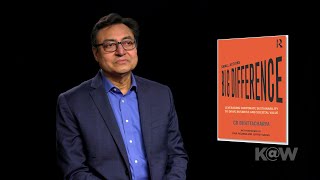
vitold hennis professor of management
00:00:03
here at the wharton school
00:00:05
with lucy parker and john miller it's a
00:00:08
real pleasure to have this opportunity
00:00:09
to talk with both of you
00:00:10
i really enjoyed reading your book
00:00:12
recently on the topic
00:00:13
the unlikely story about how big
00:00:15
business can fix the world
00:00:17
um can you speak a bit about the origins
00:00:19
of the book uh i mean in this time of
00:00:21
skepticism
00:00:21
hostility towards big business uh where
00:00:24
the profession of management has fallen
00:00:25
even below lawyers
00:00:27
in terms of its reputation according to
00:00:29
a long-standing pube
00:00:30
research poll what inspired you both
00:00:32
individually and together to come
00:00:34
together and write this book
00:00:35
well i think the clues in the subtitle
00:00:38
in a way the unlikely story
00:00:39
of how big business can fix the world
00:00:41
because you talk about big business to
00:00:43
most people out there in the world and
00:00:45
you get kind of a
00:00:46
quite instant sort of allergic reaction
00:00:49
often there's a very very deep-seated
00:00:51
sort of suspicion and hostility towards
00:00:54
big business and it's kind of easy to
00:00:55
understand why i mean
00:00:56
these big companies have a long history
00:00:58
of crimes and misdemeanors which are
00:01:00
well documented and everybody knows and
00:01:02
it's great that people are holding them
00:01:04
to account
00:01:05
but i think for both of us in in
00:01:07
different ways we had seen in our
00:01:09
in our histories it's not the only story
00:01:12
actually
00:01:12
that big businesses can also be really
00:01:16
powerful positive engines for social
00:01:18
change and
00:01:19
and it's a kind of missed opportunity
00:01:20
for the world actually if the only story
00:01:22
around is that big businesses are the
00:01:24
bad guys
00:01:25
and we missed the opportunity to harness
00:01:26
that power and and direct it at some
00:01:28
some positive change so the book is
00:01:30
really targeted at the skeptics the the
00:01:32
the activists the those who are critical
00:01:34
uh or is it the sympathetic managers who
00:01:36
are trying to affect this change
00:01:38
who are you trying to reach both i think
00:01:40
that um
00:01:41
again going back to the title of the
00:01:43
book everybody is the short answer but
00:01:45
actually uh i think that the fact is
00:01:48
that there's a
00:01:49
world outside business that doesn't
00:01:51
understand it that doesn't get it
00:01:53
and as john was saying it felt to us as
00:01:55
though there are
00:01:57
a lot of things to describe a lot of
00:01:58
things to see
00:02:00
that businesses do that a lot of people
00:02:02
never get to see and our working lives
00:02:04
had given us the opportunity to see them
00:02:06
so it felt as though we needed to tell
00:02:07
those stories so that people who are not
00:02:09
familiar with business could see them
00:02:10
but there was also running in our heads
00:02:12
i think the feeling that if you are in a
00:02:14
big business
00:02:15
and either doing this stuff or asking
00:02:17
yourself the question how
00:02:18
how does our business relate to this
00:02:21
skepticism on the outside
00:02:23
that it would be good if those people
00:02:24
found themselves nodding for once and
00:02:26
going yes that that is how we
00:02:27
look at it that is how we act and that
00:02:29
you wanted
00:02:30
to show people on the inside of business
00:02:32
how much they could do
00:02:34
well the book follows the structure of
00:02:36
bringing the reader along on a journey
00:02:38
a personal journey a corporate journey
00:02:40
in which executives from a number of
00:02:42
leading multinationals coca-cola pepsi
00:02:44
sab miller ibm unilever
00:02:48
mahindra mtn so many companies um even
00:02:51
mining companies which which people may
00:02:52
be surprised at such as bhp and
00:02:54
anglo-american
00:02:55
um go on a journey of trying to affect
00:02:57
social change in a profitable manner
00:03:00
you referenced your own personal
00:03:01
backgrounds and how did you meet these
00:03:03
individuals how did you choose
00:03:05
the protagonists for the chapters and
00:03:08
where did you first learn about their
00:03:09
journeys
00:03:10
well i think that both of us have worked
00:03:12
for a long time in the corporate
00:03:14
universe
00:03:15
and so we've for a long time known of
00:03:18
some of these companies
00:03:19
and i think that um there's also a
00:03:22
leading pack of corporates
00:03:24
really showing the way on this and
00:03:27
we were turning to them and wanting to
00:03:30
say
00:03:31
when they're doing it well what does it
00:03:32
look like
00:03:34
when in no way arguing that all
00:03:35
businesses act like this in fact part of
00:03:37
the reason for writing it is to say if
00:03:39
we could see more clearly
00:03:40
what the ones who are doing it
00:03:41
effectively are doing would it help make
00:03:43
more of it happen
00:03:44
so we were definitely turning to the
00:03:46
leading corporates and then we were also
00:03:48
asking can we be sure we've gone
00:03:50
really across the sectors to show that
00:03:53
this isn't something unique to any
00:03:55
sector you mentioned mining
00:03:56
a lot of people even said to us how can
00:03:58
you have mining in a book about how
00:03:59
business does good
00:04:00
on the other hand virtually everything
00:04:02
you know the equipment around us
00:04:04
counts on mining so the question isn't
00:04:06
do we need the industry or not the
00:04:08
question is
00:04:08
how can the industry act in a way that's
00:04:10
positive for the world around it
00:04:11
so that was the question we were asking
00:04:13
of every single sector really
00:04:14
but you're absolutely right to say it's
00:04:16
uh it's a journey and i think we were
00:04:18
very keen
00:04:19
from the outset to to make sure that the
00:04:22
the heroes of this book are the people
00:04:23
in the companies
00:04:24
actually because that's where the the
00:04:26
real energy is
00:04:27
and so often it's really easy to think
00:04:29
of these big companies as these
00:04:30
faceless monolithic kind of entities
00:04:34
whereas they are just collections of of
00:04:36
people and organizational structures and
00:04:38
you know
00:04:39
relationships and and that's that's
00:04:41
where the change happens
00:04:43
actually so we wanted to go and see what
00:04:44
does it look like at the front line when
00:04:46
these big companies are interacting with
00:04:48
the communities around them when they're
00:04:50
really tangling with the issues that are
00:04:52
confronting them
00:04:53
what is that actually like and what are
00:04:55
those people going through what's their
00:04:56
experiences and
00:04:57
to bring that to life is what we've
00:04:59
tried to do were you drawing on prior
00:05:01
experience in the field with these
00:05:02
companies or did you actually embark on
00:05:04
your own journey around the world to
00:05:05
some of these sites and communities to
00:05:07
draw very much both uh i mean lucy and i
00:05:10
both have seen this kind of
00:05:11
independently in in our in our own
00:05:14
histories
00:05:14
i spent a lot of time out i was working
00:05:17
for brands like coca-cola
00:05:18
and spent a lot of time out in africa
00:05:20
where i would almost expect to you know
00:05:22
people would see coke as the
00:05:24
as the bad guys actually you know these
00:05:26
big
00:05:27
massive global multinational um whereas
00:05:30
actually you see i remember meeting a
00:05:31
whole bunch of people at one point in
00:05:33
ethiopia
00:05:34
who were absolutely clear that you take
00:05:37
a company like coca-cola that at that
00:05:39
point had been in africa for about 80
00:05:40
years
00:05:41
very few institutions have invested over
00:05:44
such a long time frame in africa
00:05:46
have done more in terms of creating
00:05:48
wealth through the supply chains through
00:05:50
the
00:05:50
working with the farmers through the
00:05:51
distribution networks through training
00:05:53
people in their
00:05:54
their operations and i remember having
00:05:56
some of these guys who worked for like
00:05:57
the unicefs and save the childrens of
00:05:59
this world saying
00:06:00
these big companies can achieve more in
00:06:02
a place like africa than many of the
00:06:04
ngos actually
00:06:05
and that was a shock to me at the time
00:06:07
to to hear that and
00:06:08
and that creating that loop in a way is
00:06:11
partly why we've
00:06:12
written the book to close that and
00:06:14
interestingly one of the things that
00:06:16
really comes across and i
00:06:17
hope it comes across in the stories is
00:06:19
that one of the startling things when
00:06:21
you see it from inside a company
00:06:22
is how detailed the work is this isn't
00:06:26
conceptual theoretical work at the
00:06:28
senior levels it needs senior
00:06:30
endorsement
00:06:31
but what actually happens is very
00:06:33
detailed very on the ground
00:06:34
very skilled and it takes people a long
00:06:37
time and they're learning lessons as
00:06:38
they go all the time
00:06:40
so when you meet the people who are
00:06:41
doing this you find yourself sort of
00:06:43
just warming warming to the fact that
00:06:46
they're working so hard at this
00:06:48
and they're really trying to make change
00:06:50
happen and
00:06:51
you don't often hear that story told and
00:06:53
you don't even hear it in books about
00:06:55
social change which are very often
00:06:57
conceptual so that's why we wanted to
00:06:59
draw on the people i think
00:07:01
i think that's a really interesting
00:07:02
point i think it's amazing to think how
00:07:04
few employees of the companies you're
00:07:06
studying
00:07:07
and how few customers actually know
00:07:09
about the stories you're telling
00:07:10
exactly why do you think the story
00:07:12
hasn't been effectively told
00:07:14
either by the protagonists you've
00:07:16
interviewed and featured
00:07:17
or more broadly by the external affairs
00:07:20
the media affairs companies
00:07:21
of the companies you're working with
00:07:22
it's it's very powerful again both to
00:07:24
customers and to employees
00:07:26
and yet it's a largely untold story to
00:07:29
some extent
00:07:30
it's a news story i mean there's no
00:07:32
doubt that you know
00:07:33
business has got a long history of
00:07:35
interacting with communities and there
00:07:37
are lots of examples of
00:07:39
you know self enlightened self-interest
00:07:41
stretching back decades but
00:07:43
actually what we're looking at with this
00:07:45
book are very much a leading bunch of
00:07:47
companies
00:07:48
on a new edge of figuring out how do we
00:07:50
really deal with society deal with
00:07:52
all our relationships in the world to
00:07:55
create the broadest possible set of
00:07:56
positive outcomes
00:07:58
and and that is is really a new story
00:08:00
and i think the the headlines have been
00:08:01
dominated by
00:08:02
you know leaks and spills and uh you
00:08:05
know tax avoidance and there's absolute
00:08:07
litany
00:08:08
of corporate you know wrongdoing
00:08:11
and that's the story that people have
00:08:13
that's what's in the public imagination
00:08:15
this is an antidote to that but it's
00:08:16
nascent um and i think
00:08:18
the you know the reason for writing the
00:08:20
book really is to try and and give that
00:08:22
energy to try and put you know wind in
00:08:24
the sails of that
00:08:25
of that nascent movement and
00:08:27
interestingly when we began to write it
00:08:29
and you talk to people we're talking to
00:08:32
loads of people because as you say
00:08:33
we're working across sectors and right
00:08:34
from the boardroom right out to the
00:08:35
front line
00:08:36
so we're talking about it all the time
00:08:38
and one of the questions that would come
00:08:40
from the skeptics as to use your
00:08:42
language would be oh yes i know
00:08:43
businesses do some
00:08:44
good things but usually they're just on
00:08:46
the side aren't they they're just
00:08:48
peripheral
00:08:49
and so the thing that's particularly new
00:08:52
i think
00:08:52
is the dialogue about how does a
00:08:54
business take this way of interacting
00:08:56
with the world into its core
00:08:58
how do we reconnect the core of business
00:09:01
to wider society
00:09:02
and when john refers to them as leaders
00:09:04
what makes them leaders is those are the
00:09:05
companies experimenting with that
00:09:08
so um then actually it's hardly a story
00:09:11
to be told
00:09:12
and a lot of companies who don't get
00:09:14
this theme at all
00:09:16
they may be in the headlines for the
00:09:18
very drastic
00:09:19
breaking of some kind of social contract
00:09:22
and the historical methodology would
00:09:23
have been to say but we are doing some
00:09:24
good things over here almost like
00:09:25
they're a trade-off
00:09:26
and one of the things we're trying to
00:09:28
write about is suppose we didn't buy
00:09:29
that trade-off anymore suppose you
00:09:31
actually asked yourself
00:09:32
as a company why would we all of us look
00:09:35
at you and
00:09:36
go well broadly speaking that's that's a
00:09:38
good thing that company is
00:09:39
working in a positive way so we're
00:09:41
trying to get beyond a sort of narrative
00:09:43
that goes
00:09:43
they're good they're evil they're good
00:09:44
they're evil and go what direction of
00:09:46
travel are they that's
00:09:47
another of the images about journey
00:09:49
really it doesn't happen all at once
00:09:51
you have to start and then you have to
00:09:53
keep moving so that this is a journey
00:09:55
for the companies as well
00:09:56
and we're trying to show that i think
00:09:59
one of the constraints that many
00:10:00
companies face is
00:10:01
time horizons the different time
00:10:02
horizons of investors
00:10:04
of analysts and even of managers who are
00:10:07
looking for their next promotion
00:10:08
or their next lateral move and the
00:10:10
payoffs
00:10:11
from the strategies you're describing by
00:10:13
bringing society into the core
00:10:15
are often 5 10 maybe 20 years out
00:10:18
creating an african middle class
00:10:20
india rising new customers new products
00:10:23
new services
00:10:24
new technologies what what tools what
00:10:28
processes have you seen in place to
00:10:30
to focus attention on the longer term
00:10:32
and avoid the short-term pressures at
00:10:34
the individual
00:10:35
or at the corporate level i think it's
00:10:37
another reason that it's a new story
00:10:38
because i think one of the reasons it's
00:10:40
shaping up in the way it is is that the
00:10:43
crash and all the fallout from that
00:10:47
is actually opening a new conversation
00:10:49
about long-term
00:10:50
capitalism long-term shareholder value
00:10:52
and it's not an
00:10:53
accident that some of the industries
00:10:54
that are leading in this are some of the
00:10:56
most problematical industries
00:10:57
that have had to forge an answer and
00:11:00
also if you are a mining company or a
00:11:02
big engineering company or a
00:11:03
pharmaceutical company
00:11:04
your horizon is longer so actually for
00:11:06
the leading ceos there's quite
00:11:08
um an opportunity in being able to talk
00:11:12
to your shareholders about the long term
00:11:14
again
00:11:14
and about saying that some of these
00:11:16
issues are about delivering strategic
00:11:18
long-term value not short-term quarterly
00:11:20
value you could think of it as
00:11:23
think about license to operate and you
00:11:25
look at an issue like water for example
00:11:27
and you see the long term and the kind
00:11:29
of immediate term collide completely so
00:11:31
okay water's clearly a very long-term
00:11:33
issue and managing water stewardship is
00:11:35
a long-term
00:11:36
question however then you get
00:11:39
likes of coca-cola and pepsico almost
00:11:41
kicked out of
00:11:42
india overnight for their you know
00:11:45
behaviour around
00:11:46
water and the issues surrounded
00:11:48
surrounding that so it wasn't a question
00:11:49
of short-term
00:11:51
long-term is this is a big issue that we
00:11:52
need to address now
00:11:55
and shareholders often understand it as
00:11:56
risk management so in a mining company
00:11:58
it'll be
00:11:59
actually the non-technical risk social
00:12:01
and political risk
00:12:02
is maybe what's stopping your project so
00:12:04
there is a marriage of these two themes
00:12:06
but
00:12:06
it will take a while well i noted that
00:12:08
many of the stories many of the journeys
00:12:10
begin
00:12:10
with a crisis or a billion dollar loss
00:12:14
uh do you think the companies who want
00:12:15
to follow in the footsteps of these
00:12:17
leaders
00:12:18
who want to start their own journeys
00:12:19
need a jolt that big
00:12:21
do we really need a crisis a billion
00:12:23
dollar loss deaths to to focus attention
00:12:26
on
00:12:26
broader societal issues if not what else
00:12:29
separates the companies uh that are
00:12:31
engaged in more superficial philanthropy
00:12:33
on the side
00:12:34
from those that are bringing it into the
00:12:35
core it seems like crises and shocks are
00:12:38
a big motivator yeah i mean there's no
00:12:40
no doubt that
00:12:41
a lot of the companies that we talk
00:12:43
about who really are breaking new
00:12:44
grounds in terms of the way they deal
00:12:45
with environmental issues or in
00:12:47
social relationships have been through i
00:12:50
really think it's like a dark night of
00:12:51
the soul they've had some terrible times
00:12:53
and they've had to dig really deep and
00:12:54
figure out
00:12:55
who are we actually and how actually do
00:12:57
we do do we do business
00:12:59
um but i you know if if other companies
00:13:01
want to wait
00:13:02
until they have that moment fine i mean
00:13:05
in the way we think of it in a way is
00:13:07
what business is good at is changing
00:13:09
actually and adapting
00:13:11
and you know businesses that don't do
00:13:12
that go extinct that's the nature of
00:13:15
business actually and you know those
00:13:17
companies are the leaders now are
00:13:18
leaders because they had to adapt to
00:13:20
some extreme situations that they found
00:13:22
themselves in
00:13:23
other businesses may learn from that and
00:13:26
may get ahead of the game
00:13:27
or they may wait until their own dark
00:13:29
knight comes and visits them
00:13:31
they'd be smarter to get ahead of it i
00:13:33
think there's a new paradigm emerging
00:13:34
though because
00:13:35
short-term shareholder value is being so
00:13:37
heavily questioned
00:13:38
so if you what you're saying is does it
00:13:41
need a jolt
00:13:42
but like people sometimes a jolt is what
00:13:44
it takes
00:13:45
but actually there is a new paradigm
00:13:47
emerging it
00:13:48
when i started to advise corporates long
00:13:51
time ago
00:13:52
it was quite natural for a ceo to say
00:13:55
the purpose of this company is to
00:13:56
deliver shareholder value
00:13:57
there are not many ceos that say that
00:14:00
now
00:14:00
and it's because actually people are
00:14:02
beginning to realize that it does have
00:14:04
to work for
00:14:04
everybody shorthand for all stakeholders
00:14:07
and so
00:14:08
there is a new norm being created which
00:14:10
is that you're really derelict in your
00:14:12
duty unless you're understanding
00:14:13
the long term and unless you're
00:14:15
understanding the breadth of shareholder
00:14:16
value
00:14:17
uh stakeholder value so i think that
00:14:19
there is a new norm arriving that may
00:14:21
mean that not everybody has to go
00:14:22
through that jolt to get that
00:14:24
thought in their heads well so to give
00:14:27
people a flavor of these kind of
00:14:29
journeys but without diminishing the
00:14:30
incentives to buy the book and read them
00:14:32
in their full depth
00:14:33
uh could you tell us about one journey
00:14:35
and company that you contemplated
00:14:36
including but maybe
00:14:38
got left out that that had to be cut uh
00:14:41
before the final version of the book
00:14:43
wow what a good question
00:14:48
gosh how can that stop us in our tracks
00:14:50
because there's so much to say
00:14:52
um there are lots of companies i think
00:14:55
that
00:14:57
we did wonder about walmart
00:15:01
um because um that's
00:15:04
an amazing company in sense of its
00:15:07
sheer scale and that for so many people
00:15:11
it's the villain of the piece and a
00:15:13
picture of the problem and for many
00:15:15
people who begin to understand how
00:15:17
companies change
00:15:18
a lot of people step back quite
00:15:20
surprised at the degree to which they've
00:15:22
taken this
00:15:23
whole approach on and so they're right
00:15:26
at the center of the debate about
00:15:28
how much can this be at the heart of
00:15:31
uh modern capitalism and i think one of
00:15:33
the other reasons they're so interesting
00:15:35
is they're so big and a lot of the
00:15:38
argument we're making
00:15:39
is the reason big business is such a
00:15:41
powerful act of a change
00:15:43
is that they have the scale to make
00:15:45
change
00:15:46
so we would have been interested to
00:15:47
continue the story with walmart i think
00:15:51
so if individual managers or students
00:15:53
want to get their companies to embrace
00:15:55
this sort of change
00:15:56
what should they do for students what
00:15:58
skills are important for them to acquire
00:16:00
or build
00:16:01
within a company how do you press an
00:16:03
influence strategy to embrace
00:16:04
these kind of initiatives or if
00:16:06
contemplating a career shift uh what
00:16:08
sort of companies should people be
00:16:09
choosing to work for
00:16:12
i think um i mean we we have a uh a
00:16:14
couple of
00:16:15
sort of frames of reference if you like
00:16:18
that for people starting to think about
00:16:19
this area
00:16:20
um i think provide a really useful way
00:16:22
of thinking what are we actually talking
00:16:24
about when we're talking about
00:16:25
the role of a business in society and
00:16:28
in the book we uh we have this model we
00:16:30
call the prism uh
00:16:31
which essentially is when you're talking
00:16:34
about a business in the world and the
00:16:35
effects it can have
00:16:36
what you're talking about generally is
00:16:37
one of five things so you're talking
00:16:39
about
00:16:39
the purpose that a company has the sense
00:16:42
of purposefulness that it
00:16:43
acts with you're talking about the
00:16:45
products you know what does it actually
00:16:46
sell and you're talking about the
00:16:49
practices
00:16:50
that it has to that it uses to you know
00:16:52
take those products to market to
00:16:54
manufacture them to distribute them
00:16:56
and any philanthropy that a company
00:16:58
chooses to undertake
00:17:00
and and then we've got um the point of
00:17:02
view of a company so what does it
00:17:04
actually
00:17:05
think about the big issues that are that
00:17:07
are really relevant
00:17:08
to it and and we've suggested that
00:17:11
really because
00:17:12
it can be a kind of daunting and kind of
00:17:14
complex and
00:17:15
slightly vague area with all of these
00:17:17
terms kind of you know
00:17:19
hitting into each other and this model
00:17:22
via the prism we think is just a quite
00:17:23
simple way of looking at what are we
00:17:26
actually
00:17:26
talking about when we're talking about
00:17:28
the role of a business in society
00:17:30
there is a um there is a allegedness
00:17:33
actually still in the language around
00:17:36
this so
00:17:37
a lot of the time for the mainstream
00:17:39
sort of world of business you talk about
00:17:42
the words like sustainability and
00:17:44
responsibility and citizenship and
00:17:46
and you know important great these these
00:17:49
all come from very good places
00:17:50
but there's a large amount of the
00:17:52
business world that just switches off
00:17:53
when they hear those words and what they
00:17:54
hear is
00:17:55
this is about trade-off this is about
00:17:57
this a cost center basically
00:17:59
um and what we're trying to say really
00:18:01
is that this is an opportunity
00:18:03
actually for business um and for the
00:18:06
world
00:18:06
and that's a different way of looking at
00:18:07
it so to get out of that mentality
00:18:09
and so to think of the role a business
00:18:12
plays in society
00:18:13
is is really the the key i think to
00:18:15
getting started
00:18:16
and if you're saying what should you do
00:18:18
either as a manager or
00:18:19
somebody wondering whether to join a
00:18:21
business
00:18:23
one of the other things we talk a lot
00:18:24
about is get outside the business
00:18:27
you know this is about reconnecting
00:18:29
business to society against that
00:18:31
prejudice against that stereotype that
00:18:34
business is the problem
00:18:35
not the solution so actually for a lot
00:18:38
of people trying to make change in their
00:18:39
businesses
00:18:40
almost the simplest thing is get some of
00:18:42
your people outside the business
00:18:44
and one of the really common themes of
00:18:46
the great stories is that somebody in
00:18:48
there has had the imagination
00:18:50
to take people at all levels of the
00:18:51
business right outside it
00:18:53
and look at the way it acts in the world
00:18:56
and look at the big challenges that
00:18:57
bother everybody in the world
00:18:58
and ask themselves what is our business
00:19:00
to that
00:19:02
can we help and if you put together the
00:19:05
prison with the question
00:19:07
can we help you get pretty close to
00:19:10
a way of acting so another component of
00:19:12
the book is these 11 conversations
00:19:14
um that you you draw upon a number of
00:19:16
different reports from the united
00:19:17
nations the world economic forum
00:19:19
and look at 11 areas of sort of issued
00:19:21
areas
00:19:22
in which companies can contribute almost
00:19:25
every company
00:19:26
you examine though touches on multiple
00:19:29
areas if not
00:19:30
all of them so how do they choose which
00:19:32
one is
00:19:33
core to them which one should they focus
00:19:36
on in their initiatives and embrace
00:19:38
and which stakeholders should they
00:19:40
listen to in making those difficult
00:19:41
choices because at some level there is
00:19:43
still a
00:19:43
trade-off that you can't have dozens of
00:19:46
initiatives
00:19:48
you need to bring this into the core and
00:19:49
focus and
00:19:51
each company seems to have made a choice
00:19:53
on one two or three of the conversations
00:19:56
but if again if i'm a manager how do i
00:19:58
choose which one
00:19:59
the extraordinary thing is that it
00:20:02
almost makes itself
00:20:04
if you're asking where can we be most
00:20:07
helpful
00:20:08
where are we most relevant and
00:20:11
uh certainly the 11 conversations are
00:20:13
for us like a sort of landscape of the
00:20:14
problems
00:20:15
in the world that people really worry
00:20:16
about and if you show that to any
00:20:19
top figure in business they'll look at
00:20:21
it and like you said they'll kind of go
00:20:22
here
00:20:23
here here and if you go but if you
00:20:24
really could make the biggest difference
00:20:26
i've never known anybody not go it's
00:20:28
here and here
00:20:30
and then actually you you aim the
00:20:32
resources the skills
00:20:34
the expertise the imagination of your
00:20:36
business at those areas where you have
00:20:38
greatest relevance and greatest power to
00:20:40
change
00:20:40
and it's a fun conversation to have with
00:20:42
with businesses actually people get
00:20:43
really into oh we're relevant to that
00:20:44
one and to that one answer and before
00:20:46
you know it
00:20:47
as you say they're relevant to all of
00:20:49
them but actually something rises to the
00:20:51
top really that gets the energy
00:20:52
but actually the really important thing
00:20:54
about the 11 conversations
00:20:56
is not playing that game but actually
00:20:58
the attitude shift
00:20:59
that underlies it because really what
00:21:01
we're saying is you know the old model
00:21:03
of
00:21:03
the way a big business interacted with
00:21:05
the world was very much you know
00:21:07
messaging focus it's like what do we
00:21:08
have to say and what are the issues that
00:21:10
we need to manage and
00:21:11
it was a really defensive crouch
00:21:13
basically
00:21:14
and what the 11 conversations is saying
00:21:16
is get outside of it
00:21:18
you know what are the what are the
00:21:19
issues in the world that everybody is
00:21:21
worried about you know
00:21:22
what are the the challenges that we're
00:21:23
all facing and what do we have as a
00:21:26
business that could be relevant to that
00:21:27
that could make us
00:21:28
part of that solution so it's more more
00:21:32
than anything else it's just about
00:21:33
shifting the perspective
00:21:35
well thank you both for for taking the
00:21:36
time and uh i really enjoyed reading the
00:21:38
journeys
00:21:39
i really enjoyed the time to discuss
00:21:41
them and learning more about how the
00:21:43
book came together it's really been a
00:21:44
pleasure
00:21:45
thank you
00:22:09
you