

00:00:08
[Music]
00:00:15
she was home alone making the dress she
00:00:18
planned to wear on her friday night date
00:00:22
but she had
00:00:24
an uninvited visitor
00:00:28
it took 24 years before forensic science
00:00:31
could identify the individual who was
00:00:34
there
00:00:35
that fateful night
00:00:39
[Music]
00:00:50
[Music]
00:01:04
it was 1962
00:01:07
president john f kennedy was leading the
00:01:09
country at the height of the cold war
00:01:12
the world anxiously watched as the
00:01:14
united states confronted the soviet
00:01:16
union over suspected missile sites in
00:01:18
cuba
00:01:21
all ships of any kind bound to cuba
00:01:24
where they found the contained cargos of
00:01:26
offensive weapons be turned back
00:01:29
racial tensions in the united states
00:01:31
weren't as easily deflected
00:01:33
desegregation of southern schools pit
00:01:35
blacks against whites
00:01:38
leaders like martin luther king jr
00:01:40
articulated a message of hope and reason
00:01:44
i have a dream
00:01:47
that someday
00:01:50
this nation will rise up
00:01:54
hundreds of miles away
00:01:56
in the small town of hanford california
00:01:59
racial tension and the arms race were
00:02:02
less important than tending to business
00:02:04
and making ends meet
00:02:06
it was a small community everybody knew
00:02:09
everybody else it was all first name
00:02:11
basis
00:02:12
even all the races were all friendly
00:02:15
the miller family provided an important
00:02:18
service to the community
00:02:19
they managed the water that was supplied
00:02:22
to area farms
00:02:24
very neat family hard worker
00:02:27
christian people
00:02:29
so the millers were quite well known
00:02:33
the canal was located behind their home
00:02:36
and someone from the miller family was
00:02:38
always there to make sure the water
00:02:40
system worked properly
00:02:43
[Music]
00:02:45
on march 21 1962
00:02:48
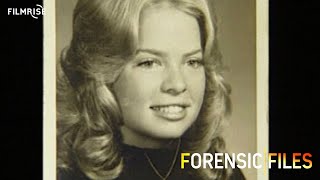
fifteen-year-old marlene was the one to
00:02:51
stay home
00:02:52
while her parents left for a night out
00:02:56
marlene planned to finish sewing a new
00:02:58
dress for an upcoming date
00:03:05
her parents returned home around 10 p.m
00:03:09
the television set was blaring
00:03:10
[Music]
00:03:14
a screen was missing from the bedroom
00:03:16
window and there was no sign of their
00:03:18
daughter
00:03:20
deputy sheriff o.r mcfarlane was one of
00:03:24
the first to arrive on the scene
00:03:26
it was obvious that we had a problem she
00:03:28
was in fact missing and there was some
00:03:30
foul play somewhere
00:03:31
[Music]
00:03:34
police found tire tracks on the dirt
00:03:36
road near the home and there was other
00:03:38
evidence
00:03:40
there was a set of boot tracks leading
00:03:43
out onto elder avenue from the dirt lane
00:03:47
there was a set of barefoot tracks
00:03:51
leading back into the lane
00:03:54
and which
00:03:55
got in and out of the car that was
00:03:56
parked there
00:03:58
nearby police discovered a pair of
00:04:01
mismatched workman's gloves and a belt
00:04:05
robert goode was the first journalist on
00:04:07
the scene covering the story for the
00:04:09
fresno b newspaper
00:04:12
once there he found more than a story
00:04:17
started walking down the bank of ways i
00:04:19
walked 150 feet down the bank and there
00:04:23
she was
00:04:25
marlene was floating face down in the
00:04:27
reservoir behind the family home
00:04:31
marlene's brother walt was searching the
00:04:33
area in a police helicopter
00:04:36
and as we flew over the home
00:04:39
[Music]
00:04:42
[Applause]
00:04:43
[Music]
00:04:48
the autopsy revealed marlene had been
00:04:51
stabbed in the chest although the wound
00:04:54
was not fatal there was water in her
00:04:57
lungs
00:04:58
so the cause of death
00:05:00
was drowning
00:05:02
marlene's wrists were tied behind her
00:05:05
back with a knot used by most area dairy
00:05:07
farmers
00:05:09
it had this little knot in it it was
00:05:11
something you could do very quickly
00:05:14
and
00:05:15
keep the cow from kicking him
00:05:18
there were no signs of sexual assault
00:05:21
but bruises on the body suggested
00:05:23
marlene bravely fought her attacker
00:05:27
in a search for witnesses
00:05:29
one of marlene's high school classmates
00:05:32
told police he saw a strange car near
00:05:35
marlene's house around the time of her
00:05:37
murder
00:05:38
he said it was awkward type blue fenders
00:05:40
he liked the paint on the car black on
00:05:43
the hood and black on the top and black
00:05:44
clear down the trunk
00:05:46
high school kid that kind of you know
00:05:49
53 plymouth looked pretty good to him
00:05:52
police had tire impressions at the crime
00:05:55
scene and a description of the car
00:05:59
now all they had to do
00:06:01
was find it
00:06:07
a witness saw a 1953 black and turquoise
00:06:11
plymouth parked near marlene miller's
00:06:12
home on the night of her murder
00:06:15
within hours
00:06:17
police found it
00:06:19
i remember hanford police department
00:06:20
came up with a car of that description
00:06:24
parked in front of the royal hotel in
00:06:25
downtown hanford on 7th street
00:06:28
when deputy sheriff mcfarlane peered
00:06:31
inside the rear window
00:06:33
he saw what would later become a crucial
00:06:36
piece of evidence
00:06:38
i could see a pair of boots back there
00:06:40
one was sitting flat and the other was
00:06:42
on its side
00:06:43
and with a flashlight i could see the
00:06:45
the tread looked to me like the same
00:06:47
tread that was out there
00:06:49
in tome lane
00:06:52
the car was registered to booker t
00:06:54
hillary jr a local dairy worker who had
00:06:57
recently been released from prison for a
00:06:59
previous rape conviction
00:07:02
one of his co-workers told police that
00:07:04
he saw hillary driving towards marlene
00:07:06
miller's home after work on the night of
00:07:08
her murder
00:07:10
and hillary's employer identified the
00:07:12
gloves found at the crime scene as the
00:07:15
ones hillary wore
00:07:17
the tires on hillary's car and the boots
00:07:20
found in the back seat
00:07:22
were similar to the tire and boot
00:07:24
impressions in the soft mud near the
00:07:27
crime scene
00:07:28
but that doesn't mean that he killed her
00:07:31
even though the gloves were pitched out
00:07:33
down the road where the car track said
00:07:36
that looked like his went
00:07:38
so everything was circumstantial there
00:07:40
was no real evidence
00:07:42
to put him in the home
00:07:45
booker hillary denied any involvement in
00:07:47
marlene's murder
00:07:48
[Music]
00:07:55
hillary said he drove by the miller's
00:07:57
home every day since he worked at the
00:07:59
dairy farm just down the road
00:08:01
he said his tire and shoe impressions in
00:08:04
the area meant nothing
00:08:07
booker hillary was arrested tried and
00:08:10
convicted of marlene miller's murder
00:08:13
he was sentenced to death
00:08:15
[Music]
00:08:18
once in prison hillary took full
00:08:20
advantage of the appellate process and
00:08:23
petitioned to have his conviction
00:08:24
overturned
00:08:26
it was discouraging especially for the
00:08:28
family that had to constantly relive
00:08:31
this nightmare every time this case
00:08:32
would come up
00:08:34
each time we go through this process
00:08:38
i keep thinking that maybe this is the
00:08:40
last process
00:08:42
that they will have to endure
00:08:46
and
00:08:48
they just keep coming and coming
00:08:52
frustrating sometimes a criminal justice
00:08:55
system to a police officer is
00:08:57
frustrating
00:08:58
all right
00:09:00
every appeal hillary filed was
00:09:03
unsuccessful
00:09:05
but in
00:09:07
the united states supreme court ruled
00:09:10
the death penalty was cruel and unusual
00:09:12
punishment
00:09:14
as a result
00:09:15
the sentences of everyone on death row
00:09:18
including booker hillary were commuted
00:09:20
to life in prison
00:09:23
the supreme court reversed their
00:09:25
decision two years later but the
00:09:27
commuted death sentences couldn't be
00:09:30
reinstated
00:09:32
booker hillary's legal maneuvering
00:09:34
continued
00:09:35
he appealed his conviction once again
00:09:38
this time claiming that blacks had been
00:09:40
excluded from the grand jury that
00:09:42
indicted him
00:09:44
in 1983
00:09:46
a judge granted that appeal and ordered
00:09:49
hillary either to be retried or released
00:09:53
what is disturbing about it is that this
00:09:55
was in 1983 the conviction occurred in
00:09:58
1962
00:10:00
and anyone can review the transcripts of
00:10:04
the grand jury hearing and determine
00:10:07
that you know no matter what race you
00:10:09
are you will find probable cause
00:10:14
robert moline was the prosecutor in
00:10:16
booker hillary's retrial
00:10:19
i knew that i had to find out exactly
00:10:21
what proof i needed because i obviously
00:10:24
had to retry this case and i had to
00:10:26
retry it 24 years after the first
00:10:28
conviction
00:10:30
the physical evidence still existed
00:10:33
but 21 of the original witnesses were
00:10:36
now dead
00:10:38
larry orth was the chief investigator
00:10:41
for the kings county da's office all the
00:10:43
people were dead
00:10:45
and to sit and have to read
00:10:47
hundreds of pages of testimony from 1962
00:10:52
65 1970
00:10:54
into into a record
00:10:56
of a present-day trial
00:10:59
can almost put you to sleep
00:11:02
so investigators took the physical
00:11:04
evidence and looked at it again this
00:11:07
time
00:11:07
with some new forensic techniques not
00:11:10
previously available
00:11:12
and found a surprise
00:11:17
[Music]
00:11:19
it had been 24 years since booker t
00:11:22
hillary was first convicted of marlene
00:11:24
miller's murder a conviction later
00:11:26
overturned on appeal
00:11:29
criminalist gary courtner examined the
00:11:31
physical evidence from the first trial
00:11:34
he started with the boots found in
00:11:36
booker hillary's car on the night of the
00:11:38
murder
00:11:40
the boots had been modified
00:11:43
the soles were the originals from the
00:11:45
wellington boot company
00:11:47
but the original white heel had been
00:11:49
replaced with the black one
00:11:52
he did this to keep his shoes from
00:11:53
wearing out as fast and in doing that he
00:11:55
made an
00:11:56
almost an individual shoe out of it
00:11:58
because of the two different components
00:12:01
courtner compared hillary's boots to the
00:12:03
shoe impression found near marlene
00:12:05
miller's home
00:12:06
they had the same soul the same custom
00:12:10
heel
00:12:10
and the same five individual cut marks
00:12:13
in the heel
00:12:16
next courtney compared the tires from
00:12:18
hillary's car to the tire impressions
00:12:21
found on the dirt road near the miller's
00:12:23
home
00:12:24
we were looking for
00:12:26
cuts or
00:12:27
rocks or anything that had been in the
00:12:30
tires and in this case we were very
00:12:31
lucky because there was a manufacturer's
00:12:33
defect that was picked up and there were
00:12:35
three cuts in the tires very close to
00:12:37
that
00:12:39
this placed booker hillary
00:12:41
in the vicinity of the crime scene
00:12:44
but not
00:12:45
inside the home
00:12:49
larry orth found something important
00:12:51
while reading through the transcripts
00:12:53
from the first trial
00:12:56
on the night of the murder 24 years
00:12:59
earlier
00:13:00
an alert detective asked marlene's
00:13:02
mother to vacuum the carpet in the
00:13:03
living room where her daughter was
00:13:05
abducted
00:13:06
[Music]
00:13:08
at that time
00:13:09
investigators found some unusual
00:13:12
microscopic particles in that trace
00:13:14
evidence but they didn't know what they
00:13:17
were
00:13:18
he said they didn't have the technology
00:13:20
to do other than just to compare him as
00:13:22
far as shape size and that was it
00:13:26
the football shaped particles found in
00:13:28
the vacuum cleaner bag still existed in
00:13:31
the evidence file and were sent for
00:13:33
analysis to an independent forensic lab
00:13:36
in chicago
00:13:39
skip palanek was the forensic
00:13:41
microscopist assigned to the case
00:13:44
having done microscopy since i was eight
00:13:46
years old i had seen particles like this
00:13:49
before and i knew what kinds of physical
00:13:51
phenomena produced this
00:13:54
under magnification of 300 times
00:13:58
palink recognized the particles
00:14:01
as paint
00:14:02
the kind sprayed from an aerosol can
00:14:06
throughout the particles were cotton
00:14:08
fibers
00:14:10
this explained why the paint particles
00:14:12
were round
00:14:14
when paint is sprayed from an aerosol
00:14:16
can
00:14:17
the round particles flatten when they
00:14:20
hit a surface like wood
00:14:22
when the paint dries it creates a
00:14:24
film-like covering
00:14:27
but if the spray paint hits a fiber
00:14:30
it reacts differently
00:14:32
if these spheres dry around nothing they
00:14:35
just retain that shape as their spheres
00:14:38
however if they come in contact with a
00:14:40
fiber
00:14:41
then what happens is capillary forces
00:14:44
cause the
00:14:45
the ends of the
00:14:47
sphere which starts out like this to
00:14:49
draw where they come in contact with the
00:14:51
fiber
00:14:53
scientists performed an electron probe
00:14:55
microanalysis to identify the elements
00:14:58
in the paint
00:15:00
every element that's in there has its
00:15:02
own x-rays that come off there are
00:15:03
different wavelengths and we collect
00:15:05
these different x-rays at the different
00:15:07
wavelengths or different energies and
00:15:09
from their energy or their wavelength we
00:15:11
can tell what elements are present in
00:15:12
the sample
00:15:14
the components were titanium
00:15:17
lead and iron
00:15:19
an infrared micro spectrophotometer
00:15:22
which looks more like a computer than a
00:15:24
microscope determined the paint's
00:15:26
molecular composition
00:15:29
the results are charted on a graph
00:15:32
and scientists learned that the paint
00:15:34
was an oil-based alkyd with a prussian
00:15:38
blue pigment
00:15:40
investigators now wanted to know where
00:15:43
these mysterious microscopic blue paint
00:15:46
particles came from
00:15:49
and they also needed to know
00:15:51
how they got onto marlene miller's
00:15:54
living room carpet
00:15:56
24 years earlier
00:16:03
as prosecutors prepared to retry booker
00:16:06
t hillary for the murder of marlene
00:16:08
miller they discovered new forensic
00:16:10
evidence
00:16:12
microscopic paint particles in the
00:16:14
victim's home encased in cotton
00:16:17
but in 1962
00:16:19
at the time of the original trial
00:16:21
the technology to identify these
00:16:23
particles didn't exist
00:16:27
but where did these paintballs come from
00:16:32
for answers investigators looked once
00:16:34
more inside booker hillary's 1953
00:16:38
plymouth automobile
00:16:40
surprisingly it was still in police
00:16:43
custody after all those years
00:16:47
in the forensic lab
00:16:49
scientists noticed that the ceiling of
00:16:52
the passenger compartment was lined with
00:16:54
a cotton material
00:16:57
and the material had been painted with
00:16:59
the blue spray paint
00:17:02
and pulling some of the headliner off
00:17:03
and examining it under the microscope i
00:17:06
realized that there were millions
00:17:07
of these things that had been
00:17:09
manufactured by him and spraying the
00:17:10
headliner and um and they were still
00:17:13
there it was kind of like they were
00:17:14
there for someone to find and i was
00:17:15
lucky enough to be the one that found
00:17:17
them
00:17:18
scientists vacuumed the inside of
00:17:21
hillary's car and analyzed the trace
00:17:23
evidence
00:17:25
they found thousands of paint particles
00:17:28
identical in color shape and chemical
00:17:30
makeup to those found in marlene
00:17:33
miller's home
00:17:34
at the end of all this analysis what we
00:17:36
have are first of all
00:17:38
green
00:17:39
paint spheres the paint is alkyd enamel
00:17:42
it's the same in both questioned and
00:17:44
known it has the same color when you
00:17:46
crush up little bits under the
00:17:47
microscope they show the same kinds of
00:17:49
crystal filler crystalline fillers that
00:17:51
are inside
00:17:52
the elemental composition is identical
00:17:55
the infrared spectrum from the molecular
00:17:57
composition is identical they both use
00:17:59
prussian blue
00:18:00
we couldn't say that you know it came
00:18:01
from the same spray can we're just
00:18:02
saying how did they get there they're so
00:18:05
unusual in shape why are they in both
00:18:07
places
00:18:08
investigators suspected that booker
00:18:10
hillary spray painted the interior roof
00:18:13
of his car
00:18:14
as he did the round paint particles
00:18:17
attached to the cotton fibers and
00:18:19
remained cylindrical as they dried
00:18:23
driving around town when hillary hit a
00:18:25
bump in the road the microscopic
00:18:28
particle shed
00:18:29
landing on his clothing and in his hair
00:18:33
these paintballs just followed him
00:18:34
around like a
00:18:36
virus and he didn't know they were there
00:18:38
prosecutors believe that when hillary
00:18:41
entered marlene's home on the night of
00:18:43
her murder those microscopic paint
00:18:46
particles dropped onto the miller's
00:18:48
living room floor
00:18:51
he uh became literally a walking trace
00:18:54
evidence factory
00:18:56
this evidence placed booker hillary
00:18:59
inside marlene's home
00:19:02
we had everything else
00:19:03
outside and a tenth of a mile away but
00:19:06
the paintballs put him in the house
00:19:09
that's how important they are
00:19:12
in 1986 based on this new forensic
00:19:15
evidence
00:19:16
booker t hillary was tried and convicted
00:19:19
once again for the murder of
00:19:22
fifteen-year-old marlene miller
00:19:25
he was sentenced to the maximum penalty
00:19:27
allowed
00:19:28
25 years to life
00:19:31
although the judge made it clear
00:19:33
that he would have imposed the death
00:19:35
penalty if he had been permitted by law
00:19:38
to do so
00:19:40
ironically
00:19:42
it was booker hillary himself who handed
00:19:45
investigators the forensic evidence used
00:19:48
to convict him
00:19:49
[Music]
00:19:50
local authorities had tried to sell his
00:19:53
car shortly after his first conviction
00:19:55
in the 1960s but hillary wouldn't allow
00:19:59
it
00:20:00
he in turn filed a motion in federal
00:20:02
court suing the county to stop him from
00:20:04
getting rid of the car
00:20:06
he dismissed the case and we decided not
00:20:08
to sell it
00:20:09
and thank you mr hillary
00:20:12
when i looked up that day
00:20:14
in the garage
00:20:16
and having seen that spray headliner was
00:20:18
just
00:20:19
indescribable i said this is it had he
00:20:22
have not saved the car for us
00:20:24
i would have never known where these
00:20:25
particles came from
00:20:28
today booker hillary is 71 years old he
00:20:32
was denied parole at his most recent
00:20:34
hearing in january 2003.
00:20:38
booker hillary is where he belongs he
00:20:40
should have been
00:20:41
in the gas chamber before this but
00:20:44
for whatever reason he
00:20:47
the system didn't take his life but he
00:20:49
is where he belongs he does not belong
00:20:51
back out of society
00:20:54
investigators credit the foresight of
00:20:56
the late art thomas the king's county
00:20:59
chief criminal deputy who in 1962
00:21:02
insisted that marlene's mother vacuumed
00:21:05
the living room floor where the
00:21:07
abduction took place
00:21:09
he kept that trace evidence in police
00:21:12
custody
00:21:13
that was the key to it and i know art
00:21:15
knew that was the key to putting him in
00:21:17
the house back then he was an
00:21:19
investigator and he was a damn good cop
00:21:22
[Music]
00:21:24
we can
00:21:25
do what some people think can only be
00:21:28
done in works of fiction we are i
00:21:30
believe that sort of the living
00:21:32
embodiment of sherlock holmes and dr
00:21:34
thorndyk and some of these kinds of
00:21:36
people and that we can take this little
00:21:38
speck of evidence and literally make it
00:21:40
speak
00:21:44
[Music]
00:21:59
[Music]
00:22:12
you