Why Western Style Is Going Mainstream
Ask about Knowledge at Wharton
Episode Description
ABOUT THE EPISODE Western culture is gaining new visibility across fashion, music, and entertainment. But building a brand around it without losing authenticity requires discipline.
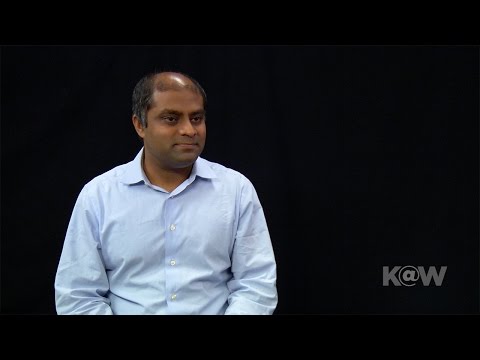
Samantha Fodrowski, Senior Vice President of Brand Marketing at Tecovas, explains how the company is making Western style approachable to new audiences while staying rooted in its values.
She discusses brand storytelling, country music partnerships, retail hospitality, the decision not to use a traditional loyalty program, and why Tecovas is investing in creative work designed to hold people’s attention.
ABOUT THE PODCAST Marketing Matters is hosted by Wharton marketing professors Barbara Kahn and Americus Reed. Each week they discuss marketing and advertising trends, consumer behavior, data and analytics, the latest in retail marketing, brand-building, and much more with their expert guests. Episodes are recorded at the Wharton School.
----- The Wharton School of the University of Pennsylvania is committed to sharing its intellectual capital through Knowledge at Wharton, the school’s online business analysis journal.
Launched in 1999, Knowledge at Wharton offers free access to:
- Articles, podcasts, and videos highlighting Wharton faculty research and analysis of current business trends - Interviews with book authors from Wharton School Press - In-depth series of curated content like Wharton Executive Education’s Nano Tools for Leaders - A searchable database of more than 10,000 articles covering all aspects of business - A weekly newsletter that delivers Knowledge at Wharton insights directly to your inbox
Visit the Knowledge at Wharton homepage: https://whr.tn/3qUpSBE Subscribe to the Knowledge at Wharton YouTube channel: https://whr.tn/3DEAgAU
Brief Summary
Tecovas is taking Western style nationwide through careful partnerships, welcoming stores, handcrafted boots, and storytelling that aims to preserve the brand’s authenticity.
Key points
- Making cowboy boots welcoming. Samantha says Tecovas aims to make trying cowboy boots feel less intimidating, with comfortable-from-day-one boots and a hospitable store experience.
- A Western story for a wider audience. Tecovas uses Western culture as a starting point for storytelling, while connecting its values of craftsmanship, optimism, and independence to people beyond the traditional Western audience.
- Growing with country artists. Through the Grand Ole Opry’s Next Stage program, Tecovas builds relationships with emerging musicians early in their careers, including Ella Langley, and grows alongside them.
- Welcoming newcomers without losing authenticity. The hosts raise the risk that broadening the audience could dilute Western culture’s distinctiveness. Samantha says the brand thinks about how to stay inclusive while honoring the culture and maintaining high standards.
- Knowing When to Say No. Tecovas is selective about partnerships that could dilute its brand equity. Samantha says the company is still building its foundation and wants customers to know it for more than its collaborations.
- Radical Hospitality, for Everyone. Tecovas stores welcome visitors with complimentary drinks, live music, and product customizations. The company intentionally skips a loyalty program so every customer can receive the same experience.
Episode highlights
- Making cowboy boots welcomingSamantha says Tecovas aims to make trying cowboy boots feel less intimidating, with comfortable-from-day-one boots and a hospitable store experience.“We want to make sure you have a really great experience.”4:45Nov 5, 2026
- A Western story for a wider audienceTecovas uses Western culture as a starting point for storytelling, while connecting its values of craftsmanship, optimism, and independence to people beyond the traditional Western audience.“We're really building the modern Western lifestyle brand.”13:30Nov 5, 2026
- Growing with country artistsThrough the Grand Ole Opry’s Next Stage program, Tecovas builds relationships with emerging musicians early in their careers, including Ella Langley, and grows alongside them.“It feels just really natural versus a pay-for-play opportunity.”15:04Nov 5, 2026
- Welcoming newcomers without losing authenticityThe hosts raise the risk that broadening the audience could dilute Western culture’s distinctiveness. Samantha says the brand thinks about how to stay inclusive while honoring the culture and maintaining high standards.“How do we honor the culture that exists while welcoming new people in?”18:06Nov 5, 2026
- Knowing When to Say NoTecovas is selective about partnerships that could dilute its brand equity. Samantha says the company is still building its foundation and wants customers to know it for more than its collaborations.“Where we say no is sometimes even more important than how we're saying yes.”20:23Nov 5, 2026
- Radical Hospitality, for EveryoneTecovas stores welcome visitors with complimentary drinks, live music, and product customizations. The company intentionally skips a loyalty program so every customer can receive the same experience.“We want everyone to feel just as welcome and invited.”24:25Nov 5, 2026
- A Timeless Western FutureSamantha hopes Western style will bring more people into the fold and become even more closely identified with America. Tecovas, she says, is focused on timeless style and quality craft rather than trends.“We're not about trends. We're about timeless style.”27:00Nov 5, 2026
- Creative That Earns AttentionRather than chase quick-hit content, Tecovas wants to make carefully crafted stories people choose to spend time with. Samantha says the human element will remain central to its creative work.“We want to tell stories that hold your attention for much longer.”27:35Nov 5, 2026
Transcript
A lot of nationalities and countries, like they have something that like draws you to and it feels identifiable. And I think when you look at America, what is more identifiable potentially than Western that you see, you know, cowboys in a cowboy hat or cowboy boots and denim. And that's really something that like makes up part of the DNA of American style and culture. Hello and welcome. You're listening to Marketing Matters on the Wharton Podcast Network. This is our weekly podcast where we analyze the latest in advertising, marketing, customer behavior, new product launches, branding, retailing, everything marketing. I'm Barbara Kahn, the Patty and J.H.
Baker Professor of Marketing. And I'm joined by my co-host, Americus Reid, the Whitney M. Young Jr. Professor of Marketing and the Identity Theorist. And today, we're joined by Samantha Fodrowski, who's the Senior Vice President of Brand Marketing at Tecovas. And if you haven't heard of Tecovas, you soon will. It's a fast-growing Western lifestyle brand that has cowboy boots and apparel and hats and things like that. And it's in more than 65 stores nationwide. And so we're going to talk with Samantha today about how you build a brand with a very clear point of view, very strong storytelling.
But you start with their local roots and kind of make it national. That's a tricky thing to do. So, Samantha, welcome to our show. Thank you so much for having me. It is a pleasure to be here. So, as one might guess, your company is founded in Austin, Texas. It's in Texas. Are you Texan? We sure are. I'm not Texan, but I, you know, hopefully they will adopt me soon. I've been here for 11 years now. Actually, nine days will make it 11 years. So, I've been here for quite some time, originally from New York. But I'm very happy. They have a saying in Texas, like, I
wasn't born here, but I got here as fast as I could. And I'm very happy to be here in Austin. Yeah. So, like, I think that it's a relevant question because I think this is a brand with very strong local identity. But it is supposed to be soon a national brand. Everybody should be wearing cowboy boots, I guess, according to you. That's for sure, yes. And so, we were founded almost 11 years ago here in Austin, Texas. And we're originally a direct-to-consumer brand. So, for the first two years, almost three, we were exclusively available online.
And it wasn't really until 2018, 2019 that we opened our first store here in Austin. And now, as you mentioned, we've grown nationally. So, we have over 65 stores nationwide, including New York City, Philadelphia. We're opening in the Pacific Northwest. We're in Miami and Chicago, as well as more traditionally western states and cities. So, Texas, we have great presence throughout Austin and Houston and Dallas-Fort Worth. And you've said you've been there for a while. So, how has that transition worked? Going from, I mean, in Texas, you probably don't have to sell it.
Everybody I know actually believes in the culture, you know. But like, as a New Yorker, I mean, it's not necessarily what comes to mind first. Definitely not what comes to mind first. But I think what we've found is that, you know, even if you're not someone who's grown up wearing boots every single day, there's something that resonates with people. And that's really the western values. Things like, you know, confidence and individuality. And I think that can be applicable across state lines and not even just nationally, but
internationally. And so, while we might not draw you in for the first time with cowboy boots, we think that we have different items that could appeal to you. And that's what's been really exciting to see. And when we look at our customer base, we have customers who have worn boots for generations, right? Like, because they were passed down from their grandfather and their fathers or their moms and grandmothers. And for those folks, I mean, cowboy boots have been around for over 150 years, right? And we're only 11 years old. So, we're just hoping to earn a place in their lineup of boots at that point.
That they're, you know, they're proud to wear a pair of Tacovus, in addition to the other boots that they've had for years. And for new folks, we're hoping to be the brand that welcomes you in for the first time. So, you don't feel as intimidated to either come into a store or try on a pair of boots or order them for the first time. We want to make sure you have a really great experience. And hopefully, we're bringing you in with this concept of hospitality and not feeling intimidated. Because I think cowboy boots can be kind of intimidating. Well, actually, I was going to ask you.
I do think they can be intimidating. Because I was trying to think about, like, what makes a cowboy boot different than another boot? You know, like, and what is the structure? And, like, Texans, they wear them every single day. So, presumably, they're comfortable. I don't know if I'd want to walk five miles in cowboy boots. Like, I'm not sure exactly how they work. But what is the difference, just intrinsically, in a cowboy boot versus another stylish boot? Yes. Well, our boots are made primarily in Leon, Mexico, which is known as the cowboy boot capital of the world. And each of our boots has over 200
steps, and they're made by hand. And so, you can find boots made with different materials, different methods. But we really think that we have found really great methodology to making boots. And again, we look at each of the steps within the process to ensure that they're as comfortable as can be, and that we're using the best materials possible. And so, it's actually interesting that you say that, because traditionally, people don't assume cowboy boots are very comfortable. In fact, like, there's the saying you have to break in your boots. And so, when Tecobas was founded, one of
the things that was most important to our founder was the fact that boots shouldn't take you, you know, months to wear in, to break in. And instead, they should be comfortable from day one. And so, that is really a value proposition that we have at Tecobas, is that we want you to feel like you can walk, you know, those five miles the first time you put the boots on. And so, we have some really interesting construction methods, including hung leather lining, which is a part that you would not necessarily see. It's not something you would notice, like, naked
eye of someone walking down the block that our boots contain that. But it's actually leather lining inside the boot, down the shaft, all the way through the foot, that makes it feel, wear and feel a lot more comfortable as you're walking around in them and wearing them. And so, they're not really rubbing in ways that are gonna, like, give you blisters and things. And we talk about the thump that you should hear, because when you put the boot on, you want your heel, you want there to be a little bit of space, about a half an inch, in fact, so that they're not rubbing and you're not having to feel like you, you know, have to walk
around or get blisters in order to break them in. Yeah, that's super interesting. I want to build on that point, though, as, because, you know, I was preparing for this episode, Samantha, and I know absolutely nothing about boots. So, I love Barbara's first question, which is, like, just level set. I'm the first person who would wear Boots Americas, no? Well, I'm gonna learn about it in the next, yeah, 20 minutes, for sure. But to build on Barbara's point, because the first thing that was percolating my mind was, okay, what makes a really good boot? And you've described that a little bit. But I want to sort of, I want
to point that to the direction of what you said with respect to new users and the idea of, you know, you're trying to attract as many new users as you possibly can. You've got existing users. So, how do you balance the, a new user may not understand, like, all of the 200 handcrafted movements and all this kind of stuff. So, how do you bring them aboard? How do you educate them so that they can appreciate all of this stuff? In this sort of invitation into the community as a new user? And that's a great question, because we have customers on all sides of the spectrum. And I think what's really interesting when it
comes to how we share that message, you know, you can find it in a bunch of different ways. So, one is our employees. And I would say that we have some of the most knowledgeable sales associates of any brand at any store. And they love the product. And so, anytime that there's anything new or any updates made, they're the first folks to really know about it. That we want to make sure that they have all of that information so that when somebody comes in and pulls a boot off a shelf and has a question, they know all of the answers. In fact, I go into stores often, and
they know way more than me. And I'm like, oh my gosh, I didn't even know that about this pair of boots. And I think it's so cool that they can tell me about the material and how it was treated and why one boot might be, you know, better for one occasion than another. And so, there are certain things that I feel like, you know, where we really want to empower our sales associates first and foremost, because they're truly on the ground. They're the ones providing that hospitality in stores. They're the ones who are having those direct conversations with the customers. Similarly, our customer experience team and our social
team who are answering and fielding questions that may come in. Let's dig into that because you were saying like, and I think that's an important piece, particularly for our show, the marketing campaign, which is different than the product per se. And so, in the marketing campaign, there's a couple things that you've done. One, you've had a Super Bowl commercial. So, you're obviously doing advertising and you're creating a film and you're creating a lifestyle and you're creating story. And then also, as you mentioned, you were direct-to-consumer first, and now you're opening stores. And in the store, you can have this
brand experience, you know, which is more than just the product expertise. You're also creating this lifestyle. And so, that whole idea of creating what the brand means around the product is a very important part, I'm imagining, of your job. So, what are your thoughts on that piece of it? Well, I think the really fun opportunity that we have is to bring Western style and culture, which really is American. When you think about, like, a lot of nationalities and countries, like, they have something that, like, draws you to, and it feels identifiable. And I think when you look at America,
what is more identifiable, potentially, than Western? That you see, you know, cowboys in a cowboy hat or cowboy boots and denim, and that's really something that, like, makes up part of the DNA of American style and culture. And so, I think that really, for us, becomes this jumping off point. And then, as, you know, someone, a brand that's new in the space, again, of boots that have been around for as long as they have and are as storied in history as they are, you know, we're approaching it, I think, a little bit differently. Because we want to be very deferential to the brands and the makers who have been
doing this for years and generations, while also looking towards, well, what does this mean for the future of Western style and American style? And how can we help steward that? And I think that's really the challenge and the opportunity that we look at, is how we can bring more people into this fold. And, you know, there have been Western trends throughout the years, certainly. But what we're seeing now is that this doesn't really feel like it's a trend anymore. This really is a customer segment. And we think that we're able to, you know, be a lifestyle brand that is able
to welcome more folks in who might not have, you know, traditionally even considered wearing boots or, you know, more Western style denim. And so when we look at the creative and our marketing campaigns and how we are bringing more attention to the brand, we're really going after story first. You know, you'll find out about the product once you get here. And we have a lot of different opportunities to tell you about the product, both online and in the stores, etc. But I think where we have really begun to build this moat is around the really beautiful creative that the team has taken on and the campaign storytelling. So is the story, the story's the West,
the story's Texas. And so how do you make that unique? Because like you said, I mean, I had cowboy boots when I was in high school. I doubt I had your cowboy boots. So how do you make this whole story of Texas and the West and America wrap around your brand in particular? I mean, because you don't want to just build desire for cowboy boots. You kind of want to build desire for your cowboy boots, I'm assuming. For sure. Well, yes and no, because I think the way we look at it is more boots on feet, the better. Whether they're ours or they're, you know, another brand boots, it's really great to see people
embracing, you know, Western style. But for us, we're not just selling boots. We're really building the modern Western lifestyle brand. That's really the charge that we're taking. And when we look at our brand North Star, it's to honor the West and craft its future. And so I think a lot of that is the opportunity to preserve what people love about Western culture. And that, you know, extends far beyond just Texas. But then it's also, you know, diving into these elements of craftsmanship and optimism and independence. And we think that, you know, those are our values that really transcend just Western. And making it feel relevant to a broader
audience than maybe just your traditional core Western audience. So we feel like we have something for everyone. And that through some of our storytelling and the marketing that we're doing, we're able to connect on those levels versus just speaking to the core traditionalists. So one of the ways to do that might be through these partnerships, like who you choose to partner with, who you choose to collaborate, and that shared brand equity. So can you talk a little bit about the brands that you have formed partnerships with and why you chose those? Yes, absolutely. So, you know, a core tenant here at Tecovis, we have several, but one of the
biggest ones is music. And so from the earliest days, certainly country music was an opportunity for us to make these brand connections. For example, we have a longstanding partnership with the Grand Ole Opry out of Nashville. And they have this fantastic program called Opry Next Stage, where each year they welcome a class of up-and-coming musicians. And they give them opportunities to perform all throughout the year. What's incredible is that every single year, the class just becomes more and more recognized. But it enables us as Tecovis to establish relationships with these musicians really early on in
their careers and be with them throughout. And so that's something that feels really important to us in terms of partnership, that we're not just shooting for, you know, who is already at the top of their game right now, but how can we be along for the ride and help to, you know, encourage them and, you know, work on that together. And so, as an example, two years ago, who was in that class? Ella Langley. And so we were able to form a relationship with Ella. We got to be part of her very first ever music video, and we've been working with her ever since.
And it feels just really natural versus a pay-for-play opportunity when you have these relationships that can, you know, actually withstand time in years and the growth on both sides. Like, as we're growing, she's growing, and not just Ella, but so many other musicians that we have, you know, established relationships with over the years. So it sounds like you're trying to, and I know this is America's stuff, so America's just cut right in here and do it. But like this whole idea of the brand you're going to pick are going to be culturally relevant, part of the brand's identity.
So you're talking about, like, country, western music, you know, PBR and NASCAR and things like that. Absolutely. You're building, like, a lifestyle around your brand with those brands that would naturally be together in this American West that you're trying to create. Yeah. And let me build on that as well, because I think there's a very interesting, maybe I'm wrong about this, but I think I perceive a very interesting tension in all of this. And that's to say, Samantha, that when I think about the Western lifestyle that Barbara was talking about, I have clear imagery in my
mind as to what it means. And from that point of view, it's almost like that's a double-edged sword in some sense, because I have very clear ideas about what I think this is. But when you're trying to quote, talk to a broader audience, then I wonder if there's tension there, because at the same time as we, you know, more feet in boots is awesome idea, but is there a challenge that's associated with losing the uniqueness, losing the sort of idea that it's a special kind of niche culture that people can clearly understand. And like, if I invite everybody in, like
sort of explicitly, I might lose some of that kind of specialness. I mean, is that a point of view that's incorrect? Is that a point of view that you think about? So how do you sort of navigate that, if that makes sense? No, I think you're right on the money with that statement, because it's something that we think about constantly. And how do we not lose the specialness of, you know, the culture? How do we honor the culture that exists while welcoming new people in? And we think that there's really room for everyone. We think that we can be, you know, incredibly inclusive while also maintaining really fantastic standards,
not only from the product, but how we're welcoming people in. Yeah, but I think there's a tension. I mean, if you're too inclusive, you lose the authenticity. Sure, yeah. That's why I think the idea that you were picking some of these brands, I mean, for example, Country Western, just as an example. Not everybody likes Country Western music, you know, and you're going to double down on that. You're going to double down on NASCAR. You're going to double down on certain divisions that really aren't that exclusive in a way. And that's kind of what's good about it.
I mean, I think that's what Americas is asking. Yeah, yeah, because to Barbara's point, Samantha, when you said, when Barbara said country music, I immediately thought of, like, Beyoncé and her country songs she did. Her whole album. And the fact that Post Malone came out. But exactly. But to Barbara's point, though, it's like there is this very interesting idea that says, you know, and there have been lots of brands that have tried to reach out to different groups and have gotten into trouble because the core users have said, wait a second, what's
going on here? And, you know, and so those examples are well known, so we won't name them here. But so how do you, to Barbara's point, like, how do you make sure you're not, watering it down, taking on that kind of a risk? Yeah, watering it down, turning it into something that loses its authenticity. A hundred percent. Well, I think we start with the folks who, again, share those values. And I think that's where we're able to welcome people in. We're not trying to be a brand for everyone, but we want to make sure that if you have interest in Western or in the styles that we're creating, that there is
a place for you here. And so even when it comes to partnerships or where we're running our commercials, for example, or where we're turning up, where the stores are being placed, I think where we say no is sometimes even more important than how we're saying yes to certain partners. And so I think like these are all great examples because certainly we saw, you know, so much excitement around Beyonce's album, but then equally there was backlash within the country music community. But now we're seeing with country music, over 52% of Americans, adult Americans across the
country listen to country music, which is fascinating. And the fact that Ella Langley herself just had the longest running streak on the billboard as the number one song beating all I want for Christmas is you. Mariah Carey who previously held that record, which is just unbelievable. So certainly see that there is a lot of excitement around it, but it's not waning. And that's what I think is really, you know, something that we feel excited and believe that again, it's just, it's not a trend. And so I think, sorry, go ahead. Yeah, no, no, please, I'm sorry.
I just, Barbara made a point that I want to unpack just a little bit, Samantha. You said, tell us about what would you see that would lead you to say no? What's your no? Oh my goodness. What's the no? There's, I'll be honest, there's- Yeses in some ways. There's a lot of no's. So like you said, so we have partnerships within country music and Americana as well. So it's not only country artists that we work with, but you know, it's growing the musicians and the artists that we work with. You mentioned NASCAR. We have great partnerships in NASCAR. Ryan Blaney is a brand fan and he's
an ambassador of ours who we're so proud of. Here in Austin, we have COTA, the racetrack. So Formula One is really big. College football is huge for us. And while we don't have any official partnerships with any of the schools, it's something that we know is really important to our audiences. So it's where we choose to spend a lot of our advertising dollars during, you know, college football games. But at the end of the day, we are thankfully, which is a really nice place to be, on the receiving end of a lot of brands or entities reaching out to us, wanting to partner.
And like you said, a lot of times it just doesn't feel like a right brand fit for us because there are people who are picking up on Western trends and the winds that are pointing to Western being like trendy and cool and in the moment. And we don't want to say yes to those opportunities. So I won't, you know, mention any specifically by name, but it's just, it's really fascinating to see. And some of them are incredibly exciting. Ones that like in past lives, I would have been like, we absolutely have to say yes to this. But when there's a chance that it could
dilute the brand equity and especially being so new, really our charge as a marketing team right now is we're still building the foundation. We don't want people to learn of us only through our partnerships. Certainly you have partnerships so people can start to learn about the brand, but we have to have like real need on the bone once they get to know us. And so I think at this point, we're trying to be very, very selective about who we work with, how we work with them, be it an individual or with a partner entity or even a brand for collaboration. So let me go into another area which
I'm curious because I do think this idea that we're pushing on, the authentic what you are and what you're not is really important in building it and your tools for building it. One of these things are the physical stores and what we're seeing now is the importance of customer experience and the lifestyle that you're building within the store. So I don't know if that's what you do or other people in your organization do it, but if I went into a store, what experience am I going to get besides just seeing the products? Like how are you building that lifestyle into your store?
I think our stores are the best expression of our brand. So we at Tecovas embrace this philosophy of radical hospitality. And so any store that you come into, you'll be welcomed, you'll be offered a free drink. We have a bar in almost every store. Utah, we're not able to offer alcohol, but we still have free beverages and always complimentary, right? And so we want you to come in. We often have live music in our stores as well. And it's really the truest expression of radical hospitality. We want to welcome you in. Whether or not you're going to purchase a
pair of boots or anything, we want you to get to know us and to get to know the product. We have customizations available at all of our stores. So iron branding with an open flame, you can get your initials on your boots or your hat or anything like that. That's cool. That's available in all of our stores as well. And I think something else that's really interesting to point to is the fact that we actually don't have a loyalty program. And that's intentional because we don't want any one customer to feel so much more important than another to the customers or to our
employees. That we don't want someone walking in and it's like, oh, they've spent $10,000 with us, so we want to make sure they get better experience than John walking in off the street who has no history with us. We want everyone to feel just as welcome and invited to the store itself, the events that we host. That runs against a lot of retailing decisions. Yes, yes. Yeah, no. And it's been, you know, a hot topic of conversation always, but we always come back to the fact that we really just want that experience to be the same for everyone
and just as good for everyone. So while we certainly like have special things that we have a lot of wonderful people who will come in and get boots for their wedding and we want to always go above and beyond for them. There are so many incredible customer stories that we have that we've never talked about. And I just think it's like really a testament to what we're trying to build. And it's not a one and done. It's like how we create long lasting relationships. And again, that can be, you can come into a store five times before you ever decide to make a purchase from us, but we want to welcome you just the same.
Oh, that's cool. You know what's interesting? We're out of time. Oh, no, it's too bad. Ask your question. Barbara's like, I'm on a strict schedule here, dammit. But this is a really quickly, give us the, we want to put you in the time capsule and the crystal ball and tell us what the Western lifestyle looks like in 10 years. What does this thing look like? How does it evolve? 10 years. How's it going to be different? I mean, gosh. Yeah, five to 10. I just really hope that we've brought more people into the fold. I foresee, again, I think Western is going to really come to identify with America in
even stronger ways than we see today or in the past. And so that's what I'm most looking forward to. And I think styles may come and go, but what we have as our core foundation, I think is here for forever. We're not about trends. We're about timeless style and really quality craft with the products that we're making. And what I really am hoping is that our take on creative is that we want to tell stories that earn people's attention. And I think when we look at today and especially in the age of AI and social media, where everything is so quick hit, like you need to grab someone's attention in
that first second, we want to tell stories that hold your attention for much longer, which was the impetus behind Love Letter to Texas, the short film, is really crafting something that people want to spend time with. And so when we look at our marketing and creative philosophy, it's the same as what we look at for our product, which is craft leads all. And so the same handcraftedness that goes into making a pair of boots, we want applied to the creative that we're making and the campaigns that we're doing. And so really see the human element being something that is never going to be taken
out of the creative that we're doing. We want to invest more heavily in the stories that we're telling and to earn people's attention and trust. OK, well, that's great. Thank you, Samantha, Senior Vice President of Brand Marketing at Tecovas. Thank you so much for joining us today. So how do people find your stores or find out where you are? Like, I didn't even know there was one in Philly. How do we find that out? Oh, my goodness. Yes. So tecovas.com, we've got our store locator there. We'll have 70 stores before the end of this year. We are also in several hundred wholesale accounts across the country, which is super exciting.
And then on social media at Tecovas on Instagram and TikTok and everywhere on social. That's terrific. Thank you so much. It was such a pleasure. Yeah, that's all we have time for today. We'd like to thank our producer, Jacob Grodnick, and thank you all for listening. We'll be back soon. Till then, this has been Marketing Matters on the Wharton Podcast Network. I'm Barbara Kahn, here with America's Read.