00:00:00
[Music]
00:00:03
this podcast is brought to you by
00:00:04
knowledge at Warton please visit
00:00:06
knowledge. won. up.edu for more
00:00:12
information days before the government
00:00:14
stepped in to rescue Fanny May and
00:00:16
Freddy Mack knowledge at Wharton chatted
00:00:18
with Mark xandy the chief Economist and
00:00:20
co-founder of what is now Moody
00:00:22
economy.com about his new book Financial
00:00:25
shock a 360° look at the subprime
00:00:29
mortgage explosion and how to avoid the
00:00:31
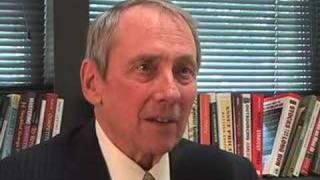
next financial crisis Mark xandi Chief
00:00:33
Economist and founder of Moody
00:00:35
economy.com has a new book about the
00:00:37
subprime mortgage crisis Financial shock
00:00:40
knowledge at Wharton talked to zandi
00:00:42
about his findings today's economic
00:00:44
conditions and what should be done to
00:00:45
get out of this crisis and avoid another
00:00:48
welcome Mr xandy it's good to be here
00:00:50
the uh subprime crisis is one of those
00:00:52
things that has unfolded peace meal and
00:00:54
has taken over a year and a half and
00:00:56
some elements of it started much earlier
00:00:59
and now we have have your book uh which
00:01:02
puts it all into one place and describes
00:01:04
it all and provides a lot of uh
00:01:06
additional data and insight that we
00:01:08
haven't had before and I'm curious that
00:01:12
in in researching this book what you ran
00:01:15
across that really surprised you beyond
00:01:18
what you knew from having followed the
00:01:19
whole story as it was unfolding right
00:01:22
well uh many things surprised me but uh
00:01:24
the most fundamental level was the just
00:01:27
how egregious the The Lending had become
00:01:30
at the peak of the housing boom it
00:01:32
wasn't just simply uh making loans to
00:01:35
people with low credit scores it was
00:01:37
making loans to people with low credit
00:01:39
scores with uh no down payment or down
00:01:42
payment assistance with no proof of uh
00:01:45
income uh and uh just enormous amount of
00:01:49
risk layering that was going on you know
00:01:51
I had a sense that obviously
00:01:52
underwriting standards in the mortgage
00:01:54
industry had fallen I had no concept to
00:01:57
what degree they had declined and that
00:01:59
that's a bit Sur Ur rising to me because
00:02:01
many of my uh clients are in the
00:02:04
industry uh they're mortgage companies
00:02:07
uh mortgage insurance companies The
00:02:09
Fanny May and Freddy Max of the world
00:02:11
and I thought I had a pretty good
00:02:13
understanding I thought it was bad but I
00:02:15
I had no understanding of how bad it
00:02:17
really was and this refers to things
00:02:19
like the no do loans or liar loans as
00:02:22
people came to call them and the 100%
00:02:24
mortgages and know there sort of eroding
00:02:26
of underwriting standards that were
00:02:28
supposed to be the the safety net that
00:02:30
kept these things from collapsing yeah
00:02:32
exactly I mean if you go back early in
00:02:35
the housing boom say 2004 um maybe early
00:02:39
05 uh the extent of the lending was uh
00:02:43
aggressive lending was just giving loans
00:02:45
to people who had problems making
00:02:47
payments on other kinds of credit bad
00:02:49
credit scores uh but the lenders would
00:02:52
require a pretty sizable down payment
00:02:54
and certainly proof of income uh and a
00:02:56
stable job by the end of 2005 and into
00:03:01
2006 all of that had just evaporated and
00:03:04
lenders weren't checking anything uh
00:03:07
they weren't uh weren't even doing
00:03:09
appraisals on the property so uh it was
00:03:12
uh really the Wild Wild West uh to a
00:03:14
degree I I did not know and could not
00:03:16
have imagined just to go back a second
00:03:19
one of the one of the things that
00:03:21
happened in the in the buildup to all of
00:03:23
this was that that you mention in the
00:03:25
book in some detail that other people
00:03:26
have talked about is this period when
00:03:29
risk was seemed non-existent and and
00:03:33
that risky Securities like uh junk bonds
00:03:36
and Emerging Market debt and some of
00:03:38
these mortgage back Securities we're
00:03:41
we're trading at prices that offered
00:03:42
yields that provided almost no risk
00:03:44
premium at all and and apparently that
00:03:46
was a mispricing that we now know that
00:03:48
they were much riskier than people
00:03:50
thought the two questions which is what
00:03:52
caused people to be so sanguin about
00:03:54
risk and where do we stand now are we
00:03:57
are we overestimating risk have we
00:03:59
gotten too nous Serv or uh is it just
00:04:01
impossible to tell what risks are well
00:04:04
in part uh there was a fundamental
00:04:05
reason for this optimism and that it
00:04:07
goes to the global economy itself uh the
00:04:10
ups and downs in the economy seem to be
00:04:13
moderating was called the Great
00:04:15
moderation and there's some good reasons
00:04:18
to believe that our economies are more
00:04:21
stable than in the past and so if you
00:04:23
have a more stable economy then uh it
00:04:26
makes uh risk premiums for financial
00:04:28
securities uh make there logical to
00:04:30
expect that they would come in and
00:04:32
wouldn't be quite as wide you're just
00:04:33
not going to have big recessions and big
00:04:35
bankruptcies and lots of credit problem
00:04:38
so you don't need as much of a risk
00:04:39
premum so there I think is a good sort
00:04:42
of fundamental explanation for it but I
00:04:45
think they got carried to an extreme uh
00:04:48
and people started in a sense
00:04:50
forecasting with a ruler and you know uh
00:04:53
most forecasting is done that way if the
00:04:55
price of something's going like this
00:04:57
it'll keep going like that Prices rose
00:04:59
last year by 10% and they Rose 10% the
00:05:02
year before that what do you think the
00:05:04
price increase is going to be next year
00:05:06
10% right and so you start building that
00:05:10
into your forecasting and and uh you
00:05:13
tend to take more risk uh in response
00:05:15
the third thing is there was just a lot
00:05:17
of of U of liquidity a lot of cash you
00:05:22
can remember uh liquidity raining
00:05:25
everywhere and there's a lot of
00:05:26
discussion as to you know what drove
00:05:28
that uh part of it was very aggressive
00:05:31
monetary easing back earlier in the
00:05:33
decade uh it was also related to the
00:05:35
fact that we have this very large
00:05:37
current account trade deficit so we're
00:05:39
pumping out dollars buying goods
00:05:41
produced overseas and that's putting
00:05:43
dollars out there to be invested uh and
00:05:45
that provided a lot of liquidity and so
00:05:47
money managers investors uh had lots of
00:05:50
cash lots of liquidity and they have to
00:05:52
put that to work uh they just simply
00:05:55
can't uh put it on the sidelines and
00:05:58
wait for something bad to happen
00:06:00
they could do that maybe for a year but
00:06:02
if in that year Prices rose 10% they
00:06:05
can't do that in year two because no one
00:06:07
will invest with them they're saying
00:06:08
what the heck are you doing I gave you
00:06:09
my money to make to put it to invest it
00:06:11
in whatever it is you do and now you're
00:06:13
not doing that so inv the the
00:06:16
professional money managers the the
00:06:18
folks that were taking these these
00:06:19
Global investor dollars and and
00:06:21
funneling it through these these these
00:06:24
these Investments really felt like they
00:06:26
had no choice they actually felt
00:06:28
uncomfortable have many money managers
00:06:30
as client they they just knew that this
00:06:32
wasn't right but it didn't feel right
00:06:34
you know you go to conferences and
00:06:37
everyone's hand ringing that this this
00:06:39
doesn't make sense but that doesn't
00:06:41
matter because I've got cash to invest
00:06:44
and I'm going to I'm G to have to invest
00:06:45
it and so they were they were they were
00:06:47
willing to accept uh a a infinitesimal
00:06:50
risk premium for buying Emerging Market
00:06:53
one asset class to the next right I mean
00:06:55
you you you look for first thing you got
00:06:57
a ripple effect yeah because you know
00:07:00
you buy one asset the risk premiums come
00:07:02
in then you go okay well this asset has
00:07:04
a higher risk premium so let me go
00:07:06
invest in that that risk premium comes
00:07:07
in and then you know at the peak you
00:07:09
know going back to 2006 end of 2006
00:07:12
early 2007 right before the financial
00:07:14
shock risk premiums on everything junk
00:07:17
corporate bonds uh mortgage back
00:07:20
Securities uh commercial mortgage back
00:07:23
Securities uh uh uh investments in in
00:07:27
direct investments in property
00:07:28
everything all the wrist spreads were as
00:07:31
narrow as they have ever been it seems
00:07:32
to me that a lot of people in this
00:07:35
circumstance would kind of you know draw
00:07:38
the line at what went wrong here as the
00:07:40
the the innocent bystanders who was hurt
00:07:43
all of us who did not take out crazy
00:07:44
mortgages and see our home prices fall
00:07:47
or see our stocks fall that sort of
00:07:48
thing so what you know where sort of
00:07:50
along that Continuum you know would
00:07:53
would the should the proper amount of
00:07:55
Regulation be what should its goal be
00:07:58
just to protect the innocent or to to
00:08:00
guide the markets more in in a in a
00:08:03
deliberate fashion in a certain
00:08:04
direction well you know my view is that
00:08:06
it's important to set down some basic
00:08:08
rules that uh that uh you need certain
00:08:11
levels of capital and these are the ways
00:08:13
you measure capital and these Capital
00:08:16
levels need to be uh uh equivalent
00:08:20
across all financial institutions that
00:08:23
the entire credit risk in the financial
00:08:25
system is at least being monitored so
00:08:28
that everyone can see it and we have
00:08:29
something palpable that we can measure
00:08:31
and have an understanding of well is the
00:08:33
risk level of risk Rising is the level
00:08:35
risk falling we need to have rules that
00:08:38
increase transparency we talked about
00:08:39
transparency in in the trading of
00:08:41
Securities but also in terms of the
00:08:43
balance sheets of the institutions that
00:08:44
are in our financial system so you know
00:08:46
I think it's it's it's not saying that
00:08:50
this is a bad mortgage loan or this is a
00:08:52
good credit card loan or there's some
00:08:54
basic things we might want to lay out
00:08:55
with regard to that like don't make a
00:08:57
mortgage loan to someone you don't think
00:08:58
who can repay you that makes sense sense
00:08:59
to me but it's pretty basic but it's not
00:09:02
it's not as much that as it is you know
00:09:04
sort of the basic rules of the game and
00:09:07
have a regulator that can sort of watch
00:09:09
over the entire system as opposed to
00:09:12
just a part of the system and a better
00:09:14
sense of knowing what's going on and
00:09:16
just having the information I mean I'll
00:09:18
to end it this way we still don't know
00:09:21
really don't know how many people are
00:09:22
being forclosed on no one knows and
00:09:25
that's not the fod of good policymaking
00:09:28
well let's come back next here and talk
00:09:29
about it again I would appreciate it
00:09:31
thanks for the opportunity thank you
00:09:32
very much and good luck with the book
00:09:33
Thank
00:09:36
you for more information please visit
00:09:38
knowledge. won. up.edu
00:09:42
[Music]