00:00:02
this podcast is brought to you by India
00:00:05
knowledge at Wharton please visit
00:00:06
knowledge Wharton UPenn dot edu slash
00:00:10
India for more information
00:00:14
inclusive growth infrastructure
00:00:17
development and collaboration in science
00:00:19
and technology where the major themes
00:00:21
discussed at the recent Global
00:00:23
Partnership summit organized in
00:00:25
Washington DC by the us-india Business
00:00:27
Council business and political leaders
00:00:29
from both countries participated in the
00:00:32
event which also marked the u.s. IBC's
00:00:34
33rd anniversary Indian knowledge at
00:00:37
Wharton spoke with business leaders at
00:00:39
the event about the challenges they
00:00:41
faced doing business in a rapidly
00:00:43
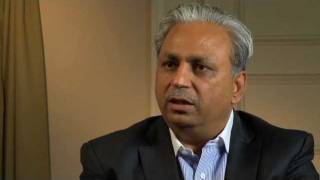
globalizing economy our guest today is
00:00:45
rod Jiang president of Walmart India mr.
00:00:49
Chen thank you so much for joining us
00:00:50
today my pleasure
00:00:51
before you joined Walmart could you tell
00:00:54
us about your career at whirlpool and
00:00:56
Unilever yes for sure I am an engineer
00:01:00
actually by education and I soon after
00:01:03
my engineering I joined Unilever where I
00:01:06
worked in both in Europe as well as in
00:01:08
India for 16 years and various
00:01:10
assignments and manufacturing logistics
00:01:12
supply chain and marketing and then I
00:01:15
moved to whirlpool in the supply chain
00:01:17
area and then finally I was the managing
00:01:20
director of whirlpool India and then
00:01:22
moved on to a regional role in Shanghai
00:01:24
in China and then for last two years
00:01:27
I've been working Walmart was based in
00:01:29
Shanghai recently moved to India with a
00:01:31
view to run a joint venture in India how
00:01:35
did you move to Walmart come about well
00:01:39
having worked for 10 years in whirlpool
00:01:41
I was kind of getting a bit tired of
00:01:44
selling appliances and and that industry
00:01:46
so I was looking for a change and I got
00:01:49
a call from somebody and they said
00:01:50
Walmart was looking for a president of
00:01:53
emerging markets to evaluate entry of
00:01:55
Walmart and new countries outside of
00:01:58
where Walmart was already present seemed
00:02:00
like an interesting challenge I
00:02:02
interviewed and led to this new job
00:02:05
Walmart is the world's largest retailer
00:02:07
and the number one company on the
00:02:09
fortune 500 but Walmart in India is not
00:02:13
really in
00:02:13
retail business could you please explain
00:02:16
this curious fact to people who may not
00:02:18
know the whole story
00:02:19
sure I think it terminates out of you
00:02:23
know the fact that in India currently
00:02:25
retailing is a protected sector and the
00:02:28
government does not allow any
00:02:29
multinational to operate and retailing
00:02:32
so no foreign investment is allowed in
00:02:35
retailing other than in wholesaling and
00:02:39
also in 51% in a single brand retail
00:02:42
which of course is not a business model
00:02:44
so that's why we do not have any
00:02:47
retailing in India what we propose to
00:02:49
have in India is wholesale cash and
00:02:52
carry business which is only permitted
00:02:54
for business members and then we are
00:02:57
also a franchisee soar to a retailing
00:03:01
company which is party retail who are
00:03:03
our joint venture partners who will run
00:03:06
and own stores but we do provide them
00:03:08
with merchandise and management
00:03:10
expertise to do so how exactly would
00:03:12
that business to business model work I
00:03:14
think the way it works is essentially
00:03:17
India is a nation of retailers if you
00:03:20
look at it India has 12 million Khurana
00:03:22
stores which you know per capita given
00:03:25
even the population of India is I
00:03:27
believe the highest in the world so we
00:03:29
have a lot of small mom-and-pop stores
00:03:32
in India catering to all kinds of
00:03:35
consumers these Kirana stores
00:03:38
traditionally buy from wholesale markets
00:03:41
and some of them are also serviced by
00:03:43
directly by manufacturers in fact India
00:03:46
has one of the most evolved distribution
00:03:49
systems by big companies so companies
00:03:51
like Unilever for instance and ITC have
00:03:54
probably one of the most evolved
00:03:56
distribution systems in India and they
00:03:58
service just close to a million of those
00:04:00
12 million Kirana stores directly which
00:04:03
basically means that you know 90% of
00:04:06
Khurana stores actually have to go to
00:04:08
wholesale markets to buy products and
00:04:11
there is a very evolved wholesale
00:04:14
network in India for products which
00:04:17
these Khurana stores get serviced from
00:04:19
it is a low-cost operation but it is
00:04:23
also very inefficient and especially
00:04:25
when you move to
00:04:27
to produce areas fresh merchandise
00:04:30
fruits and vegetables meat and so on and
00:04:33
so forth
00:04:34
it is very uninvolved and it is very
00:04:36
archaic in many ways so how this model
00:04:40
works is essentially that you have a
00:04:42
selling point where you directly source
00:04:45
products from manufacturers and then
00:04:47
sell it sell those products to karana
00:04:50
stores at you know great prices all
00:04:53
under one roof Walmart's success around
00:04:56
the world has been driven by your
00:04:58
effective use of information technology
00:05:00
and supply chain management techniques
00:05:02
that is basically what allows Walmart to
00:05:05
pass along low costs to its customers in
00:05:08
the context that you just described how
00:05:11
would you apply those principles yeah
00:05:13
I'm in Walmart's mission a worldwide and
00:05:16
I think which is extremely relevant to
00:05:18
all emerging markets let alone the
00:05:22
United States itself it's saving people
00:05:25
money so that they can live better and
00:05:27
therefore the whole Walmart business
00:05:29
revolves around you know running a very
00:05:33
efficient supply chain saving every
00:05:36
aspirin in every aspect of that supply
00:05:38
chain so it's not just about negotiating
00:05:40
better prices with consumer with the
00:05:42
suppliers it is actually about working
00:05:44
with suppliers to remove any
00:05:46
inefficiencies in the supply chain and
00:05:48
that is exactly what we will do and are
00:05:50
doing in India we are working with
00:05:52
suppliers on packaging they're working
00:05:55
with suppliers on stock control we are
00:05:57
working suppliers and better management
00:05:59
and inventory and so on and all those
00:06:01
savings which come out of that effective
00:06:03
management of supply chain would be
00:06:05
passed on to our katana stores who will
00:06:08
be our customers in this case you have
00:06:10
also worked with Walmart in China what
00:06:13
are the main differences between working
00:06:14
in India and China India is very unique
00:06:18
in fact I've lived in China so maybe I
00:06:19
can say it with a little bit more
00:06:20
Liberty that I think the only thing
00:06:22
common between India and China is the
00:06:24
one billion population and if you really
00:06:26
operate in the two countries I think
00:06:29
they're very different consumers they're
00:06:31
very different legislations they are a
00:06:33
very different you know level of
00:06:35
economic development social
00:06:37
infrastructure and government
00:06:38
you know management of the economy so I
00:06:42
would say there are lessons yes they
00:06:44
always are but the differences in in
00:06:47
China and India are very very unique and
00:06:50
India is a very unique market because
00:06:52
India is a very evolved wholesale
00:06:54
network over several centuries what are
00:06:57
some of the main challenges you face in
00:06:59
implementing supply chain strategies in
00:07:01
India I think the biggest challenge to
00:07:03
start with is there is no organized
00:07:05
supply chain in India and actually we've
00:07:07
been even surprised by some of the the
00:07:09
leading manufacturers in India like
00:07:11
Unilever Procter and Gamble and some
00:07:14
other big names who are actually
00:07:16
welcoming the the arrival of organized
00:07:18
supply chains in India and Walmart
00:07:21
pioneering that effort in India because
00:07:24
you know because of the lack of that
00:07:28
supply chain today there is no
00:07:30
forecasting there is no understanding of
00:07:32
how demand is it's largely push based
00:07:34
system and so on and so forth so I think
00:07:37
getting that transparency across the
00:07:38
supply chain I will be very unique the
00:07:40
other thing is there is no refrigerated
00:07:42
Cochin for fresh produce in India so
00:07:45
therefore a lot gets wasted by
00:07:48
McKenzie's own work which Mackenzie has
00:07:51
done almost 40 percent of fresh produce
00:07:53
in India gets wasted from farmland to
00:07:55
the time it reaches the consumer and
00:07:57
thirdly because there is non
00:07:59
transparency of of consumption the
00:08:01
farmer and the small manufacturer is
00:08:05
actually ending up selling to the
00:08:06
middlemen who actually then you know may
00:08:09
or may not be so transparent about
00:08:11
pricing some of these challenges seem to
00:08:14
be big issues that the government should
00:08:15
be tackling rather than an individual
00:08:18
company how are you navigating you be
00:08:20
around those challenges I think they are
00:08:22
as far as possible working with the
00:08:24
government and trying to tackle some of
00:08:25
those issues I think the good news is
00:08:28
that government recognizes it is
00:08:30
restricted in its ability to invest and
00:08:32
do a lot in this area so there is a lot
00:08:35
of public-private partnership
00:08:37
possibilities in this area we are
00:08:40
working with the government in areas
00:08:42
like training and development government
00:08:44
is very keen on promoting training for
00:08:47
people who can work in the supply chain
00:08:49
area we are working with the government
00:08:50
in the area of setting up
00:08:52
large warehousing and distribution
00:08:54
facilities and making land available at
00:08:57
reasonable cost to us to be able to do
00:09:00
that so there are several initiatives
00:09:02
which we are working with the government
00:09:04
the government has also recognized this
00:09:06
as an issue and I think from a taxation
00:09:08
standpoint in the recent budget actually
00:09:11
reduced the taxation on Courchesne
00:09:13
equipment which will I think go a long
00:09:16
way in making some of those investments
00:09:17
possible
00:09:18
what is Walmart sourcing strategy for
00:09:20
India and how does it differ from that
00:09:23
strategy in China sure I think Walmart's
00:09:26
the relationship with India is actually
00:09:28
much older than our recent joint venture
00:09:30
and our recent steps in the area of
00:09:34
wholesale supply chain we've been over
00:09:37
10 years in India sourcing products in
00:09:39
India largely textiles apparels home
00:09:42
products now recently gems in jewelry
00:09:46
and so on we do approximately 400
00:09:49
million dollars worth of sourcing out of
00:09:50
India currently and that can grow
00:09:53
several fold as we go forward but once
00:09:57
again you know the efforts become
00:09:59
magnified several times if there is a
00:10:02
deeper understanding of the supply base
00:10:04
and I think with this new effort in this
00:10:07
joint venture about wholesale
00:10:08
cash-and-carry we will make deep inroads
00:10:11
into small and medium industries and
00:10:13
help develop those industries to a level
00:10:15
where they can improve their quality and
00:10:17
and compliance where these products can
00:10:20
then be taken on to other parts of the
00:10:22
world so I see a very bright future for
00:10:24
sourcing out of India with Walmart over
00:10:27
the next decade one of the big problems
00:10:29
in sourcing from China was the recent
00:10:32
controversy over lead contamination that
00:10:34
affected products like toys do you see
00:10:37
any hidden landmines in sourcing from
00:10:39
India that consumers should be concerned
00:10:41
about I think the issue of India is once
00:10:45
again developing responsible sourcing
00:10:47
points in India and manufacturers in
00:10:50
India and as I said earlier you know
00:10:53
developing that responsible base which
00:10:56
is compliant to global standards in
00:10:58
terms of the kind of labor which is used
00:11:00
the manufacturing practices and finally
00:11:03
the quality of the product is critical
00:11:05
and as Walmart we spend an enormous
00:11:06
amount of time and energy doing that and
00:11:08
it is a slow process it doesn't happen
00:11:10
overnight so I think we all we need to
00:11:13
do is to just be patient and work
00:11:15
through those processes to ensure that
00:11:17
Indian small and medium manufacturers
00:11:19
come to that level having said that
00:11:21
there are some very high-quality
00:11:22
manufacturers already in in India who
00:11:25
are supplying to us already so we are
00:11:27
very pleased with our sourcing
00:11:28
operations out of India where will
00:11:30
Walmart India be four to five years from
00:11:33
now I think you know we are just setting
00:11:36
up the initial foundation of our our
00:11:39
very business in India from from a
00:11:42
wholesale cash-and-carry standpoint I
00:11:45
think it's learning about the market
00:11:47
learning about the end consumer learning
00:11:48
about the trade and you know developing
00:11:51
a team of good leadership and a team of
00:11:54
large associates who can make this
00:11:56
business work if all goes as per plan I
00:11:59
think in five years from now we should
00:12:00
have several cash-and-carry operations
00:12:02
in India may not be across India but
00:12:06
certainly in the important geographies
00:12:07
in India and we should have a very good
00:12:10
understanding of the end consumer of the
00:12:12
trade and we should have a scale from
00:12:16
which we can grow very rapidly our
00:12:18
submission to the Indian government is
00:12:20
that in this time frame we hope the
00:12:21
government would liberalize you know the
00:12:24
the FDI regulations in retail and permit
00:12:28
Walmart and companies like Walmart to be
00:12:30
able to participate in the retail growth
00:12:32
going forward in thinking back on your
00:12:35
career what is the single biggest
00:12:37
leadership challenge that you have faced
00:12:39
how did you overcome it and what did you
00:12:42
learn from it I think the single biggest
00:12:45
leadership challenge in my experience
00:12:48
has been to to craft a vision which is
00:12:52
way beyond quarterly goals which is way
00:12:55
beyond financial goals and sometimes
00:12:59
leaders get to you know mired into
00:13:02
achieving financial targets and so on I
00:13:05
think a compelling vision which is not
00:13:09
unique to the business but it's good for
00:13:11
the larger society and the customer
00:13:13
which you are serving is important and I
00:13:15
think WA important is being staying true
00:13:17
to it
00:13:18
because for leaders it is very easy to
00:13:20
get derailed into meeting financial
00:13:23
quarterly goals and so on and so forth
00:13:25
so if your if your vision is compelling
00:13:27
and if you can stay true to it I think
00:13:29
developing a sustainable business
00:13:31
becomes that much easier in whatever you
00:13:34
do
00:13:35
mr. Jane thank you so much for joining
00:13:37
us today thank you very much for the
00:13:38
opportunity for more information please
00:13:43
visit knowledge Wharton UPenn dot edu
00:13:46
slash India