Search Captions & Ask AI

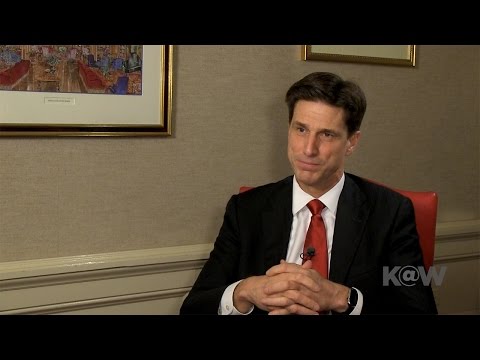
Joseph Pfeifer (Former FDNY Chief) on Leadership Through 9/11 & Emergency Preparedness

September 07, 2011 / 27:03

This episode features Joseph Feifer, Chief of Counterterrorism and Emergency Preparedness for the New York Fire Department. He discusses his career, leadership lessons from 9/11, and the importance of collaboration during emergencies.

Feifer shares formative experiences from his early years in the fire department, emphasizing the balance between knowledge and practical experience. He recounts a significant moment after 9/11 when a firefighter expressed trust in his leadership, highlighting the responsibility of keeping others safe.

The episode also covers the development of checklists for various emergency scenarios, including the MayDay protocol. Feifer explains how these tools help manage stress and ensure effective communication during critical incidents.

Feifer recalls his experiences on 9/11, detailing the moments leading up to and following the attacks. He describes the chaos at the World Trade Center and the efforts to rescue trapped individuals, emphasizing the importance of teamwork and quick decision-making.

Finally, Feifer reflects on lessons learned from 9/11, stressing the need for information sharing and collaboration among emergency responders to effectively manage catastrophic events.

TL;DR

Joseph Feifer discusses leadership lessons from 9/11 and the importance of collaboration in emergency response.

Episode

27:03
00:00:01
[Music]
00:00:08
[Music]
00:00:20
this is Mike us and today we have Joseph
00:00:23
feifer from the New York fire department
00:00:26
he is the chief of counterterrorism and
00:00:29
emergency preparedness for the City of
00:00:31
New York and he's a city Citywide
00:00:33
command chief for the City of New York
00:00:35
responsible for commanding major
00:00:37
incidents uh in the city Joe great to
00:00:40
have you here and I'm going to begin Joe
00:00:43
by asking you about basically your
00:00:45
career with the the department you
00:00:47
joined in
00:00:48
1981 and during especially your early
00:00:51
years what have been some of the most
00:00:53
informative experiences that helped you
00:00:55
learn how to lead people into uh
00:00:59
sometimes in the Harm's Way many days
00:01:01
are routine but some days are not in the
00:01:04
life of a firefighter so your your
00:01:06
formative moments if you would well when
00:01:08
I first came into the fire department as
00:01:10
a probationary firefighter I was told
00:01:14
the most important thing is to know the
00:01:15
job know what you need to do so I
00:01:18
started reading reading a lot of the
00:01:20
fire manuals and procedures um but
00:01:23
that's only half of it the other is
00:01:25
actually experiencing um firefighting
00:01:28
there a tcid knowledge of of of how to
00:01:30
force a door how to climb an aerial
00:01:33
ladder 100t in the air um but to be a
00:01:36
good firefighter to be good at anything
00:01:39
is is really having the competency and
00:01:41
and knowing uh what to do um as I became
00:01:45
an officer it was it was more than just
00:01:48
knowing what to do is being responsible
00:01:50
for
00:01:51
firefighters and that point was made
00:01:55
um actually after 9/11 I was uh in
00:01:59
command of a third alarm fire up in the
00:02:01
Bronx so we have about 100 firefighters
00:02:03
at the scene uh about three dozen pieces
00:02:05
of apparatus and the fire goes out and
00:02:08
I'm leaving and I have this firefighter
00:02:10
running down the block after me and says
00:02:12
chief chief chief and I stop and he
00:02:15
turns and I turn around and he says
00:02:18
Chief I just want to let you know that
00:02:20
I'll follow you down any
00:02:22
hallway now for firefighting for
00:02:25
firefighting the most dangerous part is
00:02:27
is a hallway becomes like a uh like a
00:02:30
chimney and all the smoke and and heat
00:02:33
fills into the
00:02:34
hallway and I thought wow this is this
00:02:36
is a very nice compliment and then when
00:02:38
I got back to my car I realized he was
00:02:41
saying just more than I'll follow you he
00:02:44
was saying that I'll follow I'll be with
00:02:47
you I'll follow you and I want you to
00:02:50
keep us safe see leadership is about um
00:02:54
not giving orders but it's about sharing
00:02:56
the sharing the danger and that
00:02:59
firefighter was saying that that that
00:03:01
that because of what I've done in the
00:03:03
past that he'll follow he'll be with me
00:03:06
uh during the next uh major event uh an
00:03:10
awesome responsibility I could actually
00:03:12
feel that pressure of of the
00:03:15
responsibility for others and uh and um
00:03:19
he meant what he said a formative moment
00:03:22
very much so Joe let me ask about a set
00:03:25
of documents that I know you help
00:03:27
prepare a set of checklists of the New
00:03:30
York fire department reference
00:03:32
particular incidents if you will so you
00:03:35
have a checklist if there's a
00:03:37
radioactivity release you have a
00:03:40
checklist in case of a building collapse
00:03:42
you have a checklist that has the title
00:03:45
the MayDay checklist talk if you would
00:03:48
about why you develop these checklists
00:03:50
and then how they're used in practice by
00:03:52
members of the New York fire
00:03:54
department we use a checklist as
00:03:57
shortcuts um and and for a radiological
00:04:01
incident there's a we don't do that a
00:04:03
lot of times so we need a a list to
00:04:05
follow what procedures but as a shortcut
00:04:09
is it's it's how do we deal with the
00:04:11
stress of a situation so during a fire
00:04:15
as the fire becomes more and more
00:04:16
complex and and uh and we have to make
00:04:19
decisions the stress level
00:04:21
increases one of the most um difficult
00:04:25
times as as a commanding Chief would be
00:04:28
a mayday Mayday is a message from the
00:04:31
firefighter that the firefighter is in
00:04:33
trouble that the firefighter is um
00:04:36
trapped doesn't know his or her way out
00:04:39
of the building that something's
00:04:41
seriously wrong a life and death
00:04:43
situation immediately the stress level
00:04:45
goes up and and you have to deal with
00:04:48
that and at the same time fight the fire
00:04:51
so we use a a checklist and and an
00:04:54
acronym um the word we use is lunar what
00:04:57
what we want to know is the me M's
00:05:00
location his or her unit the
00:05:03
assignment um and what resources do we
00:05:06
have available um in the person's name
00:05:10
um that is critical critical information
00:05:15
so we can make sure that firefighter
00:05:17
gets out of the building alive
00:05:21
um it it helps to to to uh know what to
00:05:25
do right away and it and it's very
00:05:28
focused another thing we're we're
00:05:31
dealing with now is how do we use
00:05:33
technology as a checklist and instead of
00:05:37
of writing words where there's a
00:05:39
checkbox we look at at visual
00:05:42
cues so for example we're developing
00:05:45
electronic command board or or what I
00:05:47
like to call a command pad very similar
00:05:50
to the iPad we're able to see where our
00:05:52
units are deployed uh they're within a a
00:05:55
a building uh um structure and one one
00:05:59
of the important things for for safety
00:06:01
is to do searches of of every floor that
00:06:04
there's there's fire and even floors
00:06:06
that there's not fire um we're required
00:06:09
to do that within 15 minutes so as a
00:06:12
checklist we use visual cues if the
00:06:15
search isn't is not completed the
00:06:18
primary search is not completed within
00:06:20
15 minutes on that command pad they
00:06:24
it'll the floor will turn red and
00:06:27
instantly that's a cue to The Incident
00:06:28
Commander to check on the status of the
00:06:31
Searchers if we do a primary search it
00:06:34
turns yellow and if we do another search
00:06:37
afterward a secondary it turns green so
00:06:40
we use the intuitive knowledge of a
00:06:41
stoplight red yellow green to give the
00:06:44
instent commander the same cues or a
00:06:47
checklist but now we're doing it in in a
00:06:49
visual
00:06:51
format you know looking at the mday
00:06:53
checklist there looked to me my outside
00:06:55
eye that you've got a good number of
00:06:58
items they all look pretty Mission
00:06:59
critical and you probably want your
00:07:01
officers to get through all of those and
00:07:04
one in particular that caught my
00:07:06
attention having gone actually through
00:07:07
your training program with seven of my
00:07:09
colleagues a few months ago on the
00:07:12
MayDay command we learned I think it's
00:07:14
part of the checklist protocol that when
00:07:17
you say Mayday if you're a trap
00:07:20
firefighter uh you have to repeat that
00:07:23
three times so tell us why is that
00:07:26
important it's important because we're
00:07:28
dealing with Wireless Communications
00:07:30
we're dealing with radios um and what we
00:07:33
wanted we want to make sure that message
00:07:35
comes across so for firefighters in
00:07:38
trouble the firefighter will go mayday
00:07:40
mayday mayday and then give a message it
00:07:43
it it um makes sure the message gets
00:07:45
through and it's also tells the other
00:07:48
firefighters to stop talking on the
00:07:50
radio and listen um so in just three
00:07:54
words there's a lot of communication
00:07:56
being done speaking of Mayday uh as fate
00:07:59
would have it on the morning of
00:08:01
911 you were down near the World Trade
00:08:04
Center checking on a a gas leak it was a
00:08:08
pretty routine
00:08:09
day uh you did look up uh a few minutes
00:08:13
before 9:00 8:46 a.m. to be very precise
00:08:17
and you saw the first flight hit the uh
00:08:19
the North Tower uh you were the ranking
00:08:22
Commander that close to the World Trade
00:08:24
Center you played a very important role
00:08:27
uh in bringing firefighters and
00:08:29
emergency service people in there and
00:08:32
then you were The Incident Commander in
00:08:33
the North Tower just take us from that
00:08:36
8:30 or so moment the morning to 911
00:08:39
just talk us through the next couple
00:08:42
hours if you
00:08:44
would on the morning of 911 we were at a
00:08:47
a gas leak in the street and it was
00:08:50
pretty much a routine emergency for us
00:08:53
and then at 8:46 in the morning we heard
00:08:57
this loud roar of a plane
00:09:00
and you never hear um a plane going
00:09:02
overhead in Manhattan because of the
00:09:03
height of the
00:09:04
building and um we saw the plane
00:09:08
actually aim and crash into the North
00:09:11
Tower and at that moment we knew we were
00:09:14
going to the biggest fires of Our Lives
00:09:18
um I got on the radio and I gave a
00:09:20
message um to transmit a second alarm
00:09:22
for a plane into the building and I told
00:09:25
the people that I was with the
00:09:26
firefighters to respond in with me
00:09:29
about a minute later um I had it I had
00:09:33
just a little bit time to think and I
00:09:35
gave another message and very clear I
00:09:38
asked them to transmit a third alarm
00:09:39
more resources coming and then I said to
00:09:42
the dispatcher that the plane was aiming
00:09:45
for the
00:09:46
building um I knew at that moment that
00:09:49
this was not an accident that this was a
00:09:52
terrorist event and then I I uh
00:09:55
proceeded to give further orders where I
00:09:57
wanted firefighters to stay and where I
00:09:59
wanted them to to go
00:10:01
in and I can
00:10:03
remember stepping into the World Trade
00:10:06
Center um into the lobby um it looked
00:10:09
like the plane actually hit the lobby um
00:10:12
there was debris all over the place
00:10:13
Glass Broken people injured some people
00:10:16
were burnt um and I went up to the fire
00:10:20
safety director and I was told that the
00:10:22
fire was somewhere above the SE the 78th
00:10:25
floor so as firefighters came in
00:10:29
uh they came in and I um I gave an order
00:10:34
and the order was to go
00:10:36
up to evacuate the people from the
00:10:39
building and to rescue those that
00:10:41
couldn't get out by
00:10:43
themselves and I told them to go up to
00:10:45
the 70 70th floor I figured at the time
00:10:49
eight floors was a good measure of
00:10:51
safety we would regroup and then try to
00:10:53
get people out that were above the
00:10:57
fire and then
00:11:00
um as we were doing that a little bit
00:11:03
before 9:00 we gave the order to
00:11:06
evacuate the South
00:11:09
Tower but a few minutes later at 9:03
00:11:11
that morning we heard another loud roar
00:11:14
and this was um the second plane
00:11:16
crashing into the South
00:11:18
Tower at that point we um we uh divided
00:11:23
our Command there was one command in the
00:11:25
North Tower one in the South Tower and
00:11:29
and our chief of Department was across
00:11:30
the street over over all um the person
00:11:33
in
00:11:34
charge um firefighters came in and they
00:11:38
started to climb and they started to
00:11:40
encourage people to to come down don't
00:11:43
stop keep goinging down keep keep moving
00:11:46
down um get out of the
00:11:49
building and then at at 9:59 that
00:11:54
morning we heard we heard the crashing
00:11:57
sound
00:11:59
um and we moved oh about about 20 M from
00:12:04
where we were
00:12:05
standing um in the lobby to a passageway
00:12:09
uh that that led across West
00:12:12
Street and
00:12:14
um that the the lobby that was um was
00:12:19
covered with dust and with uh and went
00:12:22
completely
00:12:25
black um now for firefighters being in
00:12:29
darkness is not a big deal we operate in
00:12:31
that all the time um but at that moment
00:12:36
some of the other chiefs were saying we
00:12:38
had to get out of the building something
00:12:41
very important to do we had to we had to
00:12:43
move out we couldn't command in the
00:12:45
lobby we had to
00:12:47
leave but I knew how to get out of the
00:12:49
building see this was my building um I
00:12:51
was there hundreds of times so that
00:12:54
brought me some time to
00:12:56
think and that few seconds to think I
00:12:59
knew that if we couldn't
00:13:01
command that we need to get the
00:13:03
firefighters also out so I picked up my
00:13:06
handy talkie radio um and I said command
00:13:10
to all units in Tower one evacuate the
00:13:14
building and the firefighters started to
00:13:17
come
00:13:18
down but being many floors above it took
00:13:22
a long time to come down what we didn't
00:13:25
realize at the time was that we were
00:13:28
running out of
00:13:31
time um and as firefighters came
00:13:35
down um they didn't think of just
00:13:40
themselves one Lieutenant I could
00:13:42
remember
00:13:43
stopping and around the the ninth floor
00:13:47
and directed other firefighters to
00:13:49
another stairs because the stair they
00:13:52
were coming down would have led to the
00:13:53
uh the courtyard where the debris
00:13:56
was um another unit lad 6 stopped and
00:14:02
and noticed a woman that couldn't um
00:14:06
couldn't continue any
00:14:07
longer so they picked her up and started
00:14:10
the carrier
00:14:12
down we made our way out into the
00:14:16
street and standing in front of the the
00:14:19
World Trade
00:14:20
Center um we couldn't tell what happened
00:14:23
it was covered with dust and
00:14:25
debris um and we were never told that an
00:14:29
entire 110 story building just collapsed
00:14:33
to the
00:14:34
ground and then at at uh 10:28 that
00:14:39
morning we heard the uh the crashing and
00:14:42
the Roar of the North Tower
00:14:46
collapsing and we be began to run but
00:14:49
with bunker gear you can't run that fast
00:14:51
or that
00:14:52
far um so we crouched down behind a
00:14:57
behind a truck
00:14:59
and and this beautiful summer morning
00:15:03
that was full of of
00:15:05
sunshine to turned completely black
00:15:09
where you couldn't see the hand in front
00:15:10
of your
00:15:11
face and you could hear the the steel
00:15:13
crashing all around us and we were just
00:15:16
waiting for really um to be crushed
00:15:20
because we knew we were too close to the
00:15:22
Trade
00:15:24
Center and
00:15:26
then the steel stopped
00:15:30
and it
00:15:32
became silent there was no more talk on
00:15:35
the radio there was just this Eerie
00:15:37
sound of total silence it was like a new
00:15:42
snowfall you just heard nothing it was
00:15:44
just this muffled
00:15:46
sound when we got up and we walked back
00:15:50
to the Trade Center or where the Trade
00:15:52
Center
00:15:53
was we
00:15:55
saw this
00:15:57
Rubble uh um and couldn't believe that
00:16:01
the buildings The Two Towers just
00:16:03
crashed to the
00:16:05
ground I heard um on my radio I heard a
00:16:10
call from L 6 L 6 to command were
00:16:13
trapped in the be stairs on the fourth
00:16:16
floor while I looked out on the pile and
00:16:18
I knew the building well and I had no
00:16:21
idea where the captain
00:16:23
was see that was the captain carrying
00:16:25
the woman down and by slowing that
00:16:29
descent they were able to to survive in
00:16:32
a little
00:16:33
pocket um that Captain got his unit out
00:16:37
and and the woman out alive miraculous
00:16:42
story um but other stories that
00:16:45
Lieutenant from engine 33 and and 343
00:16:50
firefighters that day died um in total
00:16:54
we lost uh
00:16:55
2750 people in New York
00:16:59
but amongst the rebel and amongst the
00:17:02
the uh the uh the
00:17:05
pain we we saw glimmers of
00:17:09
Hope um see terrorism tries to take away
00:17:13
um people's hope but we what we saw that
00:17:16
day is people helping each other what we
00:17:19
saw in the days and the months that
00:17:21
follow was the silhouette of a
00:17:23
firefighter on on the pile at Ground
00:17:26
Zero searching for to to to make rescues
00:17:31
initially and then to recover those that
00:17:33
are that were
00:17:35
lost um it's it's important that we uh
00:17:40
we don't Focus just on the on the
00:17:42
sadness of the of that day because we
00:17:46
did save 20,000
00:17:48
people and 911 is is something different
00:17:52
it's not just an event for New York City
00:17:55
or just an event for the United States
00:17:58
is it an International Event because no
00:18:01
matter where you were in the world you
00:18:04
experienced it through the through the
00:18:05
media a type of global
00:18:07
trauma but 9/11 10 years
00:18:11
after it gives the International
00:18:14
Community a voice that small roadside
00:18:19
bombing that that uh um um Hotel
00:18:23
bombing um it gives people a voice
00:18:27
against terrorism it's a United voice a
00:18:31
world voice that terrorism is wrong so
00:18:34
as we look at at at the anniversaries um
00:18:38
the 10th and other
00:18:39
anniversaries is really an international
00:18:42
event that gives all victims a terrorism
00:18:45
of voice and Joe I know in the 10 years
00:18:48
since 911 you have spent a lot of time
00:18:51
thinking about that event its
00:18:53
implications for leadership for getting
00:18:56
through a crisis of that kind you work
00:18:57
with 911 Commission you've written about
00:19:00
what happened and some of the Lessons
00:19:03
Learned talk if you would about a a
00:19:05
couple of the
00:19:06
leading call them lessons that you have
00:19:09
now worked with uh since the the events
00:19:12
of that terrible
00:19:14
day I think the 911 Commission captured
00:19:17
it well um by saying that there was a
00:19:20
lack of information sharing certainly
00:19:23
there was a lack of information sharing
00:19:25
before the the events of 9/11 with the
00:19:28
the the intelligence Community but there
00:19:31
was also a lack of information sharing
00:19:34
among emergency responders police and
00:19:36
and fire department so I I think one of
00:19:39
the the important Lessons Learned is
00:19:42
that during a catastrophic event during
00:19:44
a
00:19:46
disaster uh we need to share
00:19:49
information and there's a sense of of uh
00:19:53
interdependency we we need to work
00:19:55
together uh one of the things that
00:19:59
um that that that I wrote about is that
00:20:02
during any major event they'll always be
00:20:07
organizational bias so as the stress of
00:20:10
an incident increases groups turn into
00:20:12
their own firefighters go to
00:20:14
Firefighters police go to police
00:20:16
emergency medical form their own
00:20:19
groups but during a disaster we need
00:20:21
just the opposite we need for those
00:20:23
groups to collabor collaborate um so as
00:20:27
as we look at other major disasters
00:20:29
around the world a an earthquake a
00:20:32
tsunami another terrorist event it is
00:20:36
really um groups coming together and and
00:20:40
communicating and and working with it
00:20:42
with with each other to deal with the
00:20:45
the disaster at hand and I know you've
00:20:47
spent a lot of time building that
00:20:49
integration and ability to communicate
00:20:51
since then as you've taken on additional
00:20:54
duties now as chief of counterterrorism
00:20:56
for the City of New York
00:20:59
what keeps you up at night these days 10
00:21:01
years after
00:21:03
911 with my uh my job there's a lot of
00:21:06
things that keep me up at night but one
00:21:09
of the things that I do worry about the
00:21:10
most um is the type of an attack that we
00:21:15
saw occur a few years ago in Mumbai well
00:21:19
matter of fact this refer to a Mumbai
00:21:21
style attack where there's multiple um
00:21:25
active Shooters uh in different
00:21:28
locations using um improvised explosive
00:21:32
devices and using fire is those three
00:21:36
weapons of of of of guns explosives and
00:21:40
fire is the thing that keeps me up at
00:21:42
night um because in
00:21:44
combination they are the most deadly um
00:21:48
the World Trade Center was brought down
00:21:50
not by the planes it was brought down by
00:21:53
fire and we see that terrorists are
00:21:55
starting to learn from their own
00:21:58
activity and um and it points to to that
00:22:03
we also must learn so if for us to
00:22:06
battle a a um a an event that uses
00:22:11
multiple means of of weapons multiple
00:22:14
means of attack we need to to work with
00:22:17
each other and and to deal with a an
00:22:20
event like that um but certainly it's
00:22:23
something that worries Us in New York
00:22:25
I'm in contact with uh London and it
00:22:28
worries them um but I think by sharing
00:22:32
information um within the city of New
00:22:34
York and with other cities um we'll be
00:22:36
better prepared to deal with that type
00:22:38
of event if it would occur Joe a final
00:22:41
question here you've been with the New
00:22:43
York fire department for 30 years you
00:22:45
were at Ground Zero and 911 for the last
00:22:48
decade you've thought a lot about how to
00:22:52
build out of that to prepare for
00:22:53
whatever may happen in the
00:22:55
future catastrophic events we all worry
00:22:58
about they've been sort of brought more
00:23:00
to home as we watch what happened to BP
00:23:02
in the Gulf the Fukushima power plants
00:23:05
in Japan the disaster in Haiti with that
00:23:08
earthquake on the basis of your
00:23:10
experience with the New York Fire
00:23:11
Department 911 and the decade since then
00:23:15
what advice would you have for people
00:23:17
who are responsible in the private
00:23:19
sector public sector maybe a nonprofit
00:23:22
organization for thinking about how to
00:23:24
get through a catastrophic
00:23:26
event I think when we look at those
00:23:28
events we want to we want to think of
00:23:31
just how to manage it or um the military
00:23:35
refers to command and control we want
00:23:37
one person to to run the whole thing and
00:23:40
I I think what we've learned since 911
00:23:43
and and looking at those major events
00:23:46
that is not the leadership um that
00:23:49
that's not what leaders do leadership
00:23:51
during a catastrophic event does more
00:23:54
than just manage the event they they did
00:23:58
they do three other things they connect
00:24:01
collaborate and
00:24:03
coordinate connect when an event occurs
00:24:07
the first thing that needs to be done is
00:24:09
to hastily form networks at the scene of
00:24:11
the incident among um firefighters
00:24:15
Rescuers law enforcement medical
00:24:18
personnel and and for them to start to
00:24:21
communicate and work together away from
00:24:24
the incident we have to connect to those
00:24:26
Emergency Operations centers that we've
00:24:28
created and have information passed from
00:24:31
for example New York City to the state
00:24:34
to the National Operation Center down in
00:24:36
Washington
00:24:38
DC once we we form these
00:24:40
networks the incident commanders the
00:24:43
people that are responsible for for
00:24:45
dealing with the event need to get
00:24:48
together and collaborate so there's this
00:24:50
flattening of command not just one
00:24:52
person but now we have the major
00:24:54
decision makers getting together and
00:24:56
figuring out what to do and what they do
00:24:59
is is
00:25:01
coordinate the resource that that that
00:25:03
that we need to get a job done we take
00:25:05
that resource but I think what we're
00:25:08
seeing now is that it's not just one
00:25:10
resource it's multiple resources so for
00:25:13
example during the Hurricane Katrina in
00:25:17
New Orleans we had the Coast Guard spot
00:25:20
fires the Fire Department New Orleans
00:25:23
fire department with the assistance of
00:25:24
the New York City Fire Department went
00:25:26
out and extinguish the fires but they
00:25:29
also went out with law enforcement for
00:25:31
protection so it was that
00:25:34
combination coordination of of resources
00:25:37
so when when we look at at leadership
00:25:40
whether it's in the in a uh emergency
00:25:43
response or in business or in uh in in
00:25:47
nonprofits when there's a disaster it's
00:25:50
the combination of what we call uh C5
00:25:54
command and control connect collaborate
00:25:58
and
00:25:59
coordinate Joe thank you very much let
00:26:01
me on that note bring it to a close uh
00:26:04
let me thank you for 30 years a service
00:26:06
to the city of New York let me thank you
00:26:09
for uh putting uh your leadership and
00:26:12
your life on the line on that very
00:26:14
fateful morning on 911 and thank you for
00:26:17
your insights that have come with a
00:26:19
decade of thinking now and reflecting on
00:26:21
911 and all the threats that we face so
00:26:24
that the rest of us can be more prepared
00:26:26
to face those I ities that maybe are out
00:26:29
there one day and we need to be ready to
00:26:31
do what we have to do if heaven forbid
00:26:34
we do face another disaster so Joe
00:26:36
feifer thank you very much thank you
00:26:42
[Music]
00:26:56
Mike

Badges

This episode stands out for the following:

  • 90
    Most heartbreaking
  • 90
    Biggest cultural impact
  • 85
    Most shocking
  • 85
    Best overall

Episode Highlights

  • A Day of Terror
    On 9/11, Joe witnessed the first plane crash into the North Tower, marking the start of a catastrophic event.
    “We knew we were going to the biggest fires of our lives.”
    @ 09m 18s
    September 07, 2011
  • Hope Amidst Tragedy
    Despite the loss of 2,750 lives, Joe highlights the acts of heroism and hope that emerged.
    “We did save 20,000 people.”
    @ 17m 48s
    September 07, 2011
  • Lessons from 9/11
    Joe discusses the importance of information sharing among emergency responders during disasters.
    “We need to share information and collaborate during a disaster.”
    @ 19m 42s
    September 07, 2011
  • Leadership in Crisis
    Effective leadership combines command and collaboration during emergencies.
    “It's the combination of command and control, connect, collaborate, and coordinate.”
    @ 25m 54s
    September 07, 2011
  • A Tribute to Service
    Gratitude for 30 years of service and leadership in New York City.
    “Thank you for your insights that have come with a decade of thinking now.”
    @ 26m 19s
    September 07, 2011

Episode Quotes

  • Leadership is about sharing the danger.
    Joseph Pfeifer (Former FDNY Chief) on Leadership Through 9/11 & Emergency Preparedness
  • We saw glimmers of hope.
    Joseph Pfeifer (Former FDNY Chief) on Leadership Through 9/11 & Emergency Preparedness
  • 9/11 is an international event.
    Joseph Pfeifer (Former FDNY Chief) on Leadership Through 9/11 & Emergency Preparedness
  • Thank you for putting your life on the line on that very fateful morning.
    Joseph Pfeifer (Former FDNY Chief) on Leadership Through 9/11 & Emergency Preparedness

Key Moments

  • Introduction00:20
  • Career Beginnings00:47
  • 9/11 Experience08:04
  • Hope and Resilience17:09
  • Leadership Lessons19:05
  • Emergency Coordination24:54
  • Tribute to Leadership26:12
  • Preparedness for Disasters26:26

Words per Minute Over Time

Vibes Breakdown

Related Episodes

What I've Learned: Wharton Professor Mike Useem Discusses Leadership with Dean Erika James
January 22, 2024
Captions not detected. You can watch the video, but not search it. If you think this is an error, contact support.
23:01
What I've Learned: Wharton Professor Mike Useem Discusses Leadership with Dean Erika James
Leadership Beyond the Bottom Line
December 24, 2013
Captions not detected. You can watch the video, but not search it. If you think this is an error, contact support.
22:55
Leadership Beyond the Bottom Line
Love Culture: What It Takes To Create A Happy Workplace
April 10, 2017
Captions not detected. You can watch the video, but not search it. If you think this is an error, contact support.
16:07
Love Culture: What It Takes To Create A Happy Workplace
Eight Dollars and a Dream: My American Journey
July 26, 2017
Captions not detected. You can watch the video, but not search it. If you think this is an error, contact support.
24:25
Eight Dollars and a Dream: My American Journey
The Prepared Leader: Crisis Management w/ Erika James and Lynn Wooten – Wharton School Press Q&A
October 03, 2022
Captions not detected. You can watch the video, but not search it. If you think this is an error, contact support.
44:32
The Prepared Leader: Crisis Management w/ Erika James and Lynn Wooten – Wharton School Press Q&A
John Mack on Saving Morgan Stanley, Inside the Bunker
October 14, 2009
Captions not detected. You can watch the video, but not search it. If you think this is an error, contact support.
26:22
John Mack on Saving Morgan Stanley, Inside the Bunker
A View From Above: Mark Ronald, Business Consulting LLC
May 12, 2011
Captions not detected. You can watch the video, but not search it. If you think this is an error, contact support.
12:14
A View From Above: Mark Ronald, Business Consulting LLC
Knowledge@Wharton Interview with Sherry Bahrambeygui
June 01, 2020
Captions not detected. You can watch the video, but not search it. If you think this is an error, contact support.
29:36
Knowledge@Wharton Interview with Sherry Bahrambeygui
2008 Financial Crisis: Former Citi CEO Vikram Pandit on the Difficult Recovery Ahead
October 01, 2008
Captions not detected. You can watch the video, but not search it. If you think this is an error, contact support.
38:32
2008 Financial Crisis: Former Citi CEO Vikram Pandit on the Difficult Recovery Ahead
Jennifer Tejada CEO of PagerDuty on Leadership, AI, and Digital Transformation
March 21, 2025
Captions not detected. You can watch the video, but not search it. If you think this is an error, contact support.
34:00
Jennifer Tejada CEO of PagerDuty on Leadership, AI, and Digital Transformation
Leadership: Edward D. Breen, Tyco International
February 13, 2013
Captions not detected. You can watch the video, but not search it. If you think this is an error, contact support.
21:12
Leadership: Edward D. Breen, Tyco International
How Leadership Transformed Strawberry Mansion High School
May 12, 2016
Captions not detected. You can watch the video, but not search it. If you think this is an error, contact support.
23:23
How Leadership Transformed Strawberry Mansion High School