| Grit in the Boardroom
Episode Description
Recorded in New Zealand at the IoD Leadership Conference in Wellington, this episode is another in Grit in the Boardroom's New Zealand series, part of the show's international run of executive interviews with the country's most respected business leaders.
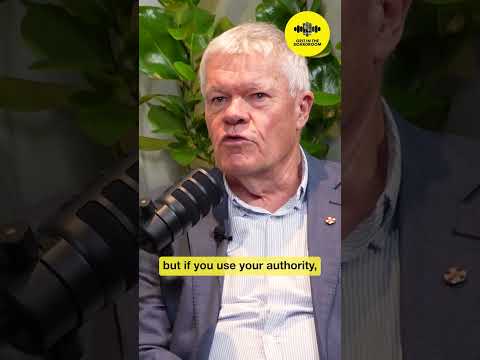
In this director dialogue, Erika Eliasson-Norris sits down with Tony Carter: Chair of Datacom and MyFoodBag, a director of The Warehouse Group, and former CEO of Foodstuffs New Zealand, who has also chaired Air New Zealand and Fisher and Paykel Healthcare. Tony's career offers rare C-suite insights and genuine chair perspectives on boardroom decisions, leadership decisions, and corporate governance, shaped by decades moving between the executive table and the board table across retail, aviation, healthcare, and technology.
Together they explore authority versus influence, and why the worst words a leader can hear in the boardroom are "you're wrong." Tony shares governance lessons on spotting integrity red flags early, why the closeness between a CEO and a chair can quietly turn a board into passengers, and why moving beyond box-ticking risk management toward genuine "show me, don't tell me" scrutiny is critical to strategic decision-making and high-stakes strategy. Drawing on his years running Foodstuffs' franchise network and management case studies spanning private equity ownership and competing shareholder interests, he talks candidly about company culture, cultural fit in board appointments, and how leaders should think about company culture change as AI reshapes entire industries, while insisting "behaviour shouldn't change, value shouldn't change." He also reflects on business resilience and growth under pressure, from Air New Zealand's tailwind years before the airline was hit by pandemic lockdowns just months after he left, to Fisher and Paykel Healthcare's decades-long R&D discipline, and what separates real board effectiveness from a rubber stamp.
It's an episode full of hard-won governance lessons from one of New Zealand's most experienced chairs.
What you'll find in this episode:
· Why integrity red flags are the one thing Tony says he now weighs above all else in a leader
· How influence beats authority every time in the boardroom
· Why a CEO and chair who are too close can turn a board into passengers
· What the Australian banking Royal Commission's "show me, don't tell me" principle means for board scrutiny
· Why complacency is hardest to spot in the good years, not the bad ones
· How cultural fit — not just skills — decides whether a new director actually works
· Why Tony believes behaviour and values shouldn't change, even as AI forces everything else to
About the guest Tony Carter is one of New Zealand's most experienced company directors. He is Chair of Datacom and My Food Bag and a Director of The Warehouse Group. A retailer by background, he was CEO of Foodstuffs New Zealand before building a governance career that includes chairing Air New Zealand and Fisher & Paykel Healthcare, now New Zealand's most valuable company. Tony is known for his emphasis on transparency, listening and constructive challenge, and for a governance style built on supporting management rather than second-guessing it.
About Grit in the Boardroom Grit in the Boardroom is a bi-weekly podcast where Erika Eliasson-Norris sits down with the best in business for executive interviews. She and her guests explore corporate governance beyond the sealed doors of the C-suite.
About Erika Eliasson-Norris As Governance Assessor for the Post Office Horizon IT Inquiry, the largest public inquiry in UK history, Erika Eliasson-Norris is helping shape accountability, governance reform, and corporate oversight across the UK.
Brief Summary
Tony Carter discusses leadership, influence, integrity, and boardroom dynamics based on his extensive experience in New Zealand business.
Key points
- The Importance of Integrity. Integrity is crucial in leadership; signs of its absence are major red flags.
- Learning from Experience. Bad experiences often teach more valuable lessons than good ones.
- The Importance of Cultural Fit. Assessing cultural fit is crucial for organizational success. External reviews can provide valuable insights.
- Navigating Change in Leadership. Leaders must discern what aspects of their organization should remain unchanged amidst rapid technological advancements.
- Building Trust in Diverse Interests. Trust can be built by recognizing different perspectives and finding common ground in conflicts.
Ask about Grit in the Boardroom
Episode highlights
- Learning from ExperienceBad experiences often teach more valuable lessons than good ones.“You learn a lot more from bad experiences than you do from good ones.”15:56Oct 6, 2026
- The Importance of Cultural FitAssessing cultural fit is crucial for organizational success. External reviews can provide valuable insights.“Cultural fit is really important.”20:46Oct 6, 2026
- Navigating Change in LeadershipLeaders must discern what aspects of their organization should remain unchanged amidst rapid technological advancements.“Behavior shouldn't change and value shouldn't change.”21:52Oct 6, 2026
- Building Trust in Diverse InterestsTrust can be built by recognizing different perspectives and finding common ground in conflicts.“It's the ability to listen to what they're saying.”23:05Oct 6, 2026