

00:00:00
I look at that patient walking into my
00:00:02
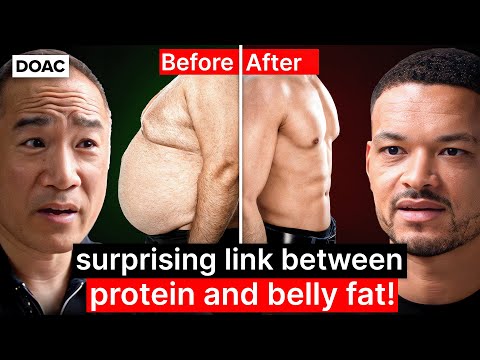
room and if I see that he's got a belly
00:00:04
sticking out, I already know he's
00:00:07
probably got insulin resistance because
00:00:10
all the fat is in here. Because the fat
00:00:13
that's in the stomach sideways, he looks
00:00:16
terrible. From the back, he looks great.
00:00:18
His waist is increased.
00:00:21
He doesn't have all the fat everywhere
00:00:23
else in his body. That's the phenotype
00:00:25
of somebody who has hyperinsulinemia.
00:00:28
That same person goes on a cruise, he'll
00:00:31
come back 5 to 10 pounds more because
00:00:33
he's got so much insulin in his body.
00:00:35
Insulin is a storage molecule. Puts
00:00:37
everything away. And it's very hard for
00:00:40
him to lose weight.
00:00:41
Why is it harder?
00:00:42
The only thing that will make you lose
00:00:44
that fat very quickly is to change your
00:00:46
diet, of course, but you have to do
00:00:47
fasting because fasting brings your
00:00:50
insulin level. See, this is where
00:00:51
fasting comes in. So, what does fasting
00:00:53
do?
00:00:54
Do you mean fasting or a calorie
00:00:55
deficit? Is it or is it the same thing
00:00:56
in your view? No, they're not the same
00:00:58
thing. They are not the same thing. You
00:01:02
see, when you don't eat, your insulin
00:01:04
levels come down because you're not
00:01:06
stimulating your pancreas anymore. So,
00:01:08
you want to bring your insulin levels
00:01:10
down. The best thing you can do in the
00:01:12
world is to do fasting.