What's Behind the Flare-ups in Oil Prices?
Episode Description
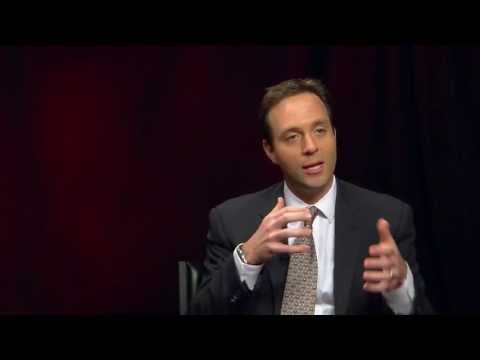
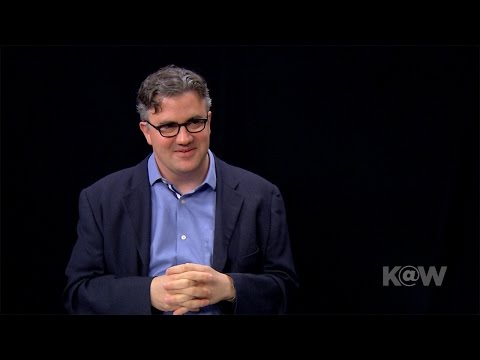
Memorial Day, which marks the beginning of the summer driving season in the U.S., saw gas prices at nearly $4 a gallon all over the country -- and even higher in states such as Florida. Globally, the picture looks more worrisome: Oil prices crossed a record $135 a barrel during the weekend of May 24-25, although by Tuesday prices had come down to $131. What's behind these regular flare-ups in oil prices? What are the major economic and geopolitical factors at work? How does expensive oil affect the U.S. and world markets, and what can we expect over the coming months? Knowledge@Wharton discussed these questions and more with finance professor Jeremy Siegel, author of The Future for Investors, and Witold Henisz, a professor of management.
Brief Summary
Experts discuss rising oil prices, economic impacts, and geopolitical risks affecting global markets.
Key points
- Oil Prices Surge to Record Highs. Oil prices jumped to a record $135 a barrel, raising concerns about future costs.
- Uncertainty in Oil Production Capacity. Experts discuss the unknowns surrounding OPEC's ability to meet oil demand.
- Impact of High Oil Prices on the Economy. Rising oil prices are affecting inflation and consumer confidence in the US economy.
- Geopolitical Risks and Oil Supply. Tensions in oil-producing regions could lead to significant price increases.
- Investor Strategies Amid Rising Oil Prices. Experts suggest strategies for investors and consumers in the face of high oil prices.
Ask about Knowledge at Wharton
Episode highlights
- Oil Prices Surge to Record HighsOil prices jumped to a record $135 a barrel, raising concerns about future costs.“Do you think they’re near the top now?”1:08May 28, 2008
- Uncertainty in Oil Production CapacityExperts discuss the unknowns surrounding OPEC's ability to meet oil demand.“We simply don’t know the answer to that.”2:07May 28, 2008
- Impact of High Oil Prices on the EconomyRising oil prices are affecting inflation and consumer confidence in the US economy.“The double whammy of home prices and rising oil prices is weighing on psychology.”10:08May 28, 2008
- Geopolitical Risks and Oil SupplyTensions in oil-producing regions could lead to significant price increases.“We’re really at risk of any break in the supply.”12:59May 28, 2008
- Investor Strategies Amid Rising Oil PricesExperts suggest strategies for investors and consumers in the face of high oil prices.“If oil continues at this rate, it’s going to be tougher for equity investors.”14:50May 28, 2008