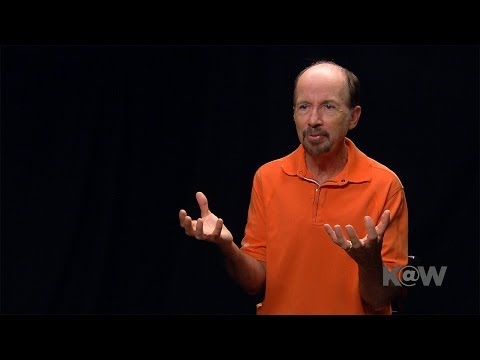
What Ostriches Can Teach Us About Risk
Episode Description
A new book by Wharton professors Howard Kunreuther and Robert Meyer offers an innovative solution for addressing the biases that prevent people and groups from adequately preparing for disasters. More: http://knlg.net/2kfOEXy 📂 Finance & Accounting;Innovation;Public Policy
Brief Summary
Wharton professors discuss disaster preparedness and psychological biases in their book, <i>The Ostrich Paradox</i>, emphasizing the need for proactive measures.
Key points
- The Ostrich Paradox Explained. The book reveals why we underprepare for disasters and how we can learn from ostriches.
- Lessons from Hurricane Sandy. A personal story illustrates the consequences of poor decision-making during disasters.
- The Role of Optimism. Exploring how optimism can hinder disaster preparedness, despite its positive connotations.
- The Challenge of Climate Change. Climate change isn't just a future problem; it's a critical issue we must address now.
- Planning for Future Generations. We must consider the impact of our actions on future generations and take steps today.
- The Danger of Complacency. It's easy to delay action on climate change when immediate consequences aren't visible.
Ask about Knowledge at Wharton
Episode highlights
- The Ostrich Paradox ExplainedThe book reveals why we underprepare for disasters and how we can learn from ostriches.“We should be more like ostriches to prepare for risk.”2:00Feb 7, 2017
- Lessons from Hurricane SandyA personal story illustrates the consequences of poor decision-making during disasters.“Glenda's decisions resulted in losing her children.”6:16Feb 7, 2017
- The Role of OptimismExploring how optimism can hinder disaster preparedness, despite its positive connotations.“Optimism is the most dangerous bias.”6:55Feb 7, 2017
- The Challenge of Climate ChangeClimate change isn't just a future problem; it's a critical issue we must address now.“Climate change is a critical problem we need to discuss now.”17:56Feb 7, 2017
- Planning for Future GenerationsWe must consider the impact of our actions on future generations and take steps today.“Future generations are at stake; we must take steps now.”18:26Feb 7, 2017
- The Danger of ComplacencyIt's easy to delay action on climate change when immediate consequences aren't visible.“It's easy to put off action because nothing seems to change.”19:38Feb 7, 2017
- Understanding RisksPeople often overlook the complexities of risks, leading to poor decision-making.“People may not appreciate all the elements of a particular problem.”23:05Feb 7, 2017
- The Influence of Group ThinkGroup think can lead to complacency and surprise outcomes in elections and decisions.“There’s a tendency to not look broadly for evidence.”24:05Feb 7, 2017
Tension
45/ 100Some tension