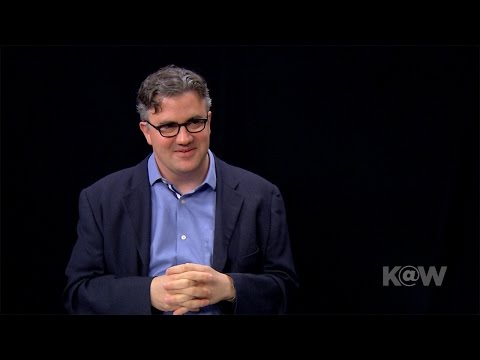
The Psychology of Paying Taxes
Episode Description
EPISODE OVERVIEW Wharton professor Alex Reese-Jones discusses the psychological factors influencing tax behavior, including loss aversion. He explains how individuals are more motivated to minimize tax losses than to maximize gains, impacting tax compliance, deductions, and avoidance. Reese-Jones also highlights the broader implications of behavioral economics in tax policy, emphasizing the role of psychology in shaping financial decision-making and government revenue collection.
PODCAST OVERVIEW Every day, business scholars answer pressing questions in their research - but what do their insights mean for you? In this podcast, Wharton faculty dive into what inspired their studies and how their findings resonate with the world today. Learn how research insights translate into knowledge you can use, with host Dan Loney.
Learn more at http://whr.tn/rippleeffect.
#taxes #taxpolicy #policy #publicpolicy ----- The Wharton School of the University of Pennsylvania is committed to sharing its intellectual capital through Knowledge at Wharton, the school’s online business analysis journal.
Launched in 1999, Knowledge at Wharton offers free access to:
- Articles, podcasts, and videos highlighting Wharton faculty research and analysis of current business trends - Interviews with book authors from Wharton School Press - In-depth series of curated content like Wharton Executive Education’s Nano Tools for Leaders - A searchable database of more than 10,000 articles covering all aspects of business - A weekly newsletter that delivers Knowledge at Wharton insights directly to your inbox
Visit the Knowledge at Wharton homepage: https://whr.tn/3qUpSBE Subscribe to the Knowledge at Wharton YouTube channel: https://whr.tn/3DEAgAU
Brief Summary
Wharton Professor Alex Rees-Jones discusses how loss aversion influences tax behavior and compliance in this episode.
Key points
- The Ripple Effect Podcast. Exploring the intersection of psychology and tax policy with Alex Rees-Jones.
- Loss Aversion in Taxes. Understanding how loss aversion influences tax behavior and compliance.
- Behavioral Public Finance. The growing field that combines psychology with tax policy for better outcomes.
Ask about Knowledge at Wharton
Episode highlights
- The Ripple Effect PodcastExploring the intersection of psychology and tax policy with Alex Rees-Jones.“Did you know there's an element of psychology in paying taxes?”0:40Mar 11, 2025
- Loss Aversion in TaxesUnderstanding how loss aversion influences tax behavior and compliance.“People care more about making the loss smaller than increasing the gain.”3:30Mar 11, 2025
- Behavioral Public FinanceThe growing field that combines psychology with tax policy for better outcomes.“We should pay attention to this stuff.”14:13Mar 11, 2025