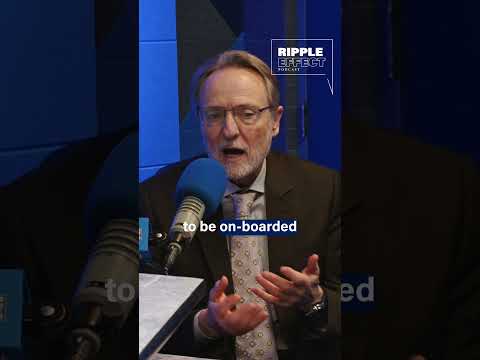
"The Future of the Office" w/ Prof. Peter Cappelli – Wharton School Press "Meet the Authors" Event
Ask about Knowledge at Wharton
Episode Description
The Wharton School Press' "Meet the Authors" series continues with guest Prof. Peter Cappelli, author of "#TheFutureoftheOffice: Work from Home, Remote Work, and the Hard Choices We All Face" and director of Wharton's Center for Human Resources.
Join host Prof. Peter Fader for a conversation about the surprising tradeoffs both employers and employees may have to accept to get what they want as organizations grapple with returning to the office.
Learn more about the series: http://whr.tn/meettheauthors
Learn more about the book and author: http://whr.tn/FutureoftheOfficeBk
#humanresources #remotework #futureofwork #workfromhome 📂 Management 🏷️ Meet the Authors
Brief Summary
Peter Cappelli discusses the future of office work and remote work challenges post-COVID in this insightful episode.
Key points
- The Future of Work. Peter Cappelli discusses the evolving landscape of remote work and its implications.
- The Great Resignation Myth. Cappelli debunks the myth of the great resignation, revealing the real turnover statistics.
- Disparate Impact in Remote Work. Cappelli warns about the potential inequalities in remote work policies.
- Onboarding Challenges. Cappelli discusses the difficulties of onboarding new employees remotely.
- Boomerang Effect of Remote Work. Cappelli explores the potential for a shift back to office work.
- The Future of Work Spaces. Exploring the evolution of workspaces and the challenges of remote work.
Episode highlights
- The Future of WorkPeter Cappelli discusses the evolving landscape of remote work and its implications.“COVID was this enormous experiment that was pushed on us.”1:54Nov 4, 2021
- The Great Resignation MythCappelli debunks the myth of the great resignation, revealing the real turnover statistics.“The average turnover in the U.S. right now is 2.9%.”6:49Nov 4, 2021
- Disparate Impact in Remote WorkCappelli warns about the potential inequalities in remote work policies.“This really looks like disparate impact if you’re a plaintiff lawyer.”12:10Nov 4, 2021
- Onboarding ChallengesCappelli discusses the difficulties of onboarding new employees remotely.“It’s got to be really difficult to come into an organization and try to find your way around.”14:57Nov 4, 2021
- Boomerang Effect of Remote WorkCappelli explores the potential for a shift back to office work.“Employees seem to appreciate having more control over their time.”18:42Nov 4, 2021
- The Future of Work SpacesExploring the evolution of workspaces and the challenges of remote work.“What’s in it for us if we change the way we work?”19:26Nov 4, 2021
- Challenges of Employee RetentionDiscussing how remote work affects social relationships and retention.“Retention is the harder thing because social relationships hold people in organizations.”22:08Nov 4, 2021
- Advice for Young EmployeesEmphasizing the importance of being present in the office for career growth.“If you’re not in the office, it’s easy to be the last one hired, first one let go.”26:16Nov 4, 2021
Transcript
[Music] this is pete fader here the francis and paiwan cha professor of marketing at the wharton school of the university of pennsylvania welcome to the fifth in an ongoing series of meet the authors conversations that i've been having with various colleagues here from the wharton school let's think uh number one we started off in january with my marketing colleague michael platt talking about the leader's brain in march we stayed with marketing then it was jonah berger talking about the catalyst in may katie milkman former operations information decisions department spoke about how to change
in june it was former colleague mauro gian now the dean at the judge school over at cambridge talking about the platform paradox but today we turn to the management department where it is my pleasure my privilege to be talking to another peter peter capelli the george w taylor professor of management uh here at wharton director of wharton center for human resources we're going to be talking about uh the future of the office work from home remote work and the hard choices we all face uh peter for years you've been studying all the different uh forces shaping and changing our workplace uh it's something
you've been really deep into for a long time but is it fair to say that nothing has impacted quite like covet yeah i think that's right you know there's a flavor of the month feel to workplace issues a lot of it is pushed by people who've got some financial interest they're selling a problem and selling a solution so we've seen a lot of you know we're running out of people now we've got too many people sort of stories but you know covet was this enormous experiment that was pushed on us you know march last year we had 60 million people out of work it's just amazing and if you had told me
we wouldn't be back in our offices for more than a year if you told me that then honestly i would have said we'll be living in caves and burning furniture for heat you know it's amazing that we survived i mean it's it's just an astonishing story and so with that in mind you you're kind of going out on a limb i mean you wrote this book back in let me think 2021 when as as you said we thought this would all be over by the time we reached november um so it's so it's pretty bold to go out there and kind of uh offer observations and statements and predictions so tell us a little bit
about your motivations for doing so what the process was like and kind of how you feel it's gone well i guess the good news is it wasn't a very long book so it didn't take all that long to write it i discovered that i was basically being asked to talk about this all the time and of course the event that was triggering this is that 40 of americans were working remotely mainly from home and 70 percent of people who could work from home because of the nature of their work were in fact working from home so we were running this big experiment and the results are going to matter for
a long time it turned out that i figured that you know we'd probably be starting back to the office but you'll recall you know the discussion that we'd be back by labor day but they meant labor day 2020 and then it was labor day 2021 and we're still not back right so the pandemic is the gift that keeps on giving for topics like this because companies the very least now have and and individuals have the opportunity to think about this uh a little more because it's not going to be a surprise right that we're going to have to decide particularly whether to bring people back or keep them home or do something
different indeed and and so what would be as as you look back at the book now you know a few months after writing it and of course it was published fairly recently um what would be i'm looking for and i told you so that you can offer as well as a uh something that that surprised you uh that you might have you know said or written differently well i think the big aha in the from the book which was just an observation is that working from home during a pandemic doesn't tell you much about what it would be like to work from home after a pandemic and you know i didn't really realize how many studies had been done
about remote work before the pandemic and so that was a that was sort of a bit of an aha i guess the thing that has surprised me in terms of developments is partly to see employers so all over the place i mean most are doing frankly what employers typically do which is perfectly sensible and that is to wait and see what everybody else does but the problem is you can't keep doing that i mean to not decide is deciding here right if you keep everybody at home you're sort of deciding i think the the one development which is the weirdest i think is this discovery that um the silicon valley companies in
particular are trying to make people pay to work from home right they're going to cut your pay if you work remotely that was a surprise and that wasn't the initial announcement right that kind of sneaked in on people a little later and that's a quirky one and that's what's kind of novel i didn't anticipate that was going to happen absolutely yeah and so there's just so much we can say i have a whole ton of questions for you but love to get some questions from the the folks uh listening in on the conversation i think so many people have different perspectives on their own experience and getting back to work and
their experience about getting others to come on back so so please enter your questions through whatever platform you're on uh but i i got a bunch more for peter over here so superior as we as we go from from the book itself they said that some of the surprises that you're just referring to you know as we're now moving forward um so like what what are you what's top of mind for you these days i think uh you know the issue that everyone is talking about now is this issue of uh what's the current state of the labor market which is kind of related to work from
home but kind of not and this is another one of these stories which turns out not to be quite true this is the great resignation story right and if you actually look at the data the average turnover in the u.s right now the last month uh which available i think it's i think is actually still august data is 2.9 of the current employees have turned over in that month over you know across the economy which they said you know the claim is it's the biggest number ever that's not true uh it is the biggest number since they collected that set of data which goes
back 20 years so it's the biggest number in 20 years but if you looked before the pandemic the number was 2.6 percent so we've gone from 2.6 to 2.9 is that a huge increase i don't think so i mean what drives quitting typically is people quit to take jobs elsewhere so another kind of myth is that the people who are quitting are going home to practice yoga there's no evidence for that i mean the typical quitter immediately moves to another job and there's every reason to think that's what's going on now the surprising thing is if you look at data and some of this
data comes from the folks that indeed who did some surveys of these folks if you look at unemployed people unemployed people say who are not looking actively say one reason is fear of covid but the biggest reason is actually that they think better jobs are coming and that's partly because of all the noise and the press about oh my god wages are going up it's people are dead scrambling for jobs etc or workers and it turns out our wages going up they're not really so if you looked at the pay increases or pay levels in september of this year they're down about a tenth of a percent from last year at this time right so wages at least real
wages i should say so relative to inflation they're not going up they're actually falling behind so that's probably not true either really surprising thing to me though is if you look at people who sort of have jobs already which account for most of the people who take new jobs they're not searching very much so a lot of people are sitting on their hands waiting maybe they're waiting for covid to tail off maybe they're waiting to see what employers are going to offer particularly on work from home which a lot of people care about because most employers are not saying yet so we might be stuck in a little
you know equilibrium here where everybody's waiting to see what everybody else is going to do and nobody's doing anything and what's your sense that really all of this is speculative and you're bringing about as much data experience inside as anyone but what's your sense until we reach either a new equilibrium or perhaps the old equilibrium in terms of of people going in and out of the drop market well i think um i think the employers are kind of losing patience with a lot of a work from home enthusiasm so if you look at survey data now on what employers or rather what executives
say versus what regular employees say regular employees are still really interested in some opportunities to work more remotely executives are less interested in that and are more interested in getting people back into the office and and getting going so you know my sense is on the labor market thing this is going to write itself i think reasonably quickly what happened the whole problem was caused by the fact that most employers waited until the last minute to try to backfill all the positions that they had emptied out because of the downturn associated with kovitt but you
could see the need coming right because you could tell when the restrictions were going to be lifted it wasn't a surprise and yet for the most part most employers waited until the restrictions were lifted so they're all trying to hire at once and they're all trying to hire the same people particularly low-wage hourly sorts of relatively unskilled folks that's the big thing and it's the reason why the vacancy level is so high people are coming back into the job market it's just they're not coming back at the pace at which all these new jobs flooded in all at once very interesting what about the
differential impact on different kinds of subgroups whether it's male versus female young versus old blue versus white collar do you see any interesting patterns there well there's some issues if you're an employer you should think about and you know the big one is disparate impact as we say in employment law so you know if you think about okay we're going to offer remote for remote work opportunities for people but you got to raise your hand and do it and the first thing that does is it creates two tiers right you got one group of people in the office hanging out with the bosses you got another one who's working remotely
one of the things we know from prior research the people working remotely don't do as well they don't get promoted as often as quickly their careers suffer it's not a big surprise right if you're closer to the power you're probably going to do better the people who are probably going to raise their hand more often to work remotely are people with caregiving responsibilities and they tend to be disproportionately women so you're going to set up this program for a group that's going to be disproportionately women they're going to have worse labor market outcomes this really looks like disparate impact
if you're a plaintiff lawyer if you're an employer you better think about you know how you're going to deal with these challenges because they're probably going to come and we're seeing uh just again as you've said now a couple of times uh companies are unwilling to or unable to kind of nail down a specific in fact i'm thinking of amazon where you know in the book you actually took a you know said amazon's taking will take a fairly strong stand but then just a couple of weeks ago andy jassy said you know each group can figure out on on its own uh is that kind of exceptional rule
uh i think i think if you're an employer there are some real risks to telling every group just do whatever you want we kind of had that before um you know there was a lot more work from home than we might want to admit a lot of it was under the table you know people had deals with their supervisors to cut out early on friday it never showed up on any records and things you know but the problem with that was this real inequality you know if i'm working for you you'll let me do it i'm doing the same job working for somebody else they won't let me do it so i think that's probably not the path
to go down one thing employers ought to really do is be clear these are our policies and procedures i think for sure employers are all over the place right the tech companies particularly silicon valley companies were saying go away you know and it's amazing for a company like google to say that which had turned being into the office into kind of a fetish right we want you here all the time and here are all these goodies that will pull you in and keep you here and now it's you know kind of go away then in new york you got the banks in new york saying forget it you're all coming back right so most companies i think are trying to
figure out frankly what everybody else is doing nobody wants to be the one that's the outlier in your industry and some of that is because you may feel in the job market you'll be out of luck people want to work remotely you say no but your competitors around you say sure and then you start bleeding people right right so it's not crazy to wait the problem is the longer everybody waits the longer it takes this job market to sort of sort itself out and get more people into new jobs are changing their existing jobs very interesting well we got questions flooding in over here let
me uh fire away here it's the first one coming from robert on linkedin how do you see the onboarding process in working from home times how will onboarding uh change yeah well if you're hiring people remotely and a lot of places are you may have this pete i do too we hired faculty i had not met you know i mean they're colleagues it's been a year i still have not met some of these folks right uh it's got to be really difficult to come into an organization and try to find your way around when you're working from home for those of us who've been in
our organizations for a long time this is easy it's a piece of cake you know everybody already you know how things work but if you're coming in for the first time you have nobody to ask what's going on if you want information you got to schedule a zoom call with people and they're irritated by that so if we're going to continue to do it and have people come in remotely we really have to do a much better job everything has to be explained to people in the onboarding process right we got to do a lot to get them to make connections through some sort of visual you know virtual contact if we're not going to bring him in i think we ought to think also about
onboarding our current employees when they come back to the office assuming we bring them back they've been away for a year and a half and this is a good opportunity to change the way things work because some of the old habits might actually be broken if you didn't like the way things work before you know this is a time to try to change them people are already shaken up a little bit and you actually touch on that in the book about what happened right here at the university of pennsylvania and so i just without putting pen on the spot how do you think those programs have gone uh it sounds like they've gone pretty
well the those programs that he's talking about were ones where parts of the university uh decided for the staff in particular to make the return something more of a welcoming event i think knowing in part that some people are nervous coming back for health reasons you know is it still infectious in our workplace trying to chill them out on that but some of them you know have been away for a while and you know they don't want to be back maybe uh and most of us i think want to reconnect with other people so can we put that front and center can we make this a good experience coming back right
and also an opportunity for people to learn some different ways of interaction while they're in this mode of boy this seems new right so that's what some of our colleagues here have been doing across parts of the university and you know it seems a really smart sensible thing to do it doesn't take much time it doesn't cost much money so why not very interesting here's a great question from elliot from linkedin is it reasonable to assume that there'll be a boomerang effect uh when a work from home goes out of vogue in in the short term think things will swing the other way well if we mean boomerang by uh there's two ways that could boomerang right one is that employees who are
working remotely will say hey you know i really want to come back to the office there might be some of that but what we know from other work from home events before this is that people get people who go remote are self-selecting to do it they kind of know what they're getting into they kind of know after this point what it's like they're not so likely to say you know i really missed as one of my colleagues who left here said i really miss the chinese food truck on 37th street you know they probably not going to happen a lot are there employers who will back up i think absolutely and i think this is one thing to worry about on the employer side how are you making this decision
right are you deciding to bring people back because you really think it's going to be better or is it simply because you don't trust that your employees will be able to continue to work productly unless you're watching them right and that would be a really bad outcome having trusted them for a year most employers report people really did pitch in and get things done and to now to tell them nah you know we don't trust you come on back i think the one thing that employees seem to appreciate the most during the work from home period is having more control themselves over their time and having more trust from
their employer and if you try to roll that back now it's probably not going to get a good reaction from more harm than good uh let's keep the questions coming sammy on linkedin as uh points out that uh that they uh recently left go of of their office in new york now renting spaces on an unneeded basis for strategy sessions and brainstorming so what do you feel about the future of work spaces uh are we already seeing some changes uh how do you see that continuing to evolve well you know this comes to the very interesting question that not a lot of employers have completely thought through and that is what's in it for us if we change the way we work
permanent remote work is pretty straightforward you know we're going to take back your office and cut our real estate footprint and we're going to save money instantly and we're going to save a lot of money if you don't do that and if you say we're going to have some sort of in-between arrangement could you cut your office space anyway that's kind of the bet the problem is we tried that that was the hoteling movement in the dot com period it started then and it didn't work i mean frankly by 2005 or so there are a bunch of stories in the media saying whatever happened to
hoteling because it had been pulled back in most places the problem with hoteling which means you don't get a permanent office when you need to come in we just get you a space you know the problem with that is most people who come back to the office do it because they want to meet their peers and colleagues and with a rental room it's not clear you're going to meet them you know you get a office any place in the complex where it might be vacant or a special temp office area we've got we also know that people like the idea of having their own space and being able for some people to decorate it or make it feel
more like them you know and so there was a lot of pushback by the employees in silicon valley particular and it kind of folded right so if you think it's going to work for you the question to ask yourself is why do you think you're different i mean what is it about your approach where you think it's going to work because we ran this experiment before it didn't work for most people why do you think it's going to work for you and i do want to say that that's this just a really fascinating aspect of the book and for for anyone listening uh instead of just saying it's all new it's all different we can't
learn from the past i think uh peter you've done a really great job of pulling together synthesizing a lot of that that uh literature and just experience to really give us some foundations to to better understand where we're going so i'm sure as a scholar it just felt very rewarding to see some of that uh all the research just all of a sudden come to light in a really dramatic way well and i think also as you would well know to be able to see that there actually was research you didn't have to make stuff up right now we actually have answers to these questions right so and we also have a
lot of questions about talent management and so on gene is asking a question about your recommendations for how employers can maximize retention and attract the right kind of talent you know beyond all the logistics of time and space and all that how do we bring in and hold on to the right people well retention is the harder thing because you know the big aha around retention is that social relationships hold people in organizations and with remote work we're breaking a lot of those social relationships so we're gonna have to deal with that somehow figure out how to retain people because the main way that we've done it hasn't worked is unlikely to work very
well one of the things we did learn during the pandemic work from home period is a quirky statistic from some surveys that employees reported that their relationship with their supervisor actually got better if you're really cynical you might say well i don't see my supervisor i like her much better now but i think there was some purposeful action on the part of some employers to make the supervisors get in touch with the remote subordinates every week and in the office we don't do that very often partly i guess because we think
you see me all the time why should you why should we have a sit down and talk so we could probably do a much better job of this if we get people back in the office but even remotely than we have probably done in the past on the retention side it's a bit of a trick on the hiring side you know one of the things you hear from the tech companies in particular is that they think this is going to be a boom for them because they can now hire people anywhere because they can say you don't have to relocate you can work for us wherever you are including by the way outside the us we don't have to worry
about getting you a visa because as long as you don't work in the u.s you don't need a visa but you could be our employee someplace else which is probably true i guess the question they maybe not thought enough about is other employers could do that to your employees as well right so you know your retention problem is going to be really bigger if we go down that path the other thing i guess if i'm the employee is to say to worry a little bit what happens if they just want to turn me into a contractor which is quite likely to happen somebody in the finance area will say
well why is peter an employee anyway you're paying these payroll taxes and stuff for him and you know he's not here you don't see him you're managing him remotely why don't you just make him a contractor we like that better for accounting reasons it shows up looking better on our books let's do that right so we've already seen some controversy and legislation arising uh even pre-pandemic about you know uber drivers and so on do you think we're going to see more changes along those lines well my guess is that we will may see more legislation and it varies protecting contractors broadly defined making it more difficult to turn people into contractors broadly defined right
or at least enforcing the existing laws more than we have democratic administration that tends to happen anyway so we'll see where they go in the future it depends who's in the white house whether they take that seriously or not got one more question for you as we're running short on time uh you know we're talking before about the the differential impact on different groups of employees diana's asking about gen z so uh first i'd like to ask you do you think that there are differential impacts or for new employees and and secondly what advice would you offer for uh for young employees to be entering
the workforce and with all of this uncertainty and change well you know the first thing i feel compelled to say because i just got out of a phd seminar we're talking exactly about this is you know the national academy of sciences this last summer summer 2020 published a report debunking the whole idea of these generational differences that they don't exist right but you want to be really careful about working remotely because you don't know an awful lot about how things work maybe generally but especially in the organization you're going into and you'd like to have the most opportunities possible to learn stuff so i would really make a
big push to be in the office if at all possible because this is a huge investment in your career at that point and if you miss it first of all if you're not in the office it's easy to be the last one hired the first one let go people don't know who you are they have connections to you and secondly there's all kinds of things you learn about how the world works and business works or your organization works that you just can't pick up remotely so i would say if you're a young person coming into the labor market go to the office that's great i'm going to try to squeeze one more in for you a question from from
david uh real quick uh put you on the spot a little bit can you point out an organization that that's navigated this whole thing particularly well well i think there are different ones that have navigated it differently by different approaches so in the book i talk a little about clorox as a company that has thought about the on re-onboarding very purposefully and that you know that's that's good uh i think in terms of organizations that have decided to come back bring people back i think comcast has been good at the way they've done it they've now given a date they said you know we're going to bring people back we're going to work through the problems
i think any company that communicated well along the way and communicated the uncertainty as well to be able to say look we don't know you know we got to see what the state does what the city does with its regulations how the virus plays out what's happening with the delta variant you know organizations that are willing to be transparent that goes an enormously long way i don't think your employees will fault you for not telling them what's going to happen if you tell them why you don't know but if you keep it a secret and don't talk to them they're going to assume there's a conspiracy going on and that actually all your jobs are going to
china or something like that so you get a bad outcome if you're not letting them know even what you don't know good advice good advice so we have so many questions but we don't have time for them so i do want to thank everyone for uh not only tuning in but for for taking the time for being so engaged and such an important topic and with that in mind if participants haven't done so already future of office right here available in the wharton school press bookstore wherever books are sold and actually if you go to the wharton school press bookstore
40 off discount on the future of office ebook so the promo code is meet peter uh yeah meet peter capelli all one word uh but love you all to stay updated um with our meet the authors series peter it's so wonderful to have you as part of it again i can't think of a more timely topic or a more suitable expert to talk about it so thanks so much for taking the time great thank you and again thank all of you for taking the time as well this is pete fader signing off from the wharton school at the university of pennsylvania [Music] [Music] you