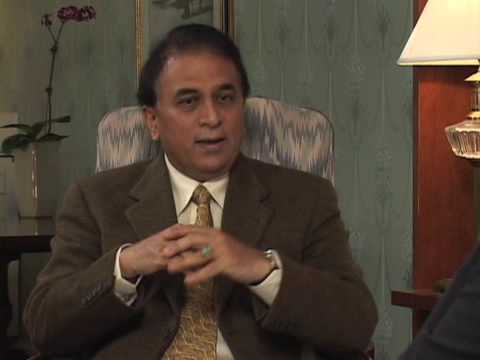
Jon M. Huntsman on Ethical Leadership
Ask about Knowledge at Wharton
Episode Description
Jon M. Huntsman, founder and chairman of Huntsman Corporation, a $13 billion chemicals company, spoke with Knowledge@Wharton about the challenges of leading in an ethical manner. Knowledge@Wharton is the online research and business analysis journal of the Wharton School of the University of Pennsylvania. http://knowledge.wharton.upenn.edu
Owner: Knowledge@Wharton
Brief Summary
Jon M. Huntsman discusses ethics, leadership, and defining success in business.
Key points
- Ethics in Global Business. Jon Huntsman discusses the challenges of maintaining ethical standards across different countries.
- Redefining Success. Huntsman shares his perspective on success beyond monetary value.
Episode highlights
- Ethics in Global BusinessJon Huntsman discusses the challenges of maintaining ethical standards across different countries.“I refused to get involved in bribery.”2:09Oct 10, 2013
- Redefining SuccessHuntsman shares his perspective on success beyond monetary value.“Success cannot be defined by money.”12:00Oct 10, 2013
Transcript
the following knowledge at worden podcast is brought to you by Vanguard offering investments designed to help individuals and institutions reach their financial goals visit Vanguard comm additional support for this podcast comes from warden executive education for more information on warden's executive course essentials of management please visit executive education warden UPenn dot edu from the wharton economic summit in philadelphia i'd like to welcome mr. Jon M Huntsman founder and chairman of the Huntsman corporation one of the largest petrochemical and plastic companies in the world thank you for joining us mr. Huntsman thank you
ethics and moral codes of conduct are somewhat different around the world and you've done a lot of business around the world with all kinds of different different folks and some would argue that there are different standards in some cases things might be ethical in one country but not in another what are the the traits that you see across the board that that are consistent in terms of ethics well the only important and critical and standard trait is is that found in an individual who travels between these various areas where there may be conflicts in ethical behavior that is to say that of course situations will be different in some countries in Asia and in some countries in Eastern
Europe in some countries in South America even in North America but individuals who are responsible for their business must maintain the same standard standards of ethics and same criteria for honesty and integrity irrespective of what the country may believe in or their government may be based upon and that's very difficult because that means in certain cases you have to choose whether you want to invest in that country or not and I've had to pull the plug on a country which I loved we had two major manufacturing sites there but I would I refuse to get involved in bribery and people in that country all believed that if you were to be
successful you had to give a certain amount of your your income to the leaders of that country I refused to do it I sold our plants and moved out of there since that event happened that new government has come in and have said please mr. Huntsman bring your plants back to this country we know why you left and that will never happen to you again the word also spread to other countries that have some sense of corruption within their government don't deal with a Huntsman organization in a corrupt manner they won't buy it they'll pull the plug they'll move out they'll take any investments with them you'll lose jobs and the word traveled ahead of us
so we've never had another problem with that one of the most important jobs of a leader is to bring about change and transformation and I wonder if you could speak a little bit about how do leaders bring that about and also how do they involve their employees and motivate their employees to buy into the process of change let me talk first about about change it is very important for a leader to surround himself or herself with people who are more effective in many ways than they are for instance I don't wear a wristwatch as you can see I don't know how to do email I don't know in a computer I've thrown six cellphones away
in the last year because I can't stand them I'm a man who really is it should be relegated back to the 40s or the 50s as far as technology but we run a very high technology oriented company because I've surrounded myself with people who are so much better equipped than I am to deal with the technological advances the research and and and development in in those areas we we have senior officers and in fact our CEO is very attuned to this he happens to be our son but the people around me including my personal assistants all our people much better qualified than I am in that area my main job as a CEO as a chairman now and it was as a CEO was to put my arms
around people and commend them and thank them and build them up and lift their spirits but as far as any one individual being a master of many of the areas of involvement that just isn't the way business was run businesses run first and foremost by lifting the spirit of the corporation lifting the morale of the company spending a lot of your time out in the plants and out in the sites and out on the assembly lines getting to know families individual employees we call them associates and their families so that they know that I'm always supporting them and if I support them then they support they support me but when it comes to the technological advances and things of that kind I give
way to those around me and and just remain silent and and and thank other people for the wonderful talents that they bring to her to our business this is sort of related to what you were just talking about in today's internet world where everything is 24/7 coverage there's talk radio there's talk TV as a leader you have to make decisions that are often in the public domain and they're being scrutinized how difficult is that is that a D view that as an opportunity or a challenge in terms of making leadership decisions because everything is so public well you're going to be criticized here but one is going to be criticized irrespective of the of the decisions they make but but
you know life is a series of decisions to make no decision is a decision and so you know we were we were private business for 35 years now we're a public business our sales last year were about 13 billion dollars annually and all you can do in making decisions is gather as much information as possible surround yourself with the best possible people gather all the facts that you you can you can gather and then make a decision and move and and not look back and I found that you have a pretty high batting average if you use good judgment you do what you think is right you're not swayed by other people's personal agendas and you do what's in
the interest not of yourself but of the corporation and and the maximum number of people within the corporation and I'd love to make decisions I you know some people kind of falter away from it but I think that decision making is is is a very unique art and it's one that for me at least in my life has brought a lot of has brought many blessings into our family and into my own personal lives and I'll think outside the box a lot of the times many of the many many decisions that we make people think well well that isn't the standard type of procedure why are you doing that and I said well because I think it will help more people I think it will broaden our base I think more
people might be educated if we go this route rather than this route and so you know I I don't fear decisions at all I think the key thing is to gather the facts surround yourself with good people and make a decision and never look back over your shoulder oh it's the biggest leadership challenge you have faced and how did you overcome it the the most significant leadership challenge for me has been to surround myself with competent and dedicated people and not believe that I know all of the answers and listen to them very carefully and respect their education and their experience in their background and we're in a business that operates in 55 countries throughout the world we make
12,000 different products I couldn't make one of those products myself I I've never taken a chemistry course in my life but we're one of the largest chemical companies in the world thank goodness for people who can give you advice and suggestions and so I think the most important decision in business assuming that the financial basis is is is solid because obviously without a solid financial basis any organization has is going to begin to crumble it really boils down to the people around you and listening to them and giving them credit and putting your arm around them and thanking them and recognizing that that they're as critical a part of the team
as you are and and and recognizing them for their talents and abilities most people think of leaders as being at the very top of the organizational chart that they're they're charismatic they're on the front cover of the the business publications but there's that layer beneath of leaders how do you how do you at your your company train and groom those leaders at that sort of mid-level range and and how important do you think that is in terms of building a strong company well the mid-level people will be tomorrow's senior level people and it's always been very important for them to be part of a decision-making process
to be called in to be recognized and and and to be listened to and and it's very very important to people on their way up through an organization that they feel they're making a contribution that there are superiors that their senior officers are are listening that they understand what they what they're saying that they have a role of participation in in a decision-making process and then if the decision-making Abraham Lincoln made a great statement once when he said the decision-making level should should be at the lowest possible level in the organization something to that effect I may have my words a little bit wrong but
and so I've always believed that unless something involved a global decision I shouldn't make that decision it should be made at one or two or three levels below me it should be made at that level that affects that number of people and that particular product at that particular stage and then it's my job to support that decision to drop a little handwritten note since I don't do computers and I don't do email I I do literally hundreds a week of little handwritten notes to people and I think I'm the last species on earth that does that because you know people love to see that you've taken the time to drop them a note and and particularly if they're in mid management because they know that
their decision has reached somebody at the top and that they're recognized for that there you know that they that they that they're important to that organization they're part of it and I think that's why our morale has always been very very high as it you know I love our people I love them all the way up and down the organization and and it doesn't matter what level they serve it's it's a matter that you know if you love people and you trust people and you go with what they recommend that they're gonna be very careful in what they recommend because they aren't going to want to hurt you they're not gonna want to disappoint you people like a leader who tosses the ball back to them and
gives them praise and recognition and and and you know a little extra pay raise in the process as well that always helps along the line second gossip it's how do you define success how do you define success I think n word happiness success can never be defined by money because there's never enough money to satisfy some people success cannot be I don't believe defined by a position or a political appointment I think it has to be what's in someone's heart and the feeling that you have about yourself and my father was a rural school teacher and he considered himself to be a great success in life because he taught students in junior high in high school
and he would see the finished product and many of them would go to college and I think when he passed away in life he thought he had been a great success because he had helped students in a rural high school move on to get a higher education and achieve something in life so I think if we if we could only just have the type of human heart and human outlook that we say to ourselves what I'm doing is it makes me happy I'm good at what I'm doing I'm prepared I'm educated in what I what I am achieving and I'm a success because of that and and and that's why we have to recognize the other person we have to respect them and we have to understand that not everybody is going to be a
chairman or president not everybody wants to do that very few people in today's world wants to want to do that but it's fun to see people you can sit in their face you can sit in their eyes you can understand people who feel good about themselves and to me there are the great success stories of life thank you very much for speaking with us for more information please visit our website at knowledge Wharton dot u Penn dot edu