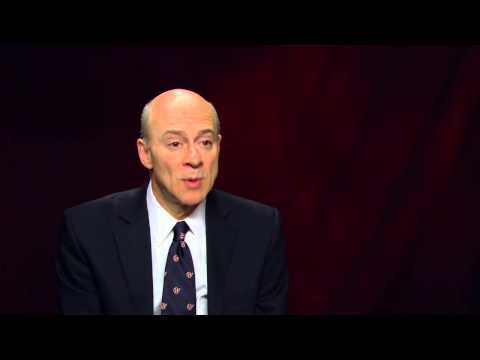
Jeremy Siegel on Politicians, Prices and a Potential 'Buying
Ask about Knowledge at Wharton
Episode Description
What lies ahead for the U.S. and world economies? What is the right strategy for investors in this environment? Knowledge@Wharton discussed these questions and more with finance professor Jeremy Siegel, author of The Future for Investors.
Brief Summary
Professor Siegel discusses the 2008 presidential race's economic implications and investment strategies amid rising inflation and market volatility.
Key points
- US Presidential Race Update. The race heats up as McCain secures the Republican nomination while Clinton and Obama battle for the Democrats.
- Economic Concerns. The economy shows signs of slowdown with rising consumer prices and fears of stagflation.
- Inflation Worries. Experts discuss inflationary threats and the potential impact on the economy.
- Investor Strategies. Advice for investors as the market faces potential downturns and long-term opportunities.
Episode highlights
- US Presidential Race UpdateThe race heats up as McCain secures the Republican nomination while Clinton and Obama battle for the Democrats.“The Republicans have a confirmed nominee in John McCain.”0:18Mar 5, 2008
- Economic ConcernsThe economy shows signs of slowdown with rising consumer prices and fears of stagflation.“Signs of a slowdown are evident everywhere.”0:40Mar 5, 2008
- Inflation WorriesExperts discuss inflationary threats and the potential impact on the economy.“I worry about the International Community losing faith in Bernanke's anti-inflation credentials.”5:01Mar 5, 2008
- Investor StrategiesAdvice for investors as the market faces potential downturns and long-term opportunities.“I think it could be the buying opportunity of the decade for investors.”14:32Mar 5, 2008
Episode quotes
Transcript
[Music] this podcast is brought to you by knowledge at Warton please visit knowledge. won. up.edu for more information the US presidential race has reached a critical point the Republicans have a confirmed nominee in John McCain as for the Democrats Hillary Clinton has bounced back while Barack Obama retains a marginal lead in terms of delegates how the presidential race evolves will be sh shaped in part by the increasingly worrisome state of the US economy though it has not yet gone through two consecutive quarters of negative growth the common definition of a recession
signs of a Slowdown are evident everywhere meanwhile consumer prices are rising oil is crossed $13 a barrel and gold is nudging $1,000 an ounce suggesting that the economy could be entering a phase of 1970 style stagflation fed chairman Ben banki however told Congress last week that he doesn't anticipate stagflation and he continues to indicate his willingness to keep cutting interest rates what lies ahead for the US and World economy and stock markets what is the right strategy for investors in this environment knowled of Wharton discussed these questions and more with Finance Professor Jeremy seagull author of the future for investors Professor seagull
thanks very much for joining us today happy to be here given all that's going on in the primary elections what do you think uh a president uh Clinton or Obama or or McCain would mean for uh the US economy right uh well certainly had some exciting uh primaries uh last night Hillary came back and uh you know could be a factor uh if Democrats beat themselves up that might improve the chances of the Republicans a bit um a lot of people talk about what kind of policies and um uh I I think that uh whoever is uh president or whatever party that uh the question of tax is going to necessarily come up first and the reason for this is under current law uh all the Bush tax cuts will expire in
2011 um and uh that means that if nothing's done we go back to the Clinton uh way of of of Taxation which is a major uh factor and of course what is also very important is the fact that no matter whether McCain or a Democrat wins uh as long as Congress remains democratic and that is considered over uh uh 90% now on the odds makers uh uh they will draft the legislation and uh even if McCain uh vetos that says and I don't want these rates to increase it will automatically go up anyway so they're going to be wrestling about taxes a First Health Care which everyone talks about probably will have to take uh you know second fiddle to that anything about homeowners I think that's
going to be done during this year the last last year the Bush Administration although all the presidential candidates are are really talking about that issue now I think that uh really any legislation that might come out of it will come out of it this year but I think the first priority really is going to be uh taxes and uh uh the the battle will be uh fought on that front Okay many have been saying that we're entering this period of 1970s style stagflation do you agree with that assessment no not not at all uh uh 1970s uh we got inflation up to 14% uh interest rates up to uh uh uh almost 20% I mean these uh we are certainly moving to slightly higher
inflation rates but nothing like the 1970s so we want to call it a tiny little touch of stagflation I I I would tend to agree with that because we have a soft economy with some Rising prices but we have to realize we're not going to be in that situation there I mean I I look for inflation you know topping out at most uh maybe five five and a half and that's with oil uh prices there uh on the core rate of inflation I think we won't go above 3% on that okay uh fed chairman Ben banki has indicated that he's willing to keep on cutting interest rates do you agree with that that t well you know I I've been a big fan of of Bernan uh through his two years uh I am I I'm a little bit
disturbed recently because I don't think he is acknowledging the inflationary threats now I just said I don't think inflation is going to get as bad as the 1970s but but and I and I agree there but we have had a tremendous rise in kamay prices we've had a tremendous fall in the dollar imported costs are going up uh there's even a possibility of revaluation of Chinese currency as as a result of this so raise import prices I think uh I I I worry about the International Community losing faith in bernanke's anti-inflation credentials and um that is not good so I I I think uh we're we're going to get a
50 basis point reduction in rates on March 18th the next fomc meeting but I would like him to say at that point we're signaling an end of the cuts to see how much they're going to work because otherwise an open-ended Cuts all going down I think could uh revive inflationary expectations and just make it harder for Bernan uh down the road uh to stabilize the economy you mentioned the rising commodity prices what impact will those have on the US and World Markets well I I you know the uh if the dollar continues to sink downward and that of course is is partly the confidence uh in beran's policy that will raise these imported prices particularly for energy uh uh and Al all
sorts of other materials I'm I'm particularly concerned uh that that China may do a a revaluation of the Yuan because their inflation because they've pegged their currency or or sliding their currency slowly against the dollar has has reached a nine-year high there's pressure in China to to to revalue to lower uh prices and that would just jump up prices of everything we import from China uh so the the falling dollar does have uh potentially uh inflationary consequences uh here in the US although it will you know it will improve our trade balance uh on uh when we take all the positives and negatives uh we don't want the dollar to keep on going down that will not be good and how does the
falling dollar affect uh sort of the European business Market well I mean that makes it a little harder for the Europeans to compete because the the US manufacturers now become more competitive and they are a little bit comp uh complaining now the Euro has gone over a150 uh you know can we compete the interesting thing is that Europe has been able to compete even with a strong Euro on average their trade balance is is pretty uh near balance why ours is still very much uh in deficit although improving um uh the world out there is very very competitive a falling dollar does help our competitiveness but I think the downside of higher import prices uh is something
very seriously to be considered okay well meanwhile the manufacturing um sector seems to be contracting what does this mean for the economy in general well the manufacturing sector has been contracting for uh 30 years now we've lost uh 50 to 55% of manufacturing jobs over the last three decades so this is something that is continuing uh it is happening in all the developed countries of the world uh you know as well as the United States uh and it's irreversible it has to do with the patterns of global trade and wages and if it isn't China it's going to be India if it's not India it's going to be Indonesia it's going to
be Vietnam and then maybe even Africa so so uh we have to learn how to be a service economy we have to learn about uh using intellectual capital and and and using our our strengths and and and and and that is not going to be except for some specialty items which we will manufacture require High technical expertise in general manufacturing uh jobs will will continue to be lost okay well the the employment report should be out this Friday yeah that's a very very important report report uh we just got uh this morning something called the ADP report automatic data processing report which gives you a little preview and that showed a loss of jobs um the
expectation of Wall Street is for a gain of maybe 20,000 that's very low but we did have a surprise loss last month um with the it could very well be a loss this is an important one if we're going to have a recession uh you got to have a loss of payroll jobs and by the way 20,000 30,000 is usually not enough to bring a recession you need 100 to 200,000 you need it for several months we haven't had that yet we are still skirting the recession just just barely at this particular uh juncture um but I would the employment report coming out on Friday is very important uh I also look at jobless claims which come out every Thursday they have been ratcheting upward again not quite into recession
levels but close to recession levels um uh you know you know we going to have a recession as people know I I think we're going to skirt it but just barely but we're certainly having a Slowdown um whether it's technically a recession or not uh you know is is perhaps secondary what about the threat of prolonged inflation is that is that well that is you know that is a a threat if we have a continually falling dollar and commodity prices um uh and continue to rise I mean I have been concerned that despite the tremendous slowdown in the US economy which is usually uh coupled with a Slowdown of commodity prices we have not seen it now it is true that Emerging
Markets have still been strong Europe has been slow down not a lot but nonetheless the fact that oil and all these commodity prices are so strong in face of declining economy is is even more evidence that the fed and Bernan must uh you know take that into cognizance we're going to have fiscal stimulus uh with the uh uh the rebates starting at the end of the second quarter and end of the third quarter this is going to boost spending um uh you know that is another boost to commodity prices if we if we don't get some sign that the FED is going to stop keep on lowering rates I'm afraid that will move into inflationary expectations and the FED even the FED claims we don't
want inflationary expectations to get out of hand that's one of the hardest things to solve in the economy so you know we're not going back to the stagflation of the 70s that was mist Stakes that were made way worse than anything that we face today but the fact that we have to nip inflation in the bud we can not let those inflationary expectations get anchored I think that that's a top priority of uh of the banki FED okay well um banki also spoke yesterday about um providing relief to homeowners who are facing just uh foreclosure uh do you agree with his approach of having Banks write down loans well I I I I prefer we're already
seeing all sorts of accommodations um I I rather the private Market do it I mean if if if the government or the FED wants to provide a few blueprints that might be suggested that's fine but we're getting the service uh mortgage service industry move in and and making deals everyone has a a particular thing some are the interest rates some might be forgiveness of of of a certain amount of principle remember a lot of these mortgages are selling in the open market at 50 cents on the dollar so uh you know if we if you if if a bank could actually say 10 or 20% we'll forgive and they actually then get the uh the the loan they're going to be making a huge profit on this
so in a way the incentive is there for them to do it I don't think we need legislation I don't think we need governmental action I think the private sector can handle this and is beginning to handle this now okay uh you've written in the past that when the US and Europe are in trouble emerging economies such as China and India uh could come to the rescue do you think that's the case well I think they're much you know the US is not the only engine of the economy it's an important engine of the world economy but it's not the only engine of the world economy um you know we're we're we're about 20% of world GDP at
the present time that that's going to be shrinking and that's much less than it was 30 years ago when we were onethird of world uh GDP so you in in essence uh um uh you know used to be said us sneezes and the rest of the world uh you know has a cold I don't think that happens anymore that being said um if there is a significant slowdown in the US and a recession it's almost impossible that India and China will not be affected by that I mean there's just too many Goods that are being sent over here but will this necessarily trigger you know a worldwide recession no not necessarily there's a huge middle classes certainly in India and even in in in China and the truth of the matter
is that because China is providing a lot of goods uh that that if if income goes down those cheaper China goods are going to be in demand so my feeling is is you know China might go from uh 8 to 10% growth down to 4 to 5% growth uh but but no recession as we Define it here in in the United States so given all that's going on what do you think investors should be doing well in right now now um uh my feeling short run uh I I've I've turned cautious on the stock market um I think there could be some more downward adjustment until Bernan uh makes a stand and and the International Community begins to see we are going to be
fighting in inflation um we could see short run another five or even 10% decline in in the market I consider that maximum 10% downside risk if we should have that I think it could be the buying opportunity of the decade for investors because longterm I'm bullish and long-term I think valuations are still are very attractive short term still going to be a little rocky I think until the inflation uh situation gets clarified um but long term I think it it's very very strong so anyone who has their stock position longterm they're going to be fine if you have a little cash you might be deciding to put some of that to work re uh in the next couple weeks as stock prices decline you might
be getting uh some some very good bargain well thank you very much for speaking with us today thank you Steve for more information please visit knowledge. Warton do.edu [Music]