Business Opportunities and Risks in Africa Part 2 of 2
Ask about Knowledge at Wharton
Episode Description
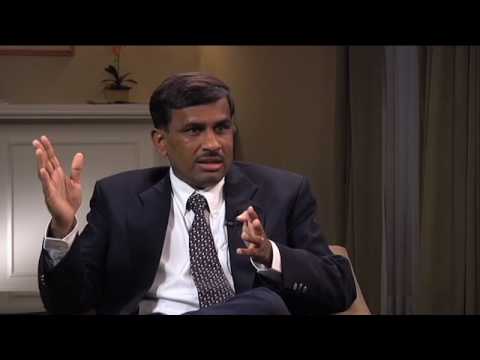
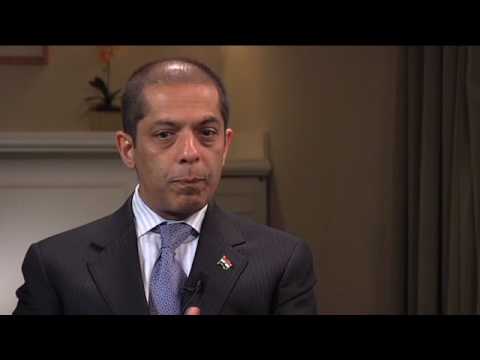
Africa today contributes barely 1.5% to world trade, but its future is brighter than that number might suggest. The continent has a growing middle class, institutions that are investing heavily in infrastructure, and in another decade, it will emerge as a market of 1 billion consumers. Elkanah Odembo, Kenya's Ambassador to the U.S., visited Wharton recently and spoke with Knowledge@Wharton about the potential rewards and risks of investing in Africa.
Brief Summary
Kenya's Vision 2030 aims to transform the economy, enhance governance, and attract international investment.
Key points
- Vision 2030: Kenya's Strategic Plan. Kenya aims to become a middle-income country by 2030 through strategic planning and private sector involvement.
- Mobile Money Revolution. The introduction of mobile money in Kenya has transformed financial transactions and boosted economic growth.
- Long-term Investment in Africa. Investing in Africa requires a long-term commitment for sustainable returns and growth.
Episode highlights
- Vision 2030: Kenya's Strategic PlanKenya aims to become a middle-income country by 2030 through strategic planning and private sector involvement.“The private sector will be the engine of growth.”1:34Nov 24, 2010
- Mobile Money RevolutionThe introduction of mobile money in Kenya has transformed financial transactions and boosted economic growth.“The ability to transfer money by telephone may contribute more to national development than any other investment.”13:55Nov 24, 2010
- Long-term Investment in AfricaInvesting in Africa requires a long-term commitment for sustainable returns and growth.“If you want a place where your investment will bring good returns, this is it.”16:41Nov 24, 2010
Transcript
[Music] turning now to Kenya uh what is Vision 2030 and what opportunities does it offer International investors thank you uh Vision 20 30 is Kenya's plan and strategy our goal of making the country a middle inome country by the year 2030 which we have uh only 20 more years to go this is a plan that we developed the last 3 4 years uh we have traditionally planned in fiveyear Cycles uh which is sort of corresponds with uh each government is in place for about 5 years for five years uh um and and it occurred to us that this isn't making sense uh that if we are going to get out of the sort of levels of poverty that that
we're in we need to project a little bit beyond just 5 years um and so it was a national strategic thinking and a national strategic planning process that we embarked on it involved stakeholders across the board government non-governmental private sector was very very Central in the development of it because our government has made this commitment that the private sector will be the engine of growth we also appreciate the fact that if there's going to be a movement from the poverty uh stage that we are in to becoming a middle- inome country uh wealth will have to be created employment will have to be created the economy will have to
grow and therefore the private sector has a very very key role to play so they were very Central in this visioning as we called it um and the strategic thinking and planning process uh you know was stretched over a period of about a year and a half so the document that we call Vision 2030 is Kenyans visioning uh and imagining what uh a developed Kenya a middle-income Kenya would look like and within that particular uh Vision we have very clearly identified a number of pillars for getting us to become a middle- inome country there's a very strong economic pillar and that economic pillar again the private sector very Central uh they developed a good part of it uh in
partnership with uh a number of uh foreign experts as well um and it is about how to position the economy and managing the macroeconomic uh issues and and aspects of the economy uh getting the economy to grow at at least 10% and consistently of of a period of time what is it that we need to do with the economy uh and so the private sector very Central and key in the economic pillar and and that's a very important one and then we have a social pillar that looks at all the social aspects uh related to food production food security Healthcare and education and uh shelter water and sanitation very very important for us uh infrastructure development all a part of
it and then there's the politic IAL pillar the political pillar is is equally important because again you asked the question earlier about what are these risks uh that uh investors fear uh when it comes to investing uh in the continent uh and the fact is that uh political instability has cost us a lot the last 50 years of Independence the level and the extent of political instability that we've seen in the continent is to a large extent very politically motivated uh so that's now being managed uh in the case of Kenya uh we have just recently acquired gotten ourselves a new constitution the fourth on the 4th of uh August uh we had
a referendum the 27th we promulgated the new constitution uh and and the Constitution then provides for us a framework for governance and and so within that political column political pillar governance was a big one so within that we're looking at issues of corruption for example so again talk about uh variables that are not conducive and supportive of good uh business and and and investment corruption has been a big one and you know we can't run away from that um we have now with this constitution put in place certain structures uh and institutions that will enable a completely overhauled Judiciary
for example over the next 12 months the judici in Kenya is going to be a new one um because we appreciate the fact that the some of the problem with regard to prosecution for example um and and do uh processes in the courts and the Judiciary uh as a result of not very accountable and not very effective uh Judiciary so that's being cleaned up so is it your expectation that now that you have the new constitution in Kenya uh that it will help to increase business and Financial transparency because this is a matter of tremendous concern uh to International investors that there should be business transparency
absolutely um the the first group of people in Kenya to react to the promulgation of the new constitution was actually the business Community uh and that says something they came out uh and congratulated Kenyans for for having uh uh achieved this uh very historical uh um this major historical achievement uh and they spoke about why they felt that this was very important uh and and they reiterated the fact that there have been too many things in the environment that have made businesses uncomfortable and investors uh uncomfortable and a big part of it has to do with this unpredictability this the level of
corruption uh now with the new Constitution there's even a chapter on leadership and integrity what we expect of our leaders um the new structures and institutions have been created that enable the private sector even at this point there is a round table between Business Leaders and the Prime Minister the prime minister's office so regular contacts between the government and the private sector so that the concerns of business are on a regular basis and continuously being communicated to the government that wasn't the case in many African countries uh you know the government did what governments do and the private sector was busy uh doing what they're doing uh producing goods
and and services uh that has now Chang so the linkage between the private sector and the government and the engagement between the two what our constitution has done is that again in addition to the fact that the private sector also participated in it because they wanted to see in this Constitution all those factors that contribute towards an enabling environment for what they need to do in order to to to do their businesses and do their businesses in a sustainable manner uh they've made sure that there are these infrastructures and structures and institutions to allow this for example with our vision 2030 there is a national uh committee a national
economic and social committee uh and this committee is uh at the highest level it has ministers in it and it has all some of the key industry and private sector leaders who also see on it so this is the oversight body that is monitoring and and and and ensuring that uh our efforts towards this Vision 2030 and becoming middle- inome country stays on track uh and so a lot of business people uh have a certain level their level of comfort with what the government is doing and the kind of environment that has been created has increased quite significantly their doors are now open so private sector people do not longer
feel uh like adversaries because they had been tensions before between you know the private sector and the government um and I and I'm seeing that happening in a number of African countries as well uh as leadership changes you're even having a situation where you have leaders heads of state heads of government who themselves have a business background and therefore appreciate the role of the business community and will do therefore what is needed and necessary in order to provide that enabling environment for the business Community you know you were referring earlier to the the social pillar uh and and one of the things in that as in that regard that has been
that has sort of caught the imagination of a number of people is a number of micro finance and social Enterprise programs uh to to what degree do you see these coming up in Kenya and have you seen any acceptable impact on poverty uh as a result of social entrepreneurship and micro absolutely absolutely micro micro Enterprise and micro credit programs on the continent they're beginning to mushroom everywhere uh but in Kenya we have certainly seen the impact that that has for for the longest time as you know um a lot of businesses and financial institutions shied away from what they perceived as the poor the unbankable uh because that it was
perceived that there wasn't too much business to do with that group and and because that is such a large group a large proportion of the continent um the this phenomenon that we call now micro finance and and micro Enterprise is really a thing that was started very interestingly in the nonprofit sector the NGO sector is the one that quickly appreciated that uh the very poor people people that they were working with also needed to have access to credit and so the first microc credit uh institutions if if the one that's best known is the gramine bank model even that started uh as a nonprofit organization by a nonprofit organization um with the
appreciation that we need to get money and credit into the hands of the poor and that the poor when they have access to this credit are able to do some incredible things in order to improve their lot and I think the commercial Banks and all sorts of other micr Finance institutions have come in subsequently such that you now have a fairly significant micro Finance uh microenterprise sector that's growing so rapidly um and and so we need to to make sure that we again maintain the focus on making sure that we're looking at the poor and and enabling them it's not just about credit because what NOS are able to do very well that traditional commercial Banks were not able to do is
to invest also in building the capacity of the people it's one thing to give to make credit available it's another thing to make sure that this credit is going to be applied properly that people have good business plans good projections and that they actually are making money um so I think the prospects are tremendous uh we need to see more I don't think we can get enough micr Finance and microenterprise programs on the continent I think the continent must go in that direction because I believe it is the way that we will be able to grow the economy growing the economy from the bottom uh in this regard I have uh read that uh Africa and in fact Kenya are at the Forefront of
using mobile telephones in the area of uh Mobile Banking yes uh could could you tell me what impact has that had on these social programs and that's very interesting how do you where do you see this trend going that's a part of uh again opening up the continent opening up the economy liberalizing the economy um just 10 years ago uh only some 300,000 or so Kenyans had access to a telephone when we liberalized the communication sector and opened it up to the point where we now have some four five uh mobile telephone companies uh within a period of 10 years we've gone from 300 ,000 Kenyans having access to a telephone to now close to 20 million having access uh and the Innovations
within that sub sector are incredible that is where one of the leading the leading uh mobile uh services provider uh safaricom uh has actually innovated a money transfer uh system uh using the mobile telephone what that has done some Studies have been done at the in in uh The Institute for development studies at the University of Nairobi not conclusive at this point yet but what they are saying is that the ability to the facility that the Safari comp provides to Kenyans to transfer money by telephone may very well have contributed more to National development than any other investment that the government has made since Independence
just disability to be able to transfer money from the people who have the money into the hands of people who would not you have to realize that that most of this rural poor population were people who of course didn't have banking so sending money from point A to pointb was such a chore money would get lost money you know all sorts of things would happen and those are disincentives for people who wanted children who work in towns who need to send remit money back to support their parents and their siblings and so forth but now with 20 million handsets in the hands of Kenyans a significant number of these people being young people middle class uh people who now have access to
some disposable income the ability to put money in the hands taking money out of the urban setting and urban centers into the rural and the peripheries of the country and putting that money in the hands of the poor is changing the economies in in the traditionally poor uh rural setups and and uh the sky the limit the banks have come in later as a result of what uh this uh telephone company was able to do the banks then started asking questions about oh my God you know money is being transferred from point A to point B they are transferring more money than anybody than all the banks put together using a mobile telephone and so they quickly realized that rather than
try to compete and and and uh put all sorts of OB uh obstacles in the way of these money transfers using telephones they said let's join them and see if we can find uh opportunities for Partnerships so what we are seeing now is some of the large commercial banks are going into Partnerships with mobile telephone companies uh to now start doing all these other Innovative things so that people can now Bank using their telephones people can withdraw money using their telephones and so forth and so on uh again the limit uh the sky is the limit when it comes to these Innovations and uh um again young people 30 years of age uh all of them well educated trained they're the ones who
are doing uh bringing about all these uh Innovations that's that's a remarkable story and thank you for sharing that with us uh what just one last question uh if you had a chance to address see a room full of CEOs International CE CEOs of Fortune 500 companies and tell them why they should invest in Africa and why they should invest in Kenya What are some of the reasons that you would give them I think the number one reason would be that if you want a place where your investment will one bring you good returns and will bring you good returns in a sustainable manner over a long period of time and you're willing to wait you do not want to make
a quick dollar or a quick Euro and and jump out and repatriate uh the profits if you're in it for the long haul and if you are in the business with the mindset that you want to make a profit obviously as a business as a foreign investor but you also want to support the development of the continent then your time frame must also be long-term is yeah so none of that in and out quickly uh you might make your money but you might not do much for but if you want to be in it for the long haul and you want to do it in a sustainable Manner and you
want a loyal partner and a loyal customer base um then the continent is the place to go again because of the riches and the Commodities that we have available this growing middle class that we have this infrastructure that we are investing in that will make it possible for you being in one African country to do business in a whole range of countries if you come to Nairobi Now talking about Kenya why Kenya an investment in Kenya is an investment in the entire continent within 4 hours of Nairobi you can fly to 24 capitals uh on the continent uh that ought to be an incentive for any business person again looking at the
size of the market uh within the next it's predicted five 10 years at the most we will have a population of a billion uh and if that isn't Market enough then I don't know what is so um I think I think uh all the sort of ingredients uh are in place for for Africa to be the the place where an investor a serious uh investor uh should be uh Ambassador ODU thank you so much for speaking to us thank you thank you very much my pleasure thank you very much