Life After Homeschool
Does Homeschooling Prepare You for the Real World?
College culture shock, first jobs, small talk. Alumni on the show describe what the transition out of homeschooling was actually like.
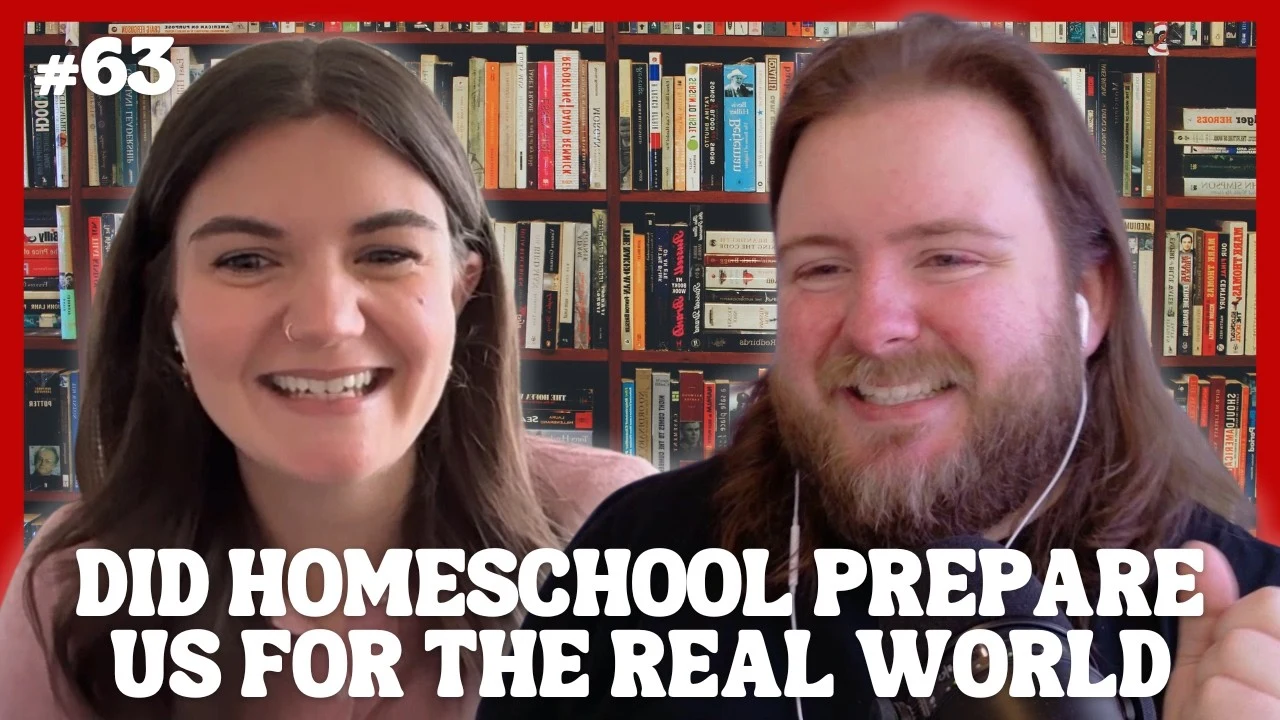
Does homeschooling prepare you for the real world? Ask the alumni on this show and the honest answer is: some of them, for some of it. Self-directed learning made college coursework feel familiar to several guests. The unwritten rules of classrooms, workplaces, and dating were the part nobody had rehearsed.
Key points
- Guests consistently credit homeschooling with independence and self-directed study habits.
- The harder transition was social: reading a room, group work, small talk, knowing when to ask for help.
- Curriculum mattered. Guests raised on isolating workbook systems describe a steeper climb than those in active co-ops.
- The best adult-outcome data available, the Cardus Education Survey, finds homeschool graduates civically engaged, while researchers agree the evidence base is still thin.[1]
The college jump
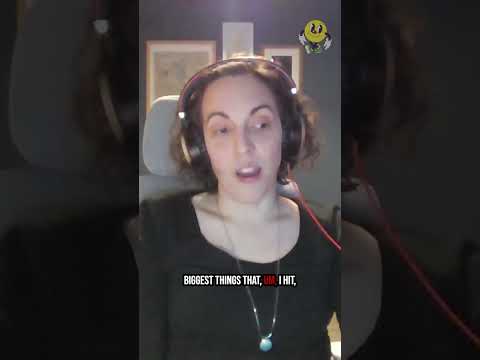
Jaycie was homeschooled K through 12 in Texas and Missouri on the ACE curriculum, a self-directed workbook system (she describes it here). As a kid she role-played public school in her bedroom; in college she hit real culture shock and depression before finding her footing. Her episode is one of the most complete pictures of the transition the show has aired.
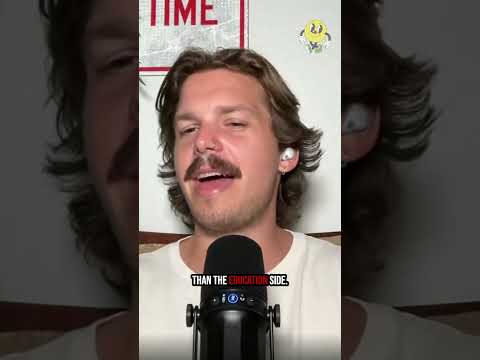
Dr. Jonah Stewart, who went from an unconventional homeschool childhood to a PhD in education research, told me the thing they missed most was invisible: all the support structures inside American society that schooled kids learn to use without thinking (that conversation is here).
What alumni say they missed
The recurring answers across episodes are specific. Deadlines set by someone who is not your mom. Being one of thirty instead of one of three. Disagreeing with an authority figure and surviving it. Makeila, a pastor's kid I sat down with for Did Homeschooling Prepare Us To Be Adults?, described the pressure of growing up as the example family, then having to build an adult identity outside it. Another guest put a name on the adjustment skill itself: code-switching.
What the data says about homeschool graduates
The Cardus Education Survey is the most rigorous look at how homeschool graduates actually turn out as adults. Run on nationally representative samples of 24-to-39-year-olds in 2011, 2014, 2018, and 2023, it finds homeschool graduates giving to charity at high rates and volunteering more hours than their public school peers.[1] The Coalition for Responsible Home Education's review of the survey credits its rigor while noting the caveats that come with any sector comparison.[2]
On the childhood side, Richard Medlin's review of the socialization research found homeschooled kids developing social skills on par with schooled peers when families provided real social access.[3] What no dataset yet captures well is the transition itself, the messy first years out, which is exactly the gap the stories on this show fill.[4]
What actually helped
Nobody on the show credits a single fix. The transitions that went smoothly had on-ramps: a part-time job in the teens, community college classes before a four-year school, a co-op or team where the guest was regularly around people they did not choose. The transitions that went badly usually started from isolation. With homeschooling still growing fast nationwide, a lot more kids will make this jump in the next decade.[5]
Watch the episode: What Happens When Homeschool Kids Finally Enter the Real World?
Related reading: do homeschoolers lack social skills?, or browse all the news and stories.
Sources
- Cardus, The Cardus Education Survey
- Coalition for Responsible Home Education, The Cardus Education Survey (analysis)
- Richard G. Medlin, Homeschooling and the Question of Socialization Revisited, Peabody Journal of Education (2013)
- Coalition for Responsible Home Education, Research Resources
- Johns Hopkins Institute for Education Policy, Homeschool Growth 2024-2025